Navigating the world of online clothing can feel like a treasure hunt, but instead of gold, you’re searching for the perfect fit. How to Choose the Right Size When Shopping for Clothes Online will help you transform this potentially frustrating experience into a confident and successful one. We’ll equip you with the knowledge to conquer size charts, master measurements, and decode the secrets of online shopping, ensuring you find clothes that not only look great but also feel fantastic.
This guide goes beyond the basics, offering practical advice on everything from understanding international size variations to leveraging customer reviews and size recommendation tools. Whether you’re a seasoned online shopper or just starting out, this resource will empower you to make informed decisions and minimize the hassle of returns and exchanges. Get ready to say goodbye to ill-fitting clothes and hello to a wardrobe that fits you perfectly!
Understanding Size Charts
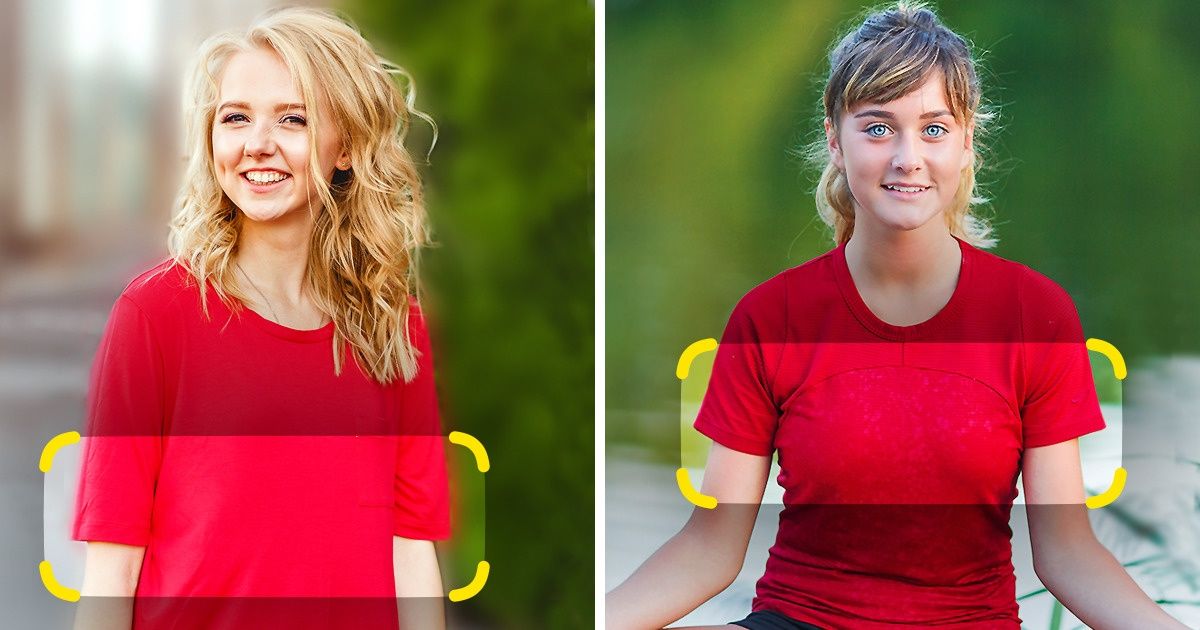
Size charts are your best friend when shopping for clothes online. They translate your body measurements into the sizes offered by a specific brand. Since sizing can vary significantly between different retailers, understanding and using these charts is crucial to avoid the frustration of ill-fitting clothes and the hassle of returns. Taking the time to consult a size chart before adding items to your cart can save you a lot of time and effort.
Importance of Size Charts
Online retailers provide size charts because clothing sizes are not standardized across the industry. A size medium in one brand might be equivalent to a size large in another. This inconsistency is due to variations in manufacturing, design, and target customer demographics. Using the size chart specific to the item you are purchasing ensures that you are selecting the size that best matches your body measurements, increasing your chances of a good fit.
This also helps reduce the environmental impact of returns, as well as saving you time and money.
Interpreting Size Chart Formats
Size charts come in a few common formats. Knowing how to interpret these formats is key to using them effectively.
- Numerical Charts: These charts use numbers to indicate size, such as 2, 4, 6, 8, etc. These are common for pants, skirts, and dresses. The chart typically lists measurements for the bust, waist, and hips.
For example:
Size 6: Bust 35 inches, Waist 27 inches, Hips 37 inches.
- Letter-Based Charts: These use letters like S (small), M (medium), L (large), XL (extra large), etc. These are often used for tops, t-shirts, and casual wear. The chart will usually provide a range of measurements for each letter size.
For example:
Size M: Bust 36-38 inches, Waist 28-30 inches.
- Combination Charts: Some charts combine numerical and letter sizing, particularly for jeans and pants. These may list a numerical waist size alongside a lettered inseam length (e.g., 32W/30L).
For example:
32W/30L: Waist 32 inches, Inseam 30 inches.
- Measurement-Specific Charts: Certain charts are highly detailed, providing measurements for various areas of the body. They might include measurements for the shoulder width, sleeve length, and other details, particularly for tailored clothing.
For example:
A dress shirt size chart might specify neck circumference, sleeve length, and chest measurement.
Comparative Overview of Size Charts from Various Brands
Here’s a comparison of how size charts might differ across popular clothing brands. Note that these are example measurements and may vary slightly depending on the specific garment. This table highlights the importance of checking the size chart for
each* brand.
| Brand | Size S (Bust) | Size M (Waist) | Size L (Hips) |
|---|---|---|---|
| Brand A | 34-36 inches | 26-28 inches | 37-39 inches |
| Brand B | 35-37 inches | 27-29 inches | 38-40 inches |
| Brand C | 36-38 inches | 28-30 inches | 39-41 inches |
| Brand D | 33-35 inches | 25-27 inches | 36-38 inches |
The table demonstrates that even within a similar sizing structure (S, M, L), the actual measurements can differ. Brand C’s “Size S” might be equivalent to Brand A’s “Size M”. This emphasizes the need to check the specific size chart for
every* brand you shop with.
Taking Accurate Measurements
Accurate body measurements are the cornerstone of successful online clothing shopping. Knowing your measurements ensures you select the correct size, minimizing the chances of returns and maximizing your satisfaction. This section will guide you through the essential measurements and how to take them correctly.
Essential Body Measurements
Before you start shopping, gather your measurements. These measurements are the most frequently requested by online retailers. They provide the necessary data to match your body to the clothing size charts.
- Bust: This measurement determines the fit of tops, dresses, and jackets around your chest.
- Waist: Crucial for pants, skirts, and dresses, the waist measurement helps determine the garment’s fit at your natural waistline.
- Hips: Essential for pants, skirts, and dresses, the hip measurement ensures the garment fits comfortably around your widest point.
- Inseam: This measurement is vital for pants and jeans, determining the length from your crotch to your ankle.
Measuring Techniques
Proper measuring techniques are essential for accurate results. Use a flexible measuring tape and stand straight with relaxed posture. Consider wearing minimal clothing for the most precise measurements.
- Bust Measurement: Wrap the measuring tape around the fullest part of your bust, keeping the tape level across your back. Ensure the tape is snug but not constricting. Breathe normally while measuring.
- Waist Measurement: Find your natural waist, which is usually the narrowest part of your torso, often located a few inches above your belly button. Wrap the measuring tape around your waist, keeping it parallel to the floor. Don’t pull the tape too tight.
- Hip Measurement: Stand with your feet together and measure around the fullest part of your hips and buttocks. The tape should be parallel to the floor.
- Inseam Measurement: Measure from your crotch down to your ankle bone along the inside of your leg. You can use a pair of well-fitting pants to help determine the inseam by measuring the inside seam from the crotch to the hem.
Tools and Considerations
Use the right tools and be mindful of potential variations to ensure accuracy.
- Measuring Tape: A flexible measuring tape is a must-have tool. Ensure the tape is not stretched or damaged.
- Mirror: A full-length mirror can help you ensure the tape is level and in the correct position.
- Assistance: If possible, ask a friend or family member to help you take your measurements. This can provide more accuracy, especially for bust and back measurements.
- Clothing Fit: Consider the type of clothing you’ll be buying. For example, if you plan to purchase a fitted top, take your measurements while wearing a thin bra. For looser styles, you might not need to adjust.
- Variations: Measurements can fluctuate slightly throughout the day. Take your measurements at a consistent time of day for the most reliable results.
Visual Guide to Measurement Points
This guide illustrates where to measure on your body. The descriptions below correlate to the key measurement points.
Imagine a person standing in profile. This is a side view of a body.
Bust Measurement: The measuring tape is wrapped horizontally around the fullest part of the bust, passing across the nipples. The tape forms a straight line across the back.
Waist Measurement: The measuring tape is wrapped horizontally around the natural waist, the narrowest part of the torso. This is generally located a few inches above the belly button.
Hip Measurement: The measuring tape is wrapped horizontally around the fullest part of the hips and buttocks, ensuring the tape is parallel to the floor.
Inseam Measurement: The measuring tape runs vertically from the crotch down to the ankle bone, along the inside of the leg. This measurement determines the length of pants.
Now imagine a person standing facing the viewer. This is a front view of a body.
Bust Measurement: The measuring tape is wrapped horizontally around the fullest part of the bust, across the nipples, ensuring it’s level.
Waist Measurement: The measuring tape is wrapped horizontally around the natural waist, the narrowest part of the torso, generally located a few inches above the belly button.
Hip Measurement: The measuring tape is wrapped horizontally around the fullest part of the hips and buttocks.
Inseam Measurement: The inseam is measured along the inside of the leg from the crotch to the ankle bone.
This visual guide helps to understand the exact points where measurements are taken.
Considering Clothing Types and Styles
Understanding how different clothing types, styles, and fabrics affect fit is crucial for successful online shopping. This knowledge helps you navigate size charts and make informed decisions, ensuring your clothes fit well and flatter your figure. Let’s delve into the specifics.
Clothing Type Influence on Sizing
Different clothing categories inherently have different sizing characteristics. Knowing these differences can significantly improve your accuracy when selecting sizes online.
- Dresses: Dress sizing can vary widely, particularly in the bust, waist, and hip areas. Consider the dress style. A-line dresses often offer more forgiving fits than bodycon dresses.
- Jeans: Jeans sizing often involves waist and inseam measurements. Different brands may use different sizing conventions, so checking the brand’s specific size chart is vital. Consider whether the jeans are designed with stretch or are rigid denim, which affects how they fit.
- Shirts/Tops: Shirt sizing often considers bust and shoulder measurements. Styles like fitted shirts will require more precise measurements than looser-fitting blouses.
- Skirts: Skirt sizing generally focuses on waist and hip measurements. The skirt’s cut (e.g., pencil, A-line) impacts the fit.
- Outerwear: Outerwear, such as jackets and coats, typically accounts for layering. Consider the amount of clothing you will wear underneath when choosing a size.
Style Impact on Size Selection
Clothing styles dramatically influence how a garment fits. Being aware of these style-specific nuances is key.
- Bodycon: Bodycon (body-conscious) styles are designed to be form-fitting. You may need to size up to achieve a comfortable fit, especially if you prefer a less clingy look.
- Oversized: Oversized garments are intentionally loose. You might size down for a more standard fit or stick to your usual size for a very relaxed look. Consider the intended silhouette of the garment.
- Wrap Dresses: Wrap dresses often offer flexibility in sizing, as the adjustable closure allows for some fit variance.
- High-Waisted: High-waisted styles require accurate waist measurements. Ensure your measurements align with the brand’s size chart for the best fit.
- Peplum: Peplum styles can be tricky. Consider your hip measurements, as the peplum detail often sits at the hips.
Fabric Type’s Influence on Fit
The fabric of a garment significantly influences its fit and how it drapes on the body.
- Stretchy Fabrics (e.g., Spandex, Lycra blends): These fabrics offer more flexibility and can accommodate a wider range of body shapes. You might be able to size down slightly.
- Woven Fabrics (e.g., Cotton, Linen): Woven fabrics typically have less give than knit fabrics. Accurate measurements are crucial.
- Knit Fabrics (e.g., Jersey, Knit blends): Knit fabrics often have some stretch and drape well. They can be more forgiving than woven fabrics.
- Heavy Fabrics (e.g., Denim, Wool): Heavier fabrics often have a more structured fit and can feel less forgiving than lighter fabrics. Consider this when choosing your size.
Choosing Sizes for Different Body Shapes and Silhouettes
Matching your body shape to the right clothing silhouette can enhance your overall look. Consider these tips.
- Hourglass Figure: Look for styles that accentuate the waist, such as wrap dresses, fitted tops, and A-line skirts.
- Pear-Shaped Figure: Choose styles that balance the hips and shoulders. A-line skirts, tops with details at the shoulders, and well-fitting jeans are good choices.
- Apple-Shaped Figure: Opt for styles that skim the midsection, such as A-line dresses, tops with empire waists, and straight-leg pants.
- Athletic Figure: Choose styles that add shape and curves, such as peplum tops, fitted dresses, and garments with strategic seaming.
- Petite Figure: Look for clothing designed specifically for petites, which often features shorter lengths and scaled-down proportions.
- Tall Figure: Choose clothing with longer inseams, sleeves, and torso lengths to ensure a proper fit.
Reading Customer Reviews and Feedback

Customer reviews are an invaluable resource when shopping for clothes online, offering insights that size charts and measurements alone cannot provide. They provide a real-world perspective on how clothing fits different body types and how the sizing compares to what’s advertised. Reading these reviews can significantly reduce the risk of ordering the wrong size and save you time and the hassle of returns.
Value of Customer Reviews
Customer reviews offer firsthand accounts of the fit, quality, and accuracy of sizing for specific garments. These reviews are often more informative than the brand’s size chart because they consider variations in manufacturing and real-world experiences.
Filtering Reviews for Size-Related Comments
To effectively use customer reviews, focus on finding those that specifically address size and fit. Most online retailers allow you to filter reviews based on s or ratings.
- Search: Look for terms like “true to size,” “runs small,” “runs large,” “fits well,” or specific measurements like “waist,” “hips,” or “length.”
- Rating Filters: Use the star rating system to prioritize reviews that are highly positive or negative. Focus on the reviews that provide detailed size-related information, even if the overall rating is mixed.
- Review Sorting: Sort reviews by “most recent” or “most helpful” to see the most relevant and up-to-date information.
Considering Body Type and Height in Reviews
When reading reviews, pay close attention to the reviewer’s body type, height, and any specific measurements they provide. This allows you to compare their experience to your own body shape and anticipate how the garment might fit you. For example, if a reviewer with a similar height and body type as you mentions that a dress is too short, you can reasonably assume it might be too short for you as well.
- Body Type: Look for reviewers who mention their body shape (e.g., pear-shaped, hourglass, athletic) to see if the garment fits similarly.
- Height: Height is crucial for assessing the length of garments like dresses, pants, and skirts. Reviews from people of similar heights are particularly helpful.
- Measurements: If reviewers include their bust, waist, and hip measurements, you can compare them to your own and gauge how the garment might fit in those areas.
Helpful Customer Review Example
Here is an example of a helpful customer review:
“I’m 5’4″, 135 lbs, with a 36″ bust and 28″ waist. I ordered the size medium in this dress, and it fits perfectly. The length hits just below my knees, and the waist is snug but comfortable. The fabric has a bit of stretch, which helps with the fit. I would say it runs true to size. If you’re between sizes, I’d recommend sizing up.”
Understanding Different Size Systems
Choosing the right size when shopping online becomes even more complex when you consider that sizing isn’t universal. Different countries and regions use their own sizing systems, which can lead to confusion if you’re not familiar with them. Understanding these systems and how to convert between them is crucial for a successful online shopping experience.
Comparing and Contrasting Sizing Systems
The world of clothing sizes is a diverse landscape, with each region employing its unique approach. Let’s delve into some of the most common systems: US, UK, EU, and Japan.
The US sizing system often uses a numerical system for women’s clothing (e.g., 2, 4, 6) and a combination of numbers and letters for men’s (e.g., 30×32 for pants, S, M, L for shirts). The UK system mirrors the US system to a large extent, particularly for women’s clothing, but can sometimes have slight variations. European sizes, however, are quite different, typically using a numerical system that’s generally larger than the US and UK sizes.
For example, a US size 6 might correspond to a European size 38. Japanese sizes, influenced by both US and European standards, often use a combination of numbers and letters or specific numerical values.
Converting Sizes Between International Systems
Converting sizes can seem daunting, but it’s a manageable process with the right information. Most online retailers provide size charts that show the corresponding sizes across different systems. Here’s a general guide to help you:
For women’s clothing, the conversion is usually straightforward. For instance, a US size 6 is generally equivalent to a UK size 10 and a European size 38. For men’s clothing, the conversion for shirts often involves comparing chest measurements. Pant sizes require comparing waist and inseam measurements. Remember that these are general guidelines, and the best way to ensure an accurate fit is to consult the retailer’s specific size chart.
Important Formula: To estimate the European size from a US size for women, add 30. (e.g., US size 6 + 30 = EU size 36)
Impact of Vanity Sizing
Vanity sizing is a practice where clothing manufacturers label garments with smaller sizes than their actual measurements, making consumers feel better about their size. This can lead to significant discrepancies between the size on the label and the actual fit of the garment.
The impact of vanity sizing can be frustrating. A size 8 in one brand might fit like a size 6 in another, or even a size 10. This makes it crucial to rely on measurements rather than solely on the size label. Always check the retailer’s size chart and compare your measurements to their sizing guidelines, regardless of the size you typically wear.
Reading customer reviews can also provide insights into how a particular brand’s sizing runs – whether it tends to run large, small, or true to size.
Common Sizing Abbreviations and Meanings
Understanding sizing abbreviations can simplify your online shopping experience. Here’s a list of common abbreviations and their meanings:
- XS: Extra Small
- S: Small
- M: Medium
- L: Large
- XL: Extra Large
- XXL: Double Extra Large
- Waist (W): Waist measurement (used for pants and skirts)
- Inseam (L): Inseam measurement (used for pants)
- Bust: Bust measurement (used for tops and dresses)
- Hips: Hip measurement (used for pants, skirts, and dresses)
Utilizing Size Guides and Tools
Online retailers understand that finding the right fit is crucial for customer satisfaction and reducing returns. They provide various tools and resources to assist shoppers in making informed decisions. This section will explore the use of size guides and recommendation tools, offering practical advice and examples to enhance your online shopping experience.
Purpose and Benefits of Size Recommendation Tools
Size recommendation tools are designed to simplify the process of selecting the correct clothing size. These tools leverage customer data, product information, and sometimes even body measurements to provide personalized size suggestions.
- Improved Accuracy: By analyzing data from previous purchases and customer feedback, these tools can often provide more accurate size recommendations than relying solely on a standard size chart.
- Reduced Returns: By suggesting the right size, size recommendation tools help minimize the likelihood of needing to return an item due to poor fit. This benefits both the customer and the retailer.
- Convenience: These tools streamline the sizing process, saving shoppers time and effort compared to manually comparing measurements or guessing their size.
- Personalized Recommendations: Some tools consider individual body types, style preferences, and even the specific fit of a particular garment to offer more tailored size suggestions.
Using Size Guides to Find the Perfect Fit
Size guides typically consist of charts that correlate body measurements with specific sizes. They are often found on product pages, and understanding how to use them is essential.
- Locate the Size Guide: Look for a link labeled “Size Guide,” “Size Chart,” or a similar phrase near the size selection options on the product page.
- Measure Yourself Accurately: Before consulting the guide, take your measurements following the instructions provided in the “Taking Accurate Measurements” section.
- Compare Measurements to the Chart: Match your measurements (bust, waist, hips, inseam, etc.) to the corresponding sizes in the chart. Some charts also include measurements for shoulders, sleeves, and other relevant areas.
- Consider the Fit: Pay attention to the fit descriptions provided. “Slim fit” garments will require different measurements than “relaxed fit” or “oversized” styles.
- Read Customer Reviews: Check customer reviews for comments on sizing. Often, customers will mention whether a garment runs small, large, or true to size. This additional insight can be invaluable.
For example, if a size guide shows that a medium dress has a bust measurement of 36-38 inches, and your bust measurement is 37 inches, a medium would likely be the correct size.
Accuracy of Size Recommendation Tools
While size recommendation tools offer significant benefits, their accuracy can vary. Several factors influence their effectiveness.
- Data Quality: The accuracy of the tool depends heavily on the quality and quantity of data used to train it. Retailers with extensive customer purchase data and feedback tend to have more accurate tools.
- Algorithm Sophistication: The complexity of the algorithm used to analyze the data impacts the tool’s ability to provide precise recommendations. More advanced algorithms may consider a wider range of factors.
- Product Variability: The fit of clothing can vary even within the same brand, depending on the fabric, style, and construction. The tool may be more accurate for some garments than others.
- User Input: The accuracy also relies on the user providing correct measurements and relevant information, such as their preferred fit style.
Many retailers now use machine learning algorithms that improve their accuracy over time as they collect more data. However, it’s important to treat the recommendations as a guide and always consider other factors, such as customer reviews and the specific garment’s style.
Hypothetical Size Guide
A well-designed size guide should be clear, comprehensive, and easy to use. Consider the following hypothetical size guide for women’s tops:
| Size | Bust (inches) | Waist (inches) | Sleeve Length (inches) | Example Garment |
|---|---|---|---|---|
| XS | 30-32 | 23-25 | 30 | Fitted T-shirt |
| S | 32-34 | 25-27 | 31 | Classic Blouse |
| M | 34-36 | 27-29 | 32 | Relaxed Fit Sweater |
| L | 36-38 | 29-31 | 33 | Oversized Top |
| XL | 38-40 | 31-33 | 34 | Tunic Top |
This size guide also might include additional sections:
- Measuring Tips: Clear instructions on how to measure bust, waist, and sleeve length.
- Fit Guide: Explanations of different fit types (e.g., slim, regular, relaxed, oversized) and how they affect the measurements.
- International Conversion Chart: For customers shopping from different countries, a table showing the equivalent sizes in various sizing systems (e.g., US, UK, EU, AU).
- Fabric Considerations: Information on how the fabric type (e.g., stretchy, woven) might affect the fit.
A well-structured size guide provides a solid foundation for making informed size decisions.
Dealing with Returns and Exchanges
Navigating online clothing purchases often involves the possibility of needing to return or exchange an item due to sizing discrepancies. Understanding the return and exchange processes is crucial for a smooth and satisfactory shopping experience. This section provides a comprehensive guide to help you handle returns and exchanges effectively, minimizing potential frustrations.
Understanding Return Policies
Online retailers have varying return policies, so it is important to be aware of them before making a purchase. These policies generally Artikel the conditions under which returns are accepted, the timeframe for initiating a return, and the options available for receiving a refund or exchange.Here are key aspects of return policies to consider:
- Return Timeframe: Most retailers specify a timeframe, such as 30 or 60 days from the delivery date, within which you must initiate a return. Check the policy to avoid missing the deadline.
- Return Shipping Costs: Some retailers offer free returns, while others require you to pay for return shipping. The policy should clearly state who is responsible for these costs.
- Condition of Returned Items: Typically, items must be returned in their original condition, unworn, unwashed, and with all tags attached. Read the policy carefully, as some retailers may have stricter requirements.
- Refund Methods: Retailers often provide refunds to the original payment method, but may also offer store credit. Review the policy to understand the refund options.
- Exchange Options: Many retailers allow exchanges for a different size or color of the same item. The policy will explain how to initiate an exchange.
- Exceptions: Some items, like undergarments or personalized items, may not be eligible for return. Always check for any specific exclusions.
Initiating a Return or Exchange
Initiating a return or exchange due to incorrect sizing usually involves a few straightforward steps. Familiarizing yourself with the process beforehand can save time and effort.Here’s a general guide on how to proceed:
- Review the Return Policy: Before starting, confirm the retailer’s return policy details. Make sure you meet the eligibility criteria.
- Contact Customer Service: Most retailers provide a customer service contact method, such as a phone number, email address, or online chat. Reach out to them to initiate the return or exchange process.
- Provide Order Information: Be prepared to provide your order number, the item you wish to return or exchange, and the reason for the return (e.g., incorrect size).
- Follow Instructions: Customer service will provide instructions on how to return the item, which may include generating a return shipping label.
- Package the Item: Carefully package the item, ideally in its original packaging, and attach the return label.
- Ship the Item: Ship the package back to the retailer using the provided shipping method. Keep the tracking information for your records.
- Await Confirmation: Once the retailer receives the returned item, they will process the refund or exchange. You will typically receive a confirmation email.
Minimizing Returns and Exchanges
While returns and exchanges are part of online shopping, taking proactive steps can significantly reduce the likelihood of needing them. Being prepared can also improve your experience.Here are strategies to minimize the need for returns:
- Accurate Measurements: Take your measurements accurately using a flexible measuring tape. Measure your bust, waist, hips, and inseam, following the retailer’s specific instructions.
- Consult Size Charts: Always refer to the retailer’s size chart for the specific item you are purchasing. Size charts vary between brands, so don’t rely on your usual size.
- Read Customer Reviews: Customer reviews often provide valuable insights into sizing. Look for comments about how the item fits, whether it runs large or small, and if the sizing is accurate.
- Consider Clothing Type and Style: Different clothing types and styles fit differently. A fitted dress will have a different sizing approach than a loose-fitting top.
- Compare Measurements to Existing Clothes: If you have a garment that fits you well, measure it and compare those measurements to the retailer’s size chart.
- When in Doubt, Size Up: If you are between sizes or unsure, consider ordering the larger size. It’s generally easier to alter a garment that is slightly too large than one that is too small.
Common Mistakes to Avoid When Choosing Sizes Online
Making common mistakes when selecting sizes online can lead to unnecessary returns and frustration. Being aware of these pitfalls can help you shop more successfully.Here’s a list of common mistakes to avoid:
- Not Measuring Yourself: Failing to take accurate measurements is a primary cause of sizing errors.
- Relying Solely on Your Usual Size: Sizes vary significantly between brands, so don’t assume your usual size will fit.
- Ignoring the Size Chart: Skipping the size chart leads to guessing and potential sizing issues.
- Not Reading Customer Reviews: Overlooking customer reviews deprives you of valuable insights into the item’s fit.
- Not Considering the Garment’s Style: Failing to account for the garment’s style (e.g., fitted vs. loose) can result in an incorrect size choice.
- Not Comparing Measurements to Existing Clothes: Not comparing the retailer’s size chart to your existing clothing increases the risk of an incorrect fit.
- Purchasing Without Checking the Return Policy: Ignoring the return policy can lead to disappointment if you need to return an item.
Adapting to Variations in Brands
Understanding that clothing sizes are not standardized across all brands is crucial for successful online shopping. Sizing can vary significantly, leading to frustration if you’re expecting a size 10 to fit the same way in every store. This section will explore the reasons behind these variations and provide strategies for navigating them.
Why Sizing Varies Between Brands
Several factors contribute to the inconsistencies in clothing sizes. These include the brand’s target demographic, its design philosophy, and the manufacturing processes it uses.* Target Demographic: Brands often tailor their sizing to appeal to a specific customer base. For instance, a brand targeting a younger, slimmer demographic might use smaller measurements for each size compared to a brand aimed at a more mature or curvier clientele.
Design Philosophy
The cut and style of a garment can greatly influence how it fits. A brand known for its tailored, structured clothing might size its garments differently from a brand specializing in relaxed, oversized styles.
Manufacturing Processes
Variations in manufacturing, such as fabric shrinkage or different grading techniques (the process of scaling a pattern up or down for different sizes), can also impact sizing.
Vanity Sizing
This is a common practice where brands intentionally label garments with smaller sizes than their actual measurements to make customers feel better about their purchase. This leads to a “size inflation” effect, where a size 10 from one brand might be equivalent to a size 8 from another.
Brands Known for Consistent Sizing
While inconsistencies are common, some brands are generally known for their more reliable sizing. This can make online shopping easier, as you’re more likely to find that your usual size will fit.* Examples: Brands with a reputation for consistent sizing often include those that focus on classic styles and established measurement standards. While consistency can vary across their product lines, some examples include:
Lands’ End
Known for its classic, preppy styles and generally true-to-size garments.
L.L.Bean
Similar to Lands’ End, L.L.Bean offers reliable sizing, particularly in its core apparel lines.
Uniqlo
While some items may run a bit large, Uniqlo generally offers consistent sizing across its basic items. However, sizing can vary more for collaborations or trendier pieces.
Everlane
Everlane is praised for its transparent sizing and generally consistent fits.
Gap
Gap typically provides fairly consistent sizing across its various lines.
Comparing Sizing: A Popular Brand vs. Competitors
Let’s compare the sizing of a hypothetical popular brand, “StyleCo,” with some of its competitors. This example will use general size charts for illustrative purposes. Actual measurements can vary slightly depending on the specific garment.
This table illustrates how measurements might differ between “StyleCo” and its competitors for a standard size medium (M) in women’s tops. Remember that these are illustrative examples and may not reflect the actual measurements of specific garments.
| Brand | Bust (inches) | Waist (inches) | Hip (inches) | Notes |
|---|---|---|---|---|
| StyleCo | 36-38 | 28-30 | 38-40 | Offers a range of trendy and classic styles. |
| Competitor A (e.g., a brand with a more relaxed fit) | 38-40 | 30-32 | 40-42 | Known for its oversized silhouettes. |
| Competitor B (e.g., a brand with a more fitted style) | 34-36 | 26-28 | 36-38 | Specializes in tailored and structured garments. |
| Competitor C (e.g., a brand with vanity sizing) | 36-38 | 26-28 | 36-38 | May use smaller size labels. |
As the table shows, a “medium” from StyleCo may correspond to different measurements in other brands. Competitor A might offer a more generous fit, while Competitor B’s medium might be more snug. Competitor C may use vanity sizing. This emphasizes the importance of checking size charts for each brand.
Handling Sizing Inconsistencies
Navigating sizing variations requires a proactive approach. Here’s how to handle inconsistencies effectively:* Always Check the Size Chart: This is the most crucial step. Always consult the brand’s specific size chart for the item you’re considering. Do not rely on your usual size alone.
Read Customer Reviews
Pay close attention to reviews that mention sizing. Customers often share whether an item runs small, large, or true to size. Look for comments that compare the sizing to other brands you know.
Measure Yourself Regularly
Keep your measurements up-to-date. Measure your bust, waist, and hips before each purchase to ensure you’re selecting the best size.
Consider Fabric and Style
Understand how the fabric and style of the garment might influence the fit. For example, a knit top might stretch more than a woven blouse.
Order Multiple Sizes (When Possible)
If you’re unsure, and the retailer offers free returns, consider ordering two sizes to compare.
Utilize Fit Guides
Many online retailers provide fit guides or tools that help you determine the correct size based on your measurements and the brand’s sizing.
Don’t Be Afraid to Return or Exchange
Familiarize yourself with the retailer’s return and exchange policy. If the item doesn’t fit, don’t hesitate to return it.
Understand the Return Policy
Check the return policy before purchasing, especially the return shipping costs. Some retailers offer free returns, while others require you to pay for return shipping. Knowing the return policy beforehand will help you make an informed decision.
Summary
In conclusion, mastering the art of choosing the right size online is a journey of understanding and application. From deciphering size charts to embracing customer feedback and navigating international systems, the key is to be informed and proactive. By implementing the strategies Artikeld in this guide, you’ll not only minimize returns but also build a wardrobe that reflects your personal style and fits you like a dream.
Embrace the online shopping experience with confidence, and enjoy the thrill of finding the perfect fit, every time!