Embark on a journey to transform your relationship with food and your finances with How to Meal Plan to Drastically Cut Your Food Budget. This guide is designed to help you take control of your grocery bills and discover the power of smart meal planning.
Learn how to track spending, set realistic goals, and master techniques like smart shopping, efficient cooking, and minimizing waste. This guide will provide you with the knowledge and tools to create delicious, budget-friendly meals while reducing food waste and saving money.
Understanding Your Current Food Spending
To effectively cut your food budget, the first crucial step is to understand where your money is currently going. This involves meticulously tracking all your food-related expenses for a set period, typically one month. This detailed analysis will reveal your spending habits and pinpoint areas for potential savings.
Tracking All Food Expenses for One Month
Tracking all food expenses requires diligence and consistency. Every dollar spent on food, regardless of how small, must be recorded. This includes groceries, dining out, takeout, coffee, snacks, and any other food-related purchases.To track your food expenses effectively, consider these points:
- Keep Receipts: Save all receipts. These are essential for accurate tracking.
- Record Immediately: Note down each expense as soon as it happens. Waiting can lead to forgotten purchases.
- Use a Dedicated Method: Choose a method that suits you – a budgeting app, a spreadsheet, or a notebook. The key is consistency.
- Include Everything: Don’t forget seemingly insignificant purchases like a candy bar or a pack of gum. They add up!
Categorizing Food Spending
Categorizing your food spending helps you analyze where your money is going. This detailed breakdown makes it easier to identify areas where you can cut back.Here’s a sample categorization system:
- Groceries: Food purchased from supermarkets, grocery stores, and farmers’ markets for home cooking.
- Restaurants: Meals eaten at dine-in restaurants.
- Takeout/Delivery: Food ordered for pickup or delivery.
- Coffee Shops: Coffee, tea, and snacks purchased from coffee shops.
- Snacks & Convenience Stores: Snacks, drinks, and convenience items purchased from gas stations, vending machines, or convenience stores.
- Alcohol: Alcoholic beverages purchased at restaurants, bars, or stores.
This system provides a clear picture of your spending habits. You can customize the categories to fit your specific needs. For example, you might add categories like “Work Lunches” or “Special Occasions” to gain a more granular understanding.
Using Budgeting Apps and Spreadsheets
Budgeting apps and spreadsheets simplify the process of tracking and analyzing your food expenses. These tools offer various features to help you stay organized and informed.Here’s how to effectively use budgeting apps and spreadsheets:
- Choose the Right Tool: Several budgeting apps, such as Mint, YNAB (You Need a Budget), and Personal Capital, automatically track transactions when linked to your bank accounts. Spreadsheets, like Google Sheets or Microsoft Excel, offer more flexibility for customization.
- Input Data Regularly: Whether using an app or a spreadsheet, enter your expenses daily or weekly. This prevents data backlog and ensures accuracy.
- Categorize Transactions: Assign each expense to the appropriate category. This is crucial for analysis.
- Review and Analyze: Regularly review your spending reports to identify patterns and areas for improvement. Most apps provide visual charts and graphs to help with this.
Budgeting apps often provide real-time insights, while spreadsheets allow for greater customization. The choice depends on your preferences and needs.
Identifying Spending Hotspots
After tracking and categorizing your food expenses, you can identify the areas where you spend the most money. This is critical for targeting your efforts to reduce your food budget.To identify your spending hotspots:
- Analyze Category Totals: Review the total spending for each category. Identify the categories with the highest expenses.
- Look for Trends: Are you spending a lot on takeout on weekends? Do you frequent coffee shops every morning? Identify the habits driving your spending.
- Compare to Goals (If Applicable): If you have existing budget goals, compare your spending to those targets. Are you overspending in certain areas?
- Example: Suppose your analysis reveals you spend $400 on groceries, $300 on restaurants, $200 on takeout, and $100 on coffee shops in a month. Restaurants and takeout are significant spending hotspots.
By understanding where your money goes, you can make informed decisions about where to cut back. This could involve cooking more meals at home, reducing restaurant visits, or cutting back on expensive coffee shop purchases.
Setting Realistic Food Budget Goals
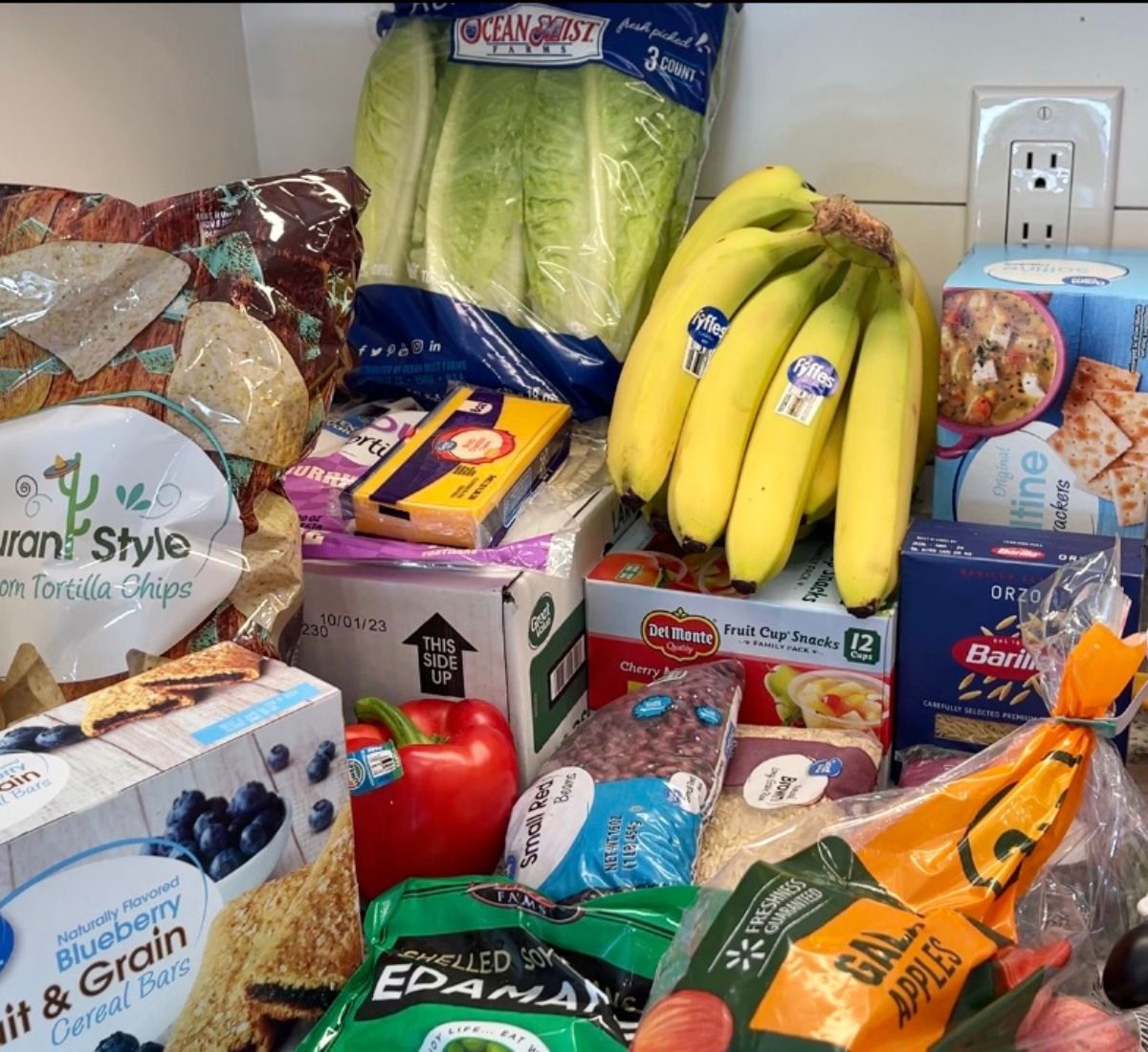
Now that you understand your current food spending, it’s time to set some goals. This involves creating a realistic food budget that aligns with your income, lifestyle, and dietary needs. A well-defined budget provides a framework for making informed decisions and ultimately, saving money on groceries.
Determining a Reasonable Food Budget
The foundation of a successful food budget is determining a reasonable amount to spend. Several factors influence this, and considering them carefully will lead to a budget that’s both effective and sustainable.Consider these factors:
- Income: Your income is the primary driver of your budget. A general guideline is to allocate a percentage of your income to food. The USDA (United States Department of Agriculture) provides guidelines suggesting that lower-income households typically spend a larger percentage of their income on food.
- Family Size: The number of people you’re feeding directly impacts your food costs. Larger families naturally require more food, leading to a higher budget.
- Dietary Needs and Preferences: Specific dietary requirements, such as allergies, intolerances (e.g., gluten-free), or preferences (e.g., vegan), can influence your budget. These often involve purchasing specialized ingredients or products that may be more expensive.
- Eating Habits: The frequency of eating out, purchasing prepared foods, or relying on convenience items significantly affects food costs. Cooking at home more often is generally a more cost-effective approach.
- Geographic Location: Food prices can vary depending on your location. Areas with higher costs of living typically have higher grocery prices.
To calculate a starting point for your food budget, consider the following:
Food Budget = (Your Monthly Income) x (Percentage Allocation)
The percentage allocation will vary based on the factors mentioned above. For example, a single person with a moderate income might allocate 10-15% of their income to food, while a family of four with a lower income might allocate 20-25%.
Budget Tier Examples and Spending Ranges
Understanding different budget tiers can provide a clearer picture of how much to spend. These are illustrative examples and may vary based on location and specific circumstances.Here are examples of budget tiers:
- Budget-Conscious: This tier prioritizes cost-effectiveness. It focuses on maximizing value and minimizing waste.
- Spending Range: Typically, $150-$300 per person per month.
- Characteristics: Primarily cooking at home, utilizing sales and coupons, buying in bulk when cost-effective, minimizing processed foods, and focusing on staples like beans, rice, and seasonal produce.
- Moderate: This tier balances cost with convenience and variety.
- Spending Range: Typically, $300-$500 per person per month.
- Characteristics: Cooking at home most of the time, incorporating some convenience items, occasional dining out, and purchasing a wider variety of foods, including some organic or specialty items.
- Generous: This tier prioritizes convenience, quality, and variety, with less emphasis on strict cost control.
- Spending Range: $500+ per person per month.
- Characteristics: Frequent dining out, purchasing premium ingredients, a wide variety of food choices, including organic and specialty items, and less focus on sales and coupons.
These spending ranges are estimates and can be adjusted based on individual circumstances. For example, a family with specific dietary needs might need to increase their budget to accommodate those requirements.
Adjusting the Budget for Unexpected Expenses and Changes
Life is unpredictable, and your food budget should be flexible enough to accommodate unexpected expenses or changes in your eating habits.Here’s how to adjust your budget:
- Unexpected Expenses:
- Identify the Source: Determine what caused the overspending. Was it a special occasion, a sudden price increase, or an impulse purchase?
- Cut Back Elsewhere: Temporarily reduce spending in other areas of your food budget. For example, you might eat more leftovers, reduce dining out, or switch to cheaper brands.
- Review and Adjust: After the unexpected expense, review your budget and make necessary adjustments. Consider increasing your overall food budget slightly to create a buffer for future unexpected costs.
- Changes in Eating Habits:
- Track Changes: Monitor your spending to identify any shifts in your eating habits. Have you started eating out more frequently? Are you buying more expensive ingredients?
- Re-evaluate Goals: Adjust your budget goals to reflect these changes. If you’re eating out more, allocate more funds to that category. If you’re eating healthier, factor in the cost of fresh produce or specialty items.
- Make Adjustments: Make corresponding adjustments in your budget. You may need to reduce spending in other areas to accommodate the changes.
Regularly reviewing your budget helps to stay on track and to adapt to any changes.
Regular Review and Adjustment Plan
Regularly reviewing and adjusting your food budget is essential to ensure its effectiveness. This process allows you to identify areas for improvement and adapt to changing circumstances.Here’s a plan for regular review and adjustment:
- Monthly Review:
- Track Spending: At the end of each month, compare your actual spending to your budgeted amounts. Use a budgeting app, spreadsheet, or notebook to track your expenses.
- Identify Variances: Determine where you overspent or underspent. Analyze the reasons behind any significant variances.
- Make Adjustments: Based on your analysis, make necessary adjustments to your budget for the following month.
- Quarterly Review:
- Assess Progress: Review your spending trends over the past three months. Are you meeting your overall goals?
- Evaluate Effectiveness: Evaluate the effectiveness of your budgeting strategies. Are you utilizing sales and coupons effectively? Are you cooking at home regularly?
- Make Major Adjustments: Make more significant adjustments to your budget if needed. This might involve revising your spending ranges or changing your budgeting strategies.
- Annual Review:
- Re-evaluate Goals: Re-evaluate your long-term financial goals and adjust your food budget accordingly.
- Consider Changes: Consider any significant changes in your life, such as a change in income, family size, or dietary needs.
- Revise Budget: Make any necessary revisions to your budget to reflect these changes.
By consistently reviewing and adjusting your food budget, you can maintain control over your spending, adapt to changing circumstances, and achieve your financial goals.
Meal Planning Fundamentals
Meal planning is a cornerstone of a successful food budget. It transforms the way you approach grocery shopping and cooking, leading to significant savings and reduced food waste. By taking the time to plan your meals, you gain control over your spending and make informed decisions about what you eat.
Benefits of Meal Planning for Reducing Food Costs
Meal planning offers several key advantages in reducing your food expenses. It fosters mindful consumption and eliminates impulse purchases.
- Reduced Food Waste: Planning ensures you only buy what you need, minimizing the chance of food expiring before you can use it. Studies show that the average household throws away a significant amount of food each year, representing a considerable financial loss. Meal planning helps combat this.
- Controlled Impulse Purchases: With a meal plan and grocery list in hand, you’re less likely to succumb to tempting, but often unnecessary, items at the store. This focused approach prevents overspending on unplanned purchases.
- Bulk Buying Efficiency: Meal planning allows you to identify ingredients that can be purchased in bulk at a lower cost per unit. For example, buying a large bag of rice or dried beans is cheaper than purchasing individual packages.
- Leveraging Sales and Discounts: Meal planning enables you to build your meals around items that are on sale or discounted at your local grocery store. This strategic approach maximizes your savings.
- Portion Control: Planning helps you to prepare the right amount of food, reducing the likelihood of overeating and wasting leftovers. This also translates into savings, as you’re not consuming more than you need.
Step-by-Step Guide to Creating a Weekly Meal Plan
Creating a weekly meal plan may seem daunting at first, but with a structured approach, it becomes an easy and rewarding habit.
- Review Your Schedule: Consider your upcoming week’s activities. Note any busy evenings, social events, or days when you might be eating out. This will help you plan for quick and easy meals on hectic days.
- Choose Your Recipes: Select recipes for each meal, including breakfast, lunch, and dinner, or whatever meal frequency fits your lifestyle. Aim for a variety of meals to keep things interesting. Consider using online recipe resources, cookbooks, or family favorites.
- Create Your Grocery List: Once you’ve chosen your recipes, compile a grocery list. Carefully review each recipe and list all the necessary ingredients. Organize your list by grocery store sections (produce, dairy, meat, etc.) to streamline your shopping trip.
- Check Your Pantry and Fridge: Before heading to the store, take inventory of what you already have on hand. This prevents you from buying duplicate items and helps you use up existing ingredients, further reducing waste.
- Prep Your Ingredients: Upon returning from the grocery store, consider prepping some ingredients in advance. This might include chopping vegetables, portioning meat, or pre-cooking grains. Prepping saves time during the week and makes it easier to stick to your meal plan.
- Cook Your Meals: Follow your recipes and cook your meals. If possible, consider batch cooking on the weekend to prepare meals in advance.
Strategies for Planning Meals Around Seasonal Produce and Discounted Items
Maximizing your savings involves incorporating seasonal produce and discounted items into your meal plans.
- Embrace Seasonal Produce: Seasonal fruits and vegetables are generally cheaper and more flavorful than those that are out of season. Visit your local farmers’ market or grocery store to see what’s in season. Use seasonal produce as the foundation for your meals.
- Check Weekly Ads: Review the weekly advertisements from your local grocery stores. Identify items that are on sale and plan your meals around those deals. This can significantly reduce your grocery bill.
- Utilize Coupons and Loyalty Programs: Collect coupons and take advantage of loyalty program discounts. These small savings can add up over time.
- Plan for Leftovers: When cooking, prepare extra portions to use as leftovers for lunch or dinner the next day. Leftovers are a cost-effective way to reduce food waste and save time.
- Embrace Meatless Meals: Incorporate meatless meals into your weekly plan. Vegetarian and vegan dishes are often more budget-friendly than meat-based meals. Consider using beans, lentils, and tofu as protein sources.
Designing a System to Accommodate Variations in Schedules and Unexpected Events When Meal Planning
Life is unpredictable, so your meal plan should be flexible enough to handle changes in your schedule and unexpected events.
- Plan for Flexibility: Include a “buffer” meal in your plan, such as a simple pasta dish or a soup, for nights when you’re short on time or energy.
- Embrace Leftovers: Always plan for leftovers. If your schedule changes, you can easily adapt by eating leftovers for lunch or dinner.
- Have Emergency Meal Options: Keep a few easy-to-prepare meals on hand, such as frozen pizzas, canned soup, or pre-cooked chicken. These are for unexpected situations.
- Utilize Your Freezer: Freeze prepared meals or individual ingredients for future use. This allows you to have a quick and easy meal on hand when needed.
- Communicate and Adapt: Share your meal plan with your family and encourage them to participate. If plans change, be willing to adapt your meal plan and make adjustments as needed.
Smart Grocery Shopping Techniques
Grocery shopping can significantly impact your food budget. Employing smart shopping techniques allows you to stretch your dollar further, reduce waste, and ultimately save money. This section details practical strategies to navigate the grocery store efficiently and effectively.
Shopping with a Grocery List
Creating a grocery list is a cornerstone of budget-friendly grocery shopping. A well-planned list minimizes impulse buys and ensures you only purchase what you need.
- A grocery list helps you stick to your budget by pre-planning your meals and knowing exactly what ingredients you require.
- It reduces impulse purchases, as you’re less likely to be tempted by items not on your list.
- A list saves time by streamlining your shopping trip, allowing you to move through the store more efficiently.
- Consider organizing your list by the layout of your grocery store (produce, dairy, etc.) to further enhance efficiency.
Comparing Prices and Finding Deals
Comparing prices is crucial for maximizing your savings. Understanding how to identify the best deals requires some savvy techniques.
- Compare unit prices: Always check the unit price (price per ounce, pound, etc.) on the shelf tag. This allows you to compare the true cost of different sizes and brands. For example, a larger box of cereal might seem like a better deal, but the unit price could reveal a smaller box is cheaper per ounce.
- Check weekly ads and flyers: Review the grocery store’s weekly ads, both online and in print, to identify sale items and special promotions. Many stores also offer digital coupons through their apps or websites.
- Consider store brands: Store brands (also known as private labels) often offer comparable quality to name brands at a lower price.
- Shop at multiple stores: If possible, compare prices across different grocery stores. Some stores may have better deals on certain items.
- Utilize price-matching policies: Some stores offer price-matching policies, where they will match the lower price of a competitor’s item.
Minimizing Impulse Purchases
Impulse purchases can quickly derail your budget. Being mindful of these temptations is essential.
- Eat before you shop: Shopping on an empty stomach can lead to impulsive buys.
- Stick to your list: Focus on the items on your list and avoid browsing the aisles unnecessarily.
- Avoid tempting displays: Grocery stores often place tempting items near the checkout and at the ends of aisles. Try to avoid these areas.
- Consider alternatives: Before adding an impulse item to your cart, ask yourself if you really need it or if you have something similar at home.
- Use the “30-second rule”: If you’re tempted to buy something, wait 30 seconds. Often, the impulse will pass.
Reducing Food Waste During Grocery Shopping and Meal Preparation
Food waste is a significant drain on your budget. Minimizing waste requires planning and careful handling of food.
- Plan your meals and buy only what you need: This reduces the likelihood of food spoiling before you can use it.
- Store food properly: Use appropriate containers and storage methods to extend the shelf life of your food. For example, store herbs in a jar of water in the refrigerator.
- Use leftovers creatively: Repurpose leftovers into new meals to avoid discarding food. For instance, roasted chicken can become chicken salad or chicken soup.
- Freeze food that is nearing its expiration date: Freezing extends the shelf life of many foods, such as bread, fruits, and vegetables.
- Understand “sell-by,” “use-by,” and “best-by” dates: These dates indicate quality, not safety. Many foods are still safe to eat after these dates, as long as they are stored properly.
- Practice “first in, first out” (FIFO): When storing new groceries, place older items in front to ensure they are used first.
Effectively Using Coupons and Loyalty Programs
Coupons and loyalty programs offer valuable savings opportunities. Knowing how to utilize them maximizes their benefits.
- Clip coupons strategically: Focus on coupons for items you regularly purchase.
- Use digital coupons: Many grocery stores offer digital coupons that can be loaded onto your loyalty card.
- Combine coupons with sales: This can result in significant savings.
- Join loyalty programs: These programs often offer discounts, exclusive deals, and points that can be redeemed for rewards.
- Check for manufacturer coupons: These can often be found online or in newspapers.
- Consider coupon apps: Apps like Ibotta and Checkout 51 offer cash back on specific purchases.
Using Unit Pricing to Compare Products
Unit pricing helps you determine the true cost of a product, regardless of the package size.
- Locate the unit price: This is usually displayed on the shelf tag, often showing the price per ounce, pound, or other unit of measure.
- Compare unit prices of different brands and sizes: This allows you to identify the best value.
- Be aware of misleading packaging: Larger packages may appear to be a better deal, but the unit price might reveal a different story.
- Consider the “bulk buy” factor: While buying in bulk can save money, only do so if you’ll actually use the product before it expires.
Finding Discounted and Sale Items
Grocery stores offer several opportunities to find discounted and sale items. Knowing where to look and what to look for can lead to substantial savings.
- Look for markdowns: Many stores have a section for items nearing their expiration date, often marked down significantly.
- Check the clearance sections: These sections often feature discontinued items or overstocked products at reduced prices.
- Pay attention to end-of-aisle displays: These displays often feature sale items and special promotions.
- Shop at the end of the day: Some stores reduce prices on perishable items, such as bakery goods and prepared foods, at the end of the day.
- Be aware of seasonal sales: Stock up on seasonal items when they are on sale.
- Consider buying frozen: Frozen fruits and vegetables are often cheaper than fresh, and they last longer.
Optimizing Meal Preparation and Cooking
Mastering meal preparation and cooking techniques is a cornerstone of effective food budgeting. By streamlining your cooking process, you can significantly reduce food waste, save time, and maximize the value of your ingredients. This section focuses on practical strategies to help you become a more efficient and budget-conscious cook.
Benefits of Batch Cooking and Meal Prepping
Batch cooking and meal prepping are powerful strategies for saving time, money, and reducing food waste. These techniques involve preparing multiple meals or components of meals in advance, allowing you to eat healthy, home-cooked meals even on busy days.
- Time Savings: Preparing meals in bulk frees up valuable time during the week. Instead of cooking every night, you can simply reheat pre-made meals.
- Cost Efficiency: Batch cooking often allows you to take advantage of sales and bulk discounts on ingredients.
- Reduced Food Waste: Planning meals and prepping ingredients minimizes the chances of food spoilage. You’re more likely to use all the food you buy.
- Healthier Eating: Meal prepping encourages healthier eating habits. You’re less likely to resort to unhealthy takeout options when you have nutritious meals readily available.
- Portion Control: Pre-portioned meals help you manage your calorie intake and avoid overeating.
Safe Food Storage and Reheating Techniques
Proper food storage and reheating are essential for maintaining food safety and preserving the quality of your meals. Following these guidelines will help prevent foodborne illnesses.
- Cooling Food: Allow hot food to cool to room temperature (no more than 2 hours) before refrigerating. Divide large portions into smaller containers to speed up cooling.
- Refrigeration: Store cooked food in airtight containers in the refrigerator at 40°F (4°C) or below. Label containers with the date.
- Freezing: Freeze cooked meals for longer storage. Use freezer-safe containers or bags, and remove as much air as possible. Label with the date and contents.
- Reheating: Reheat food thoroughly to an internal temperature of 165°F (74°C). Use a food thermometer to ensure proper heating. Reheat food only once.
- Storage Times:
- Cooked meat, poultry, and seafood: 3-4 days in the refrigerator, 2-3 months in the freezer.
- Cooked vegetables: 3-5 days in the refrigerator, 2-3 months in the freezer.
- Soups and stews: 3-4 days in the refrigerator, 2-3 months in the freezer.
Budget-Friendly Meal Recipes
Creating delicious and affordable meals doesn’t require fancy ingredients or extensive cooking skills. Here are a few budget-friendly meal ideas.
- Lentil Soup: A hearty and nutritious soup made with lentils, vegetables (carrots, celery, onions), and broth. Lentils are an inexpensive source of protein and fiber.
- Bean and Cheese Burritos: A simple and satisfying meal made with beans, cheese, and tortillas. Customize with salsa, sour cream, or other toppings.
- Pasta with Tomato Sauce: A classic and versatile dish. Use canned tomatoes, garlic, and herbs for a flavorful sauce. Add vegetables or protein for extra nutrition.
- Chicken and Rice: A simple one-pot meal made with chicken, rice, and vegetables. Season with herbs and spices for added flavor.
- Oatmeal: A healthy and affordable breakfast option. Top with fruit, nuts, and seeds for added nutrients.
Creative Uses for Leftovers
Leftovers are a valuable resource for reducing food waste and creating new meals. With a little creativity, you can transform leftovers into delicious and exciting dishes.
- Roast Chicken: Shred leftover roast chicken and use it in salads, sandwiches, tacos, or chicken pot pie. The bones can be used to make chicken broth.
- Cooked Rice: Leftover rice can be used to make fried rice, rice bowls, or rice pudding.
- Cooked Vegetables: Add leftover vegetables to soups, stews, omelets, or frittatas.
- Pasta: Toss leftover pasta with sauce and vegetables for a quick and easy meal.
- Meatloaf: Crumble leftover meatloaf and add it to chili or spaghetti sauce.
Plan for Reducing Cooking Time and Effort
Reducing cooking time and effort requires planning and organization. Here are some strategies to simplify your cooking process.
- Plan your meals in advance: Create a weekly meal plan and grocery list to avoid impulse purchases and reduce decision fatigue.
- Prep ingredients ahead of time: Chop vegetables, cook grains, and marinate proteins in advance.
- Utilize kitchen tools: Use a slow cooker, Instant Pot, or sheet pans to simplify cooking.
- Embrace one-pot meals: Minimize cleanup by cooking meals in a single pot or pan.
- Cook once, eat twice: Double recipes and use leftovers for future meals.
Ingredient Substitution for Cost Savings
Substituting ingredients is a practical way to save money without sacrificing flavor or nutrition. Here are some common substitutions you can make.
- Meat: Substitute meat with beans, lentils, or tofu.
- Fresh Produce: Use frozen or canned fruits and vegetables instead of fresh when they are out of season or more expensive.
- Dairy: Substitute milk with plant-based alternatives like soy or almond milk. Use plain yogurt instead of sour cream.
- Grains: Use brown rice or quinoa instead of more expensive grains.
- Spices: Buy spices in bulk or use dried herbs instead of fresh.
Meal Prep Ideas: Breakfast, Lunch, and Dinner
This table provides meal prep ideas for breakfast, lunch, and dinner, highlighting cost-saving ingredients. The table demonstrates the versatility of ingredients and offers diverse meal options to fit different tastes and dietary needs. The estimated costs are based on average grocery prices and can vary based on location and sales.
| Meal | Meal Prep Idea | Cost-Saving Ingredients | Estimated Cost per Serving |
|---|---|---|---|
| Breakfast | Overnight Oats with Berries and Nuts | Rolled Oats, Frozen Berries, Chia Seeds, Nuts (almonds, walnuts) | $1.00 – $1.50 |
| Lunch | Lentil Soup with Whole-Wheat Bread | Lentils, Carrots, Celery, Onions, Vegetable Broth, Whole-Wheat Bread | $1.50 – $2.00 |
| Dinner | Chicken and Vegetable Stir-Fry with Brown Rice | Chicken Thighs, Broccoli, Carrots, Bell Peppers, Soy Sauce, Brown Rice | $2.50 – $3.00 |
| Breakfast | Breakfast Burritos | Eggs, Black Beans, Cheese, Tortillas | $1.00 – $1.50 |
| Lunch | Tuna Salad Sandwiches on Whole-Wheat Bread | Canned Tuna, Mayonnaise, Celery, Whole-Wheat Bread | $2.00 – $2.50 |
| Dinner | Pasta with Marinara Sauce and Vegetables | Pasta, Canned Tomatoes, Onions, Garlic, Bell Peppers | $1.50 – $2.00 |
| Breakfast | Smoothies | Frozen Fruits (banana, berries), Spinach, Protein Powder (optional) | $1.00 – $1.50 |
| Lunch | Leftover Chicken Salad | Leftover Cooked Chicken, Celery, Mayonnaise, Whole-Wheat Bread | $2.00 – $2.50 |
| Dinner | Bean and Cheese Quesadillas | Black Beans, Cheese, Tortillas, Salsa | $1.00 – $1.50 |
Reducing Food Waste

Food waste is a significant problem, impacting both our wallets and the environment. By adopting strategies to minimize waste, we can save money, reduce our environmental footprint, and contribute to a more sustainable food system. This section provides practical methods to reduce food waste in your household.
Environmental and Financial Impact of Food Waste
Food waste has far-reaching consequences. Environmentally, wasted food contributes to greenhouse gas emissions from decomposition in landfills, the resources used to produce and transport the food (water, energy, land, etc.), and the emissions from those processes. Financially, it represents a direct loss of money spent on food that is never consumed.The United Nations Environment Programme (UNEP) estimates that roughly one-third of the food produced for human consumption globally is lost or wasted, amounting to about 1.3 billion tonnes per year.
This waste generates approximately 8-10% of global greenhouse gas emissions. In terms of financial impact, a family of four can waste hundreds of dollars worth of food each month, money that could be saved or used for other purposes.
Methods for Storing Food Properly to Extend Shelf Life
Proper food storage is critical for extending the shelf life of food and preventing spoilage. Different foods require different storage methods.
- Refrigeration: The refrigerator slows down the growth of bacteria and other microorganisms. Store perishable items like dairy products, meat, and cooked leftovers in the refrigerator promptly. Keep the refrigerator temperature at or below 40°F (4°C).
- Freezing: Freezing is an excellent way to preserve food for longer periods. Freeze food in airtight containers or freezer bags to prevent freezer burn. Label and date all frozen items.
- Pantry Storage: Store dry goods like grains, pasta, and canned goods in a cool, dry, and dark place. Use airtight containers to protect them from pests and moisture.
- Produce Storage: Some fruits and vegetables, like apples and potatoes, can be stored in a cool, dark place. Others, like berries and leafy greens, should be refrigerated. Some fruits, like bananas and avocados, ripen best at room temperature.
Tips for Using Up Leftovers Creatively
Leftovers can be transformed into delicious and convenient meals. The key is to be creative and resourceful.
- Plan Ahead: When cooking, consider the potential for leftovers. Cook extra rice or vegetables to use in future meals.
- Reimagine Leftovers: Turn leftover roasted chicken into chicken salad, chicken pot pie, or chicken tacos. Transform leftover vegetables into soups, stews, or omelets.
- Freeze Leftovers: Freeze individual portions of leftovers for quick and easy meals later.
- Use a “Leftover Night”: Dedicate one night a week to using up leftovers. This can help you avoid food waste and save time and money.
Designing a Plan for Composting Food Scraps
Composting food scraps is an environmentally friendly way to reduce waste and create nutrient-rich soil for your garden.
- Choose a Composting Method: There are several composting methods, including backyard composting, worm composting (vermicomposting), and community composting. Choose the method that best suits your space and lifestyle.
- Gather Materials: You’ll need a compost bin or pile, a mix of “greens” (food scraps, grass clippings) and “browns” (leaves, twigs, shredded paper), water, and air.
- Layer and Mix: Layer greens and browns in your compost bin. Mix the materials regularly to provide air and speed up decomposition.
- Add Food Scraps: Add food scraps to your compost bin, avoiding meat, dairy, and oily foods, which can attract pests and slow down the composting process.
- Maintain and Harvest: Keep the compost moist but not soggy. Turn the compost pile regularly. After several months, the compost will break down into a rich, dark soil that can be used in your garden.
Interpreting Food Labels and Expiration Dates to Avoid Waste
Understanding food labels and expiration dates is crucial for determining when food is safe to eat and preventing unnecessary waste.
- “Sell-By” Date: This date tells the store how long to display the product for sale. The food is still safe to eat after this date, but the quality may decline.
- “Use-By” Date: This date is the last date recommended for the use of the product while at peak quality. It’s often found on perishable foods. The food is still safe to eat after this date, but the quality may decline.
- “Best-By” Date: This date indicates when a product will be at its best flavor or quality. It’s not a safety date. The food is still safe to eat after this date, but the quality may decline.
- “Expiration Date”: This is the last day a food is considered safe to eat. Discard the food after this date.
- Look, Smell, and Taste: Before discarding food, always check for signs of spoilage, such as mold, off-odors, or changes in texture. Use your senses to determine if the food is still safe to eat.
Common Foods and Their Optimal Storage Methods
Proper storage significantly extends the shelf life of food. This table provides a quick reference guide.
| Food | Optimal Storage Method | Estimated Shelf Life (Unopened) | Estimated Shelf Life (Opened) |
|---|---|---|---|
| Fresh Berries (Strawberries, Blueberries, etc.) | Refrigerate in a shallow, unsealed container. Do not wash until ready to eat. | 2-4 days | 2-3 days |
| Leafy Greens (Lettuce, Spinach, etc.) | Refrigerate in a plastic bag or container lined with a paper towel. | 5-7 days | 3-5 days |
| Cooked Meat (Chicken, Beef, etc.) | Refrigerate in an airtight container. | 3-4 days | 3-4 days |
| Bread | Store at room temperature in a breadbox or airtight container. Can also be frozen. | 3-5 days | 1-2 days (at room temperature), 3 months (frozen) |
Eating Out Wisely and Minimizing Takeout
Dining out and ordering takeout can quickly drain your food budget. However, with strategic planning and smart choices, you can significantly reduce these expenses without completely sacrificing the convenience or enjoyment of eating out. This section explores practical strategies for making informed decisions about where and how you spend your money on meals outside your home.
Reducing the Frequency of Dining Out and Takeout
Reducing the frequency of dining out and takeout is a fundamental step toward cutting your food budget. It involves a conscious shift in habits and a willingness to embrace alternatives.
- Plan your meals: When you have a meal plan in place, you’re less likely to resort to takeout because you already know what you’re going to eat. Consider planning your meals for the entire week.
- Cook at home more often: The more you cook, the less you’ll rely on external options. Start by cooking a few more meals each week and gradually increase the number.
- Identify triggers: Recognize situations that lead to takeout or dining out. Is it late nights, busy schedules, or lack of ingredients? Once identified, you can proactively plan solutions. For example, if you’re tempted to order takeout on busy weeknights, prepare freezer-friendly meals in advance.
- Make it a treat, not a habit: Frame dining out and takeout as occasional rewards rather than regular occurrences. This mindset shift helps control spending.
- Set limits: Establish a budget for eating out and stick to it. This might be a monthly allowance or a limit on the number of times you eat out per week.
Choosing Budget-Friendly Options When Eating Out
When you do choose to eat out, there are several strategies to minimize the impact on your budget. Being mindful of your choices can help you enjoy the experience without overspending.
- Look for lunch specials: Lunch menus are often cheaper than dinner menus, and they frequently offer similar dishes.
- Choose restaurants with value menus: Many fast-food and casual dining restaurants offer value menus with affordable options.
- Share meals: Order one or two entrees and split them with your dining companions. This is especially effective with large portions.
- Order water: Beverages, especially alcoholic drinks and sodas, can significantly increase your bill. Stick to water to save money.
- Take advantage of coupons and discounts: Search for online coupons, use apps like Groupon, or look for restaurant deals in your local newspaper or mail.
- Consider happy hour: Many restaurants offer discounted appetizers and drinks during happy hour.
- Be aware of portion sizes: Opt for smaller portion sizes or order from the appetizer menu to avoid overspending and reduce food waste.
- Avoid add-ons: Extras like sides, sauces, and premium ingredients can add up quickly. Stick to the basic menu items to save money.
Packing Lunches and Snacks to Avoid Buying Food on the Go
Packing your lunch and snacks is one of the most effective ways to avoid impulse purchases and save money on food. This proactive approach ensures you have healthy and affordable options readily available.
- Plan your lunches and snacks in advance: Just like meal planning for dinners, plan your lunches and snacks for the week.
- Prepare food in bulk: Cook large batches of food on the weekend and portion them into individual containers for easy grab-and-go lunches. For example, cook a large batch of chicken or quinoa.
- Invest in reusable containers: Use reusable containers, lunch bags, and water bottles to reduce waste and save money in the long run.
- Pack a variety of snacks: Include a mix of healthy snacks like fruits, vegetables, nuts, yogurt, and whole-grain crackers to satisfy cravings and avoid impulse purchases.
- Choose convenient options: Select snacks that are easy to pack and eat, such as pre-cut vegetables, fruit, or trail mix.
- Keep snacks readily available: Store your packed lunch and snacks in an easily accessible location, such as the refrigerator or a designated shelf in the pantry.
- Don’t forget a water bottle: Staying hydrated can help you avoid unnecessary purchases of beverages.
Preparing Affordable and Healthy Alternatives to Takeout Meals at Home
Recreating your favorite takeout meals at home is a great way to satisfy your cravings while saving money and controlling ingredients. This approach allows you to enjoy familiar flavors without the high cost and often unhealthy aspects of takeout.
- Research recipes: Search online for recipes that replicate your favorite takeout dishes. There are numerous websites and blogs dedicated to copycat recipes.
- Plan your ingredients: Create a grocery list based on the recipes you choose. This helps you avoid impulse purchases and ensures you have everything you need.
- Batch cook: Prepare large quantities of components like rice, beans, or sauces to save time and effort during the week.
- Use pre-cut ingredients: If you’re short on time, consider using pre-cut vegetables or other convenience items to speed up the cooking process.
- Invest in basic pantry staples: Stock your pantry with essential ingredients like spices, sauces, and grains to make a variety of meals.
- Experiment with different cuisines: Explore new cuisines and recipes to broaden your culinary horizons and find cost-effective alternatives to takeout.
- Consider the cost per serving: Compare the cost of ingredients to the price of takeout to ensure you’re actually saving money.
- Example: Instead of ordering Pad Thai, make it at home. The ingredients, such as noodles, tofu, vegetables, and sauce, are relatively inexpensive, and you can easily control the portion sizes.
Restaurant Menu Hacks for Saving Money
When dining out, knowing a few menu hacks can help you save money without sacrificing your enjoyment. These strategies involve making smart choices and taking advantage of available options.
- Look for the “specials” or “chef’s choice”: These items are often a good value and may be more affordable than the regular menu items.
- Order from the appetizer menu: Appetizers can often be a more budget-friendly option than entrees, especially if they are filling.
- Ask for substitutions: Don’t be afraid to ask for substitutions. For example, you can often swap fries for a side salad or vegetables.
- Take advantage of freebies: Some restaurants offer free bread, appetizers, or drinks. Ask your server about any complimentary items.
- Order plain and add your own extras: Order a plain burger or sandwich and add your own toppings from the condiment bar to save money on add-ons.
- Share a plate: As mentioned earlier, sharing a plate is an excellent way to reduce your bill.
- Check for early bird specials: Some restaurants offer discounted prices during early dining hours.
- Don’t be afraid to ask: If you’re unsure about the portion size or cost of an item, don’t hesitate to ask your server for clarification.
Leveraging Pantry Staples and Bulk Buying
Building a budget-friendly meal plan often hinges on smart shopping, and one of the most effective strategies is leveraging pantry staples and buying in bulk. This approach allows you to create diverse and delicious meals while significantly reducing your food costs. By stocking up on non-perishable items, you can take advantage of lower per-unit prices, minimize trips to the grocery store, and always have the ingredients you need on hand to prepare meals.
Advantages of Stocking Up on Pantry Staples
Having a well-stocked pantry offers several key benefits for budget-conscious cooks.
- Cost Savings: Buying pantry staples in bulk usually translates to lower prices per unit. Over time, these savings can accumulate significantly, especially for frequently used items.
- Reduced Grocery Trips: Fewer trips to the store mean fewer opportunities for impulse purchases and less time spent shopping. This is particularly helpful for busy individuals.
- Meal Planning Flexibility: A well-stocked pantry provides the foundation for a wide variety of meals. You can easily adapt your meal plan based on what’s on sale or what you’re craving.
- Reduced Food Waste: Having essential ingredients readily available helps you avoid relying on takeout or pre-packaged meals, which often lead to food waste.
- Emergency Preparedness: A pantry stocked with non-perishable items provides a safety net during unexpected events, such as inclement weather or financial constraints.
Essential Pantry Items for Budget-Friendly Cooking
Creating a list of pantry essentials is crucial for successful meal planning. Here’s a list of items that are versatile, shelf-stable, and frequently used in budget-friendly recipes.
- Grains: Rice (brown, white, basmati), pasta (various shapes), oats (rolled, quick-cooking), quinoa, couscous.
- Legumes: Dried beans (black, kidney, pinto, chickpeas), lentils (red, green, brown).
- Canned Goods: Canned tomatoes (diced, crushed, whole), canned beans (various), canned vegetables (corn, peas), canned tuna/salmon.
- Fats and Oils: Olive oil, vegetable oil, coconut oil.
- Spices and Herbs: Salt, pepper, garlic powder, onion powder, paprika, chili powder, cumin, oregano, basil, bay leaves.
- Baking Supplies: Flour, sugar, baking powder, baking soda, yeast.
- Condiments: Vinegar (apple cider, balsamic), soy sauce, mustard, ketchup, hot sauce.
- Other: Broth (chicken, vegetable), nuts and seeds, dried fruits, peanut butter.
Strategies for Buying in Bulk and Storing Food Properly
Buying in bulk can yield significant savings, but it requires careful planning and proper storage techniques.
- Assess Your Needs: Before buying in bulk, consider your consumption habits and storage space. Don’t buy more than you can realistically use before the item expires or spoils.
- Compare Unit Prices: Always compare the unit price (price per ounce, pound, etc.) of bulk items with smaller packages to ensure you’re actually saving money.
- Choose the Right Items: Focus on non-perishable items with a long shelf life, such as grains, beans, and spices.
- Proper Storage: Proper storage is essential to maintain the quality and longevity of bulk-bought food. Use airtight containers to protect against moisture, pests, and air exposure.
- Freezing: Consider freezing items like flour, nuts, and grains to extend their shelf life, especially if you don’t use them frequently.
- Labeling: Always label containers with the product name, purchase date, and expiration date.
Types of Foods That Are Best to Buy in Bulk
Certain foods are particularly well-suited for bulk buying due to their long shelf life and versatility.
- Grains: Rice, pasta, oats, and quinoa are excellent choices, as they can be stored for months in airtight containers.
- Legumes: Dried beans and lentils are inexpensive, nutritious, and have a very long shelf life.
- Nuts and Seeds: Buy nuts and seeds in bulk and store them in the freezer to prevent them from going rancid.
- Spices and Herbs: Spices and herbs lose their potency over time, so buying in bulk is often cost-effective, but buy only what you will use within a year.
- Flour and Sugar: These are staples for baking and have a long shelf life when stored properly.
- Canned Goods: Canned tomatoes, beans, and vegetables are convenient and can be stored for extended periods.
Cost Comparison: Bulk vs. Smaller Quantities
The following table compares the estimated cost of buying common pantry staples in bulk versus smaller quantities. The prices are examples and may vary depending on the store and location. This table illustrates how buying in bulk can result in significant savings.
| Item | Buying Option | Quantity | Price | Price Per Unit |
|---|---|---|---|---|
| Rice (White) | Bulk | 20 lbs | $18.00 | $0.90 / lb |
| Smaller | 5 lbs | $7.50 | $1.50 / lb | |
| Dried Black Beans | Bulk | 5 lbs | $8.00 | $1.60 / lb |
| Smaller | 1 lb | $2.50 | $2.50 / lb | |
| Oats (Rolled) | Bulk | 10 lbs | $12.00 | $1.20 / lb |
| Smaller | 2 lbs | $4.00 | $2.00 / lb | |
| Pasta (Spaghetti) | Bulk | 10 lbs | $10.00 | $1.00 / lb |
| Smaller | 1 lb | $1.50 | $1.50 / lb |
Evaluating and Adjusting Your Meal Plan
Regularly reviewing and refining your meal plan is crucial for long-term success in cutting your food budget. Think of it as a living document, not a set-it-and-forget-it plan. Life changes, prices fluctuate, and your preferences may evolve. This section will guide you through the process of evaluating your meal plan, tracking your progress, and making informed adjustments to maximize your savings and satisfaction.
The Importance of Regular Review
Consistently assessing your meal plan and budget allows you to identify areas where you’re succeeding and areas where you can improve. This proactive approach ensures your plan remains relevant and effective in achieving your financial goals. Without regular review, you might unknowingly overspend, waste food, or miss out on opportunities for even greater savings.
Tracking Progress and Making Adjustments
Effective tracking provides the data needed to make informed decisions about your meal planning.
- Detailed Expense Tracking: Maintain a record of all food-related expenses. Use a spreadsheet, budgeting app, or even a simple notebook. Categorize your spending (groceries, dining out, takeout) to easily identify where your money is going.
- Meal Plan vs. Actual Consumption: Compare your planned meals with what you actually ate. Did you stick to the plan? If not, why? Were there unexpected events or changes in your schedule?
- Inventory Management: Keep track of what you have in your pantry, refrigerator, and freezer. This prevents duplicate purchases and minimizes food waste.
- Budget Variance Analysis: Compare your actual spending to your budgeted amounts. If you consistently exceed your budget in a specific category, investigate the reasons and make adjustments.
- Adjustments: Based on your tracking, make necessary changes. This could involve modifying your meal plan, adjusting your shopping list, or finding cheaper alternatives for specific ingredients.
Measuring Effectiveness of Meal Planning Strategies
Quantifying the impact of your meal planning efforts is essential for understanding what’s working and what’s not.
- Cost Savings Calculation: Determine how much you’re saving on groceries and dining out compared to your pre-meal planning spending. For example, if your grocery bill was $400 per month before meal planning and is now $300, you’re saving $100 per month.
- Food Waste Reduction: Track the amount of food you throw away each week or month. Meal planning significantly reduces waste by encouraging you to use all ingredients before they expire.
- Time Savings: Evaluate how much time you’re saving on grocery shopping, cooking, and meal preparation. Efficient meal planning frees up valuable time for other activities.
- Meal Satisfaction: Assess your satisfaction with your meals. Are you enjoying the food you’re eating? Are you meeting your nutritional needs? If you’re consistently unhappy with your meals, you’re less likely to stick to your plan.
Identifying Areas for Improvement
A systematic approach to identifying areas for improvement will lead to greater efficiency and savings.
- Regular Review Schedule: Schedule a weekly or bi-weekly review of your meal plan and budget. Dedicate specific time for this process.
- Data Analysis: Analyze your tracking data to identify trends and patterns. Look for areas where you consistently overspend, waste food, or deviate from your plan.
- Problem Identification: Pinpoint the root causes of any issues you identify. For example, if you consistently overspend on snacks, determine if you’re buying too many impulse items or if you need to plan healthier snacks.
- Solution Implementation: Develop and implement solutions to address the identified problems. This could involve changing your shopping habits, modifying your meal plan, or trying new recipes.
- Iteration and Refinement: Continuously refine your meal planning process based on your findings. Meal planning is an ongoing cycle of evaluation, adjustment, and improvement.
Common Meal Planning Challenges and Solutions
Many common challenges can hinder your meal planning efforts. Recognizing these challenges and having strategies to overcome them will enhance your success.
- Lack of Time:
- Solution: Simplify your meal plan by choosing quick and easy recipes. Utilize batch cooking to prepare meals in advance. Consider using a slow cooker or instant pot.
- Unpredictable Schedules:
- Solution: Plan for flexibility by including meals that can be easily adapted or swapped. Keep a supply of shelf-stable ingredients on hand for unexpected changes.
- Food Waste:
- Solution: Plan meals that use similar ingredients. Store leftovers properly and use them in subsequent meals. Freeze any excess ingredients.
- Boredom with Meals:
- Solution: Introduce variety by trying new recipes and cuisines. Rotate your meal plan regularly. Experiment with different spices and seasonings.
- Impulse Purchases:
- Solution: Create a detailed shopping list and stick to it. Avoid shopping when hungry. Use online grocery shopping to minimize temptation.
Long-Term Sustainability and Adaptation
Maintaining a food budget and sticking to your meal plan isn’t a one-time effort; it’s a lifestyle adjustment. Life throws curveballs, and your financial situation, dietary needs, and preferences may evolve. This section focuses on how to adapt your meal planning strategies for lasting success, handle unexpected challenges, and stay motivated on your journey to financial well-being.
Adapting to Changing Circumstances
Life is dynamic, and your meal plan needs to be flexible. Several factors can influence the need for adjustments, and understanding how to navigate these changes is key to long-term success.
- Financial Fluctuations: Unexpected expenses or changes in income are common. If your budget tightens, revisit your plan. Focus on cheaper, shelf-stable ingredients, and consider reducing the frequency of more expensive meals. For example, if your income decreases by 10%, analyze your spending, and cut back on non-essential items first. Then, adjust your meal plan to incorporate more budget-friendly options, like lentil soups or bean-based dishes.
- Dietary Changes: Dietary needs may change due to health concerns, new diagnoses, or evolving preferences. Adapt your meal plan by researching cost-effective recipes that meet these new requirements. For instance, if you’re diagnosed with gluten intolerance, explore budget-friendly gluten-free options like rice, quinoa, and naturally gluten-free flours.
- Seasonal Availability: Take advantage of seasonal produce. Prices fluctuate throughout the year. Planning meals around seasonal fruits and vegetables ensures you get the freshest ingredients at the lowest prices. For instance, in the summer, focus on fresh, affordable produce like tomatoes, zucchini, and corn.
- Changes in Household Size: If your household size changes, you’ll need to adjust your meal portions and grocery lists accordingly. Plan for leftovers if your household shrinks, and increase quantities when adding members. For instance, if a family member moves out, reduce the amount of ingredients you buy, and adjust the portion sizes of meals.
- Time Constraints: Time availability can vary. When time is limited, simplify your meal plan with quick and easy recipes. Pre-chop vegetables on the weekends or batch cook meals to save time during the week. Consider using a slow cooker or instant pot for effortless meals.
Maintaining Your Food Budget Over the Long Term
Consistency is vital for long-term success. Here are strategies to ensure you stay on track with your food budget, even when facing challenges.
- Regular Budget Reviews: Regularly review your food budget to ensure it aligns with your financial goals and spending habits. Monthly reviews can help you identify areas where you can save money.
- Track Your Spending: Keep a detailed record of your food spending using a budgeting app, spreadsheet, or notebook. This will help you identify areas where you’re overspending and make necessary adjustments.
- Set Realistic Goals: Avoid setting unrealistic goals that are difficult to maintain. Start with small, achievable goals, and gradually increase your savings as you become more comfortable with your meal planning process.
- Embrace Meal Prep: Meal prepping is an excellent way to save time and money. Dedicate a few hours each week to prepare meals and snacks for the upcoming week. This reduces the temptation to eat out and helps you stay on track with your budget.
- Plan for Leftovers: Leftovers are a budget-friendly way to reduce food waste and save time. Plan meals that generate leftovers and incorporate them into your meal plan for the next day.
- Be Flexible: Be prepared to adjust your meal plan as needed. If you find a great deal on a particular ingredient, incorporate it into your meals for the week.
Staying Motivated and Committed to Your Meal Planning Goals
Staying motivated can be challenging. Here are some tips to help you stay committed to your meal planning goals.
- Set Clear Goals: Define your financial goals and the reasons behind them. Knowing why you’re meal planning can help you stay focused.
- Track Your Progress: Monitor your progress by tracking your spending, measuring your savings, and celebrating your successes.
- Reward Yourself: Set up a reward system for achieving your goals. For instance, reward yourself with a small treat or activity when you reach a specific savings milestone.
- Find an Accountability Partner: Share your goals with a friend or family member who can provide support and encouragement.
- Join a Community: Connect with other people who are also meal planning. Sharing recipes, tips, and challenges can provide motivation.
- Don’t Be Afraid to Adjust: If your current meal plan isn’t working, don’t be afraid to adjust it. Experiment with new recipes, try different meal planning strategies, and find what works best for you.
Handling Unexpected Financial Challenges Related to Food
Unexpected financial challenges can disrupt your meal plan. Here’s how to navigate these situations.
- Assess Your Situation: Evaluate the severity of the financial challenge. Determine how it will impact your budget and meal planning efforts.
- Prioritize Essentials: Focus on purchasing essential food items that provide the most nutritional value.
- Utilize Pantry Staples: Rely on pantry staples like rice, beans, pasta, and canned vegetables. These are budget-friendly and versatile ingredients.
- Cook at Home: Avoid eating out or ordering takeout. Cooking at home is significantly cheaper and allows you to control your food costs.
- Look for Deals and Discounts: Take advantage of sales, coupons, and discounts at the grocery store.
- Consider Food Banks: If you’re facing extreme financial hardship, consider using local food banks or community resources for assistance.
Resources for Further Learning and Support
There are numerous resources available to help you improve your meal planning skills and stay on track with your budget.
- Websites and Blogs: Explore websites and blogs dedicated to meal planning, budgeting, and frugal living. These resources offer recipes, tips, and inspiration.
- Books: Read books on meal planning, budgeting, and cooking on a budget. These can provide in-depth information and practical advice.
- Budgeting Apps: Utilize budgeting apps to track your spending, set financial goals, and monitor your progress.
- Meal Planning Apps: Use meal planning apps to create grocery lists, find recipes, and organize your meals.
- Social Media Groups: Join social media groups focused on meal planning and budgeting. Share ideas, ask questions, and find support from others.
- Community Resources: Contact local community centers, food banks, and government agencies for assistance and support.
Closing Summary
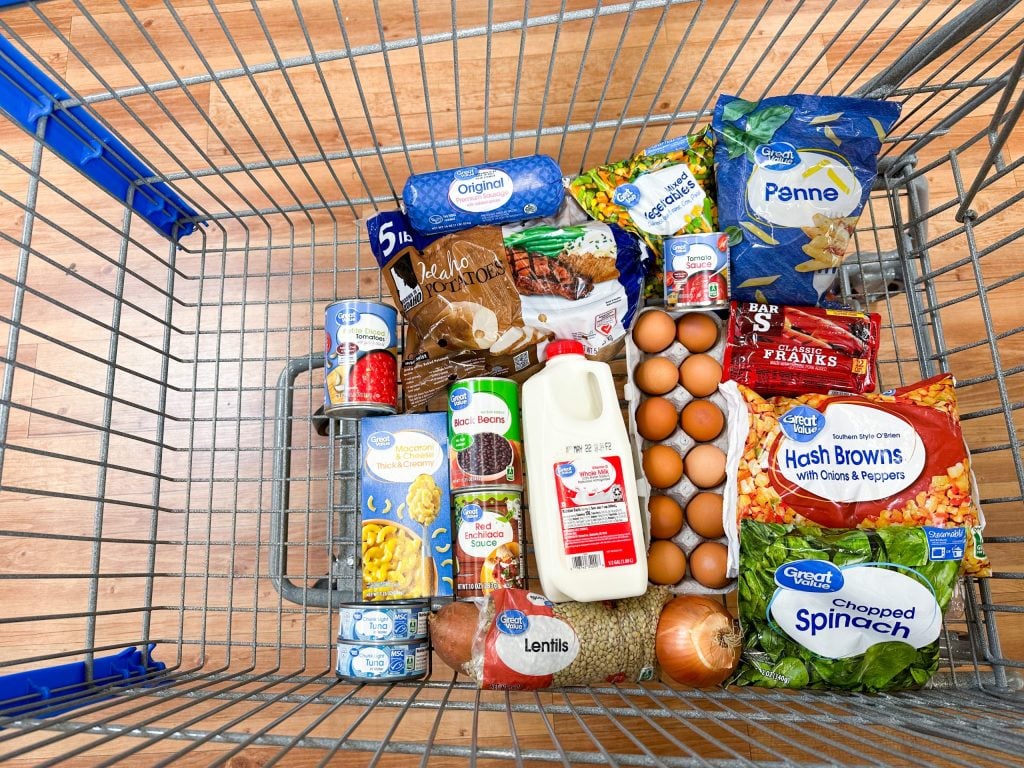
By embracing the principles of meal planning, smart shopping, and mindful cooking, you can significantly reduce your food budget and build healthier eating habits. Remember to be patient, stay consistent, and adapt your strategies as needed. With dedication and the right approach, you can achieve long-term financial and culinary success.