Ever feel like you’re chasing a digital unicorn? You scour the internet for coupons, only to be met with expired codes, misleading offers, and a growing sense of frustration. The world of digital coupons can be a minefield, filled with pitfalls that leave you feeling like you’ve wasted your time. But what if there was a way to navigate this landscape with confidence, turning those digital finds into real savings?
This guide dives deep into the art of couponing, equipping you with the knowledge and strategies to find and use digital coupons effectively. We’ll explore reliable sources, decipher tricky terms and conditions, and uncover the secrets to maximizing your savings. Get ready to transform from a coupon skeptic to a savvy shopper, unlocking discounts on everything from groceries to online purchases.
The Challenge of Digital Coupons
Digital coupons offer the promise of savings and convenience, yet navigating the world of online deals can often feel like a frustrating experience. Consumers frequently encounter misleading offers, expired codes, and a general lack of transparency, leading to wasted time and disappointment. This introduction explores the common pitfalls and challenges associated with using digital coupons.
Common Frustrations with Digital Coupons
Many consumers find themselves struggling with digital coupons. The process, while seemingly straightforward, often involves significant time investment and a high likelihood of failure.
Here are some of the most frequent frustrations:
- Invalid Codes: Discovering a coupon code is invalid after spending time browsing and selecting items is a major annoyance. This is often due to the coupon’s expiration, restrictions, or a simple typo.
- Expiration Dates: Coupons often have short lifespans, and it can be difficult to keep track of when they expire. Missed expiration dates mean missed savings.
- Complex Terms and Conditions: Coupons frequently come with intricate terms and conditions that can be challenging to understand. These may include minimum purchase requirements, product exclusions, or regional limitations.
- Difficulty Finding Working Coupons: Searching for valid coupons can be time-consuming, with many websites and extensions providing outdated or non-functional codes.
- Technical Issues: Technical glitches during the checkout process, such as coupon codes not applying correctly, can also disrupt the savings experience.
Misleading Coupons and Quick Expiration
The design of digital coupons can sometimes be intentionally misleading, or they may expire very quickly, leading to wasted effort and disappointment.
Consider these scenarios:
- “Up to” Discounts: A coupon might advertise “up to 50% off,” but the discount only applies to a small selection of items, while most products receive a much smaller discount.
- Hidden Fees: Some coupons might seem attractive at first glance, but the final price could be inflated due to shipping costs, handling fees, or other hidden charges.
- Flash Sales with Short Lifespans: Many retailers offer flash sales with coupon codes that are valid for a very limited time, sometimes just a few hours. Consumers may miss these opportunities if they are not constantly checking for deals.
- Example: A clothing retailer offers a 20% off coupon that expires in 24 hours. A customer spends time browsing the website, selects items, and then discovers the coupon is no longer valid. This leads to frustration and a sense of wasted time.
Impact of Expired or Invalid Coupons
Expired or invalid coupons have a significant impact on consumer behavior, affecting trust, purchasing decisions, and overall satisfaction.
The consequences include:
- Reduced Trust: Repeated experiences with expired or invalid coupons erode consumer trust in the retailer and the coupon system.
- Purchase Abandonment: Discovering a coupon doesn’t work often leads consumers to abandon their shopping carts, resulting in lost sales for the retailer.
- Negative Word-of-Mouth: Consumers are likely to share negative experiences with others, damaging the retailer’s reputation.
- Decreased Brand Loyalty: Frustration with coupon issues can lead consumers to switch to competitors who offer a more reliable and transparent shopping experience.
- Example: A study by RetailMeNot found that nearly half of online shoppers abandon their carts when they cannot find a working coupon. This demonstrates the direct impact of coupon validity on sales.
Identifying Reliable Coupon Sources
Finding valid digital coupons can feel like navigating a minefield. The internet is flooded with deals, but not all are legitimate or beneficial. This section will guide you through the most trustworthy sources and how to discern the good from the bad, ensuring you save money without wasting time.
Trustworthy Websites and Apps for Digital Coupons
Several platforms have established reputations for offering legitimate and readily usable digital coupons. These sources are generally well-maintained and regularly updated, providing a reliable starting point for your coupon search.
- RetailMeNot: This is a widely recognized platform, aggregating coupons from various retailers. They offer a browser extension that automatically finds and applies coupons while you shop online. RetailMeNot also features cashback offers, further enhancing savings.
- Honey: Acquired by PayPal, Honey is another popular browser extension that automatically searches for and applies coupon codes. It also has a “Droplist” feature, which tracks price drops on items you’re interested in.
- Coupons.com: A long-standing player in the coupon game, Coupons.com offers both printable and digital coupons. They often have manufacturer coupons directly available, which can be valuable.
- Rakuten (formerly Ebates): Rakuten focuses on cashback offers, but also includes some coupon codes. They partner with thousands of retailers and offer a percentage of your purchase back as cash.
- Slickdeals: Slickdeals is a community-driven platform where users share deals and coupons. The community votes on the deals, ensuring only the best and most relevant are highlighted.
Evaluating the Credibility of a Coupon Source
Not all coupon sources are created equal. Knowing how to assess a source’s reliability is crucial to avoid disappointment and wasted time.
- Check for Verified Coupons: Look for indicators that coupons have been verified or tested by the platform. This often involves a rating system or a “verified” tag.
- Review User Feedback: Read reviews from other users. See if they’ve successfully used the coupons and if they experienced any issues.
- Examine the Website’s Reputation: Research the website’s overall reputation. Check for any complaints or negative feedback about expired coupons or misleading offers.
- Beware of “Too Good to Be True” Deals: Be cautious of coupons offering extremely high discounts, especially if the source is unfamiliar. These might be scams or expired offers.
- Verify the Coupon’s Expiration Date: Always check the expiration date of a coupon before attempting to use it. Many coupon sites clearly display this information.
Comparing Coupon Platforms
Different platforms offer varying features, coupon types, and ease of use. Understanding the pros and cons of each can help you choose the best options for your needs.
Here’s a comparison table showcasing three popular coupon sources:
| Source Name | Coupon Types | Ease of Use | User Reviews |
|---|---|---|---|
| RetailMeNot | Digital coupons, cashback offers, printable coupons | Easy to use; browser extension available; mobile app | Generally positive; some users report occasional expired coupons. |
| Honey | Automatic coupon application, cashback offers, Droplist feature | Very easy to use; browser extension automatically finds and applies coupons. | Highly rated; users appreciate the automated coupon application. |
| Coupons.com | Digital coupons, printable coupons, manufacturer coupons | Easy to navigate; well-organized website. | Positive; reliable source for manufacturer coupons. |
Example: Let’s say you are shopping online at a clothing store. RetailMeNot might automatically show you available coupon codes for that store, while Honey might also offer additional discounts or cashback. Coupons.com might have a printable coupon for a specific brand of jeans you are looking for.
Understanding Coupon Terms and Conditions
Digital coupons offer fantastic savings, but those savings can quickly vanish if you don’t understand the fine print. Ignoring the terms and conditions is like starting a race without knowing the rules; you might be disqualified before you even reach the finish line. Taking the time to read and understand these details is crucial to ensure you actually get the discounts you expect.It’s essential to become a savvy coupon user by carefully reviewing the terms and conditions.
This includes understanding expiration dates, product exclusions, and any other limitations. Failing to do so can lead to disappointment at the checkout and a missed opportunity to save money.
Importance of Reading the Fine Print
The fine print on a digital coupon contains vital information that dictates whether or not you can actually use it. This section of the coupon reveals restrictions, limitations, and other crucial details that can affect your savings. Reading the fine print ensures you’re fully informed before attempting to redeem the coupon.
Common Coupon Restrictions
Coupon restrictions are put in place by retailers and manufacturers to control how and when coupons can be used. These limitations are often found within the terms and conditions. Understanding these restrictions is key to successful couponing.
- Expiration Dates: Every coupon has an expiration date. Using a coupon after this date renders it invalid. Check the date carefully before attempting to use the coupon. For example, a coupon for 20% off your purchase might expire on December 31st of the current year.
- Product Exclusions: Many coupons exclude certain products. These exclusions are usually listed in the fine print. For example, a coupon for laundry detergent might exclude travel sizes or trial sizes.
- Purchase Requirements: Some coupons require a minimum purchase amount. You must spend a certain amount before the coupon discount is applied. For instance, a coupon might offer $5 off a purchase of $25 or more.
- Quantity Limits: Coupons may limit the number of times you can use them or the quantity of items you can purchase with the coupon. This could be a limit of one coupon per customer or a limit on the number of items that qualify for the discount.
- Geographic Restrictions: Some coupons are only valid in specific geographic areas, like certain states or cities. This is particularly common with regional or local store promotions. Ensure the coupon is valid in your location before attempting to use it.
Deciphering Coupon Codes and Usage Rules
Coupon codes are often a combination of letters and numbers. They’re used to activate the discount when shopping online or at self-checkout kiosks. Understanding how to enter and use these codes is critical.
- Code Entry: The code must be entered exactly as it appears. This includes correct capitalization and spacing. If the code doesn’t work, double-check it for accuracy.
- Single-Use vs. Multiple-Use Codes: Some codes can be used only once per customer, while others can be used multiple times. The terms and conditions will specify this.
- Automatic Application: Some digital coupons are applied automatically at checkout, without requiring a code. This is usually the case with coupons loaded directly onto a loyalty card or account.
- Stacking Rules: “Stacking” refers to combining multiple coupons on a single purchase. Some retailers allow this, while others do not. The terms and conditions will clarify whether stacking is permitted.
- Code Source and Validity: Ensure the coupon code comes from a reliable source, such as the retailer’s official website or a reputable coupon website. Verify that the code is still valid before using it.
Strategies for Coupon Success
Successfully navigating the world of digital coupons requires more than just finding them; it’s about implementing smart strategies to maximize your savings. This involves understanding how to combine coupons, planning your shopping trips, and staying organized. By mastering these techniques, you can significantly reduce your expenses and make the most of every discount.
Stacking Coupons to Maximize Savings
Stacking coupons is the art of combining multiple discounts on a single item to achieve the lowest possible price. This is a powerful strategy that can lead to substantial savings, but it’s important to understand the different types of coupons and how they can be combined.Here’s how coupon stacking works:
- Manufacturer Coupons: These coupons are issued by the manufacturer of a product and can be used at any retailer that accepts them. They often have specific product requirements, like size or flavor.
- Store Coupons: These coupons are issued by the retailer and are specific to their store. They can be for a percentage off, a dollar amount off, or a BOGO (Buy One, Get One) deal.
- Digital Coupons: Many retailers offer digital coupons that you can “clip” to your account and redeem at checkout. These are often store-specific but can sometimes be manufacturer coupons.
- Cash Back Apps: Apps like Ibotta and Rakuten offer cash back on specific purchases. These can be used in conjunction with other coupons.
The key to successful stacking is understanding the retailer’s coupon policy. Most stores allow you to combine a manufacturer coupon with a store coupon on the same item. You can often also use a cash-back app to get additional savings.For example:
You have a manufacturer coupon for $1 off a box of cereal, a store coupon for 20% off cereal, and you are using Ibotta, which offers $0.50 cash back on the same cereal. You can use all three discounts together.
This is a simplified example; always check the specific terms and conditions of each coupon and the retailer’s coupon policy. Some stores may limit the number of coupons you can use or the type of coupons they accept.
Step-by-Step Guide for Finding and Using Coupons at a Specific Retailer
Let’s use a fictional retailer, “SuperSave Market,” to illustrate the process of finding and using digital coupons.Here’s a step-by-step guide:
- Visit the SuperSave Market Website or App: Open the SuperSave Market website or mobile app on your device.
- Navigate to the Coupons Section: Look for a section labeled “Coupons,” “Digital Coupons,” or something similar. This is usually found in the main navigation menu or on the homepage.
- Browse Available Coupons: Browse through the available digital coupons. You can usually filter by category (e.g., grocery, produce, household) or by brand.
- “Clip” the Coupons: When you find a coupon you want to use, click the “Clip,” “Add,” or “Save” button to add it to your digital coupon account. You may need to create an account or log in if you haven’t already.
- Plan Your Shopping Trip: Make a shopping list based on the coupons you’ve clipped. Check the expiration dates of the coupons to ensure they are valid.
- Shop In-Store or Online: Shop at SuperSave Market, either in-store or online. If shopping in-store, gather the items for which you have clipped coupons. If shopping online, add the items to your cart.
- Enter Your Rewards/Account Information: If shopping online, your clipped coupons should automatically apply to your order at checkout. If shopping in-store, provide your loyalty card or phone number linked to your digital coupon account at the register.
- Review Your Savings: At checkout, review your receipt (or order summary online) to ensure the coupons have been applied correctly. The discounts should be reflected in the final price.
Always double-check that the items you are purchasing meet the coupon’s requirements (size, flavor, quantity, etc.). If a coupon doesn’t apply, it may be because of a mismatch in the product, an expired date, or another condition not being met.
Tips for Staying Organized and Managing Digital Coupons Effectively
Staying organized is essential for maximizing your savings with digital coupons. A well-organized system prevents you from missing out on deals and helps you track your spending.Here are some tips for effective coupon management:
- Create a Dedicated Email Account: Use a separate email address specifically for couponing and loyalty programs. This keeps your primary inbox clean and makes it easier to find coupon-related emails.
- Use a Couponing App or Website: Utilize apps like Ibotta or websites that aggregate digital coupons. These tools make it easy to browse, clip, and track coupons.
- Organize Your Digital Coupons: Many apps and retailer websites allow you to organize your clipped coupons. Categorize them by product type, expiration date, or store to quickly find what you need.
- Check Expiration Dates Regularly: Set a reminder to check your coupons for expiration dates. This will help you use them before they expire and avoid missing out on potential savings.
- Make a Shopping List Based on Coupons: Before you go shopping, create a shopping list based on the coupons you have. This ensures you only buy items you have coupons for, preventing impulse purchases.
- Keep Receipts for Tracking: Keep your receipts to track your savings and to verify that coupons were applied correctly.
By implementing these strategies, you can streamline your couponing process and become a more efficient and successful shopper.
Strategies for Coupon Success Table
The following table Artikels four different strategies for coupon success, providing descriptions, examples, and tips for each.
| Strategy | Description | Example | Tips |
|---|---|---|---|
| Stacking Coupons | Combining multiple coupons on a single item (manufacturer, store, digital, cash back). | Using a manufacturer coupon for $1 off cereal, a store coupon for 20% off cereal, and a $0.50 cash back offer from Ibotta on the same box of cereal. | Always read the fine print of each coupon and understand the retailer’s coupon policy. |
| Planning Ahead | Creating a shopping list based on available coupons and sales. | Checking the weekly ad for sales on items you need and clipping coupons for those items before you go shopping. | Check your coupons before you shop. Organize your shopping list by store aisle to save time. |
| Using Loyalty Programs | Enrolling in store loyalty programs to access exclusive coupons and deals. | Joining the SuperSave Market loyalty program to receive personalized coupons and earn points for discounts. | Always scan your loyalty card or enter your phone number at checkout to ensure you receive all available discounts. |
| Staying Organized | Managing coupons effectively by using a dedicated email, a couponing app, and tracking expiration dates. | Using a separate email address for couponing and setting calendar reminders for coupon expiration dates. | Regularly check your coupons and organize them by category, expiration date, or store. |
Avoiding Common Coupon Scams
It’s exciting to find a great deal, but the world of digital coupons can also be a hunting ground for scammers. They use deceptive tactics to steal your personal information or trick you into paying for something that isn’t legitimate. Being aware of these red flags and knowing how to spot a scam is crucial for protecting yourself. This section will guide you through the common traps and how to stay safe while saving money.
Red Flags of Suspicious Coupon Offers
When browsing for digital coupons, several indicators can signal a potential scam. Recognizing these red flags is the first step in protecting yourself from fraudulent activities. Always be cautious of offers that seem too good to be true, as they often are.
- Unrealistic Discounts: Be wary of coupons promising extreme discounts, such as 90% off or even free products from well-known brands. Legitimate coupons rarely offer such substantial savings, especially on popular items.
- Unverified Websites: Always check the website’s legitimacy before entering any personal information. Look for a secure connection (HTTPS) and a professional design. Avoid sites with numerous spelling errors, poor grammar, or a lack of contact information.
- Requests for Excessive Personal Information: Legitimate coupon sites will generally only ask for basic information, such as your email address. Be cautious of sites that request your social security number, bank account details, or other sensitive data.
- Pressure Tactics: Scammers often use urgency or scarcity to pressure you into acting quickly. Watch out for phrases like “limited time offer” or “only a few left.”
- Unexpected Fees or Charges: Be wary of coupons that require you to pay a fee upfront, whether it’s a “processing fee” or a “membership charge.” Legitimate coupons are generally free to access and use.
- Fake Social Media Accounts or Unofficial Promotions: Verify the source of the coupon. Scammers frequently create fake social media accounts to distribute fraudulent coupons. Always check the official website or social media accounts of the brand to confirm the validity of the offer.
Examples of Fraudulent Coupon Practices and How to Avoid Them
Scammers employ various tactics to deceive coupon users. Understanding these practices and how to avoid them is key to safeguarding your information and your wallet.
- Phishing Scams: Scammers may send emails or messages that appear to be from legitimate companies, offering coupons. These messages often contain links that lead to fake websites designed to steal your personal information. To avoid this, never click on links in unsolicited emails. Always go directly to the official website of the company to claim the coupon.
- Coupon Generators: Some websites claim to generate unlimited coupons for any product. These are usually scams that either don’t work or install malware on your device. Avoid using coupon generators and stick to reputable coupon sources.
- Fake Coupon Codes: Scammers create fake coupon codes that look authentic but don’t work. These codes may be shared on social media or other platforms. Always verify the code on the official website before attempting to use it.
- Malware Distribution: Some fraudulent coupon websites may contain malware or viruses that can infect your device. Be cautious of websites with suspicious pop-ups or downloads.
- “Too Good to Be True” Offers: Offers that seem unrealistic, such as free products or extremely large discounts, are often scams. If an offer seems too good to be true, it probably is.
Reporting Coupon Scams to the Appropriate Authorities
If you encounter a coupon scam, it’s important to report it to the appropriate authorities. Reporting scams helps protect others from falling victim to the same tactics and helps authorities track down and stop the scammers.
Here are some agencies to consider:
- Federal Trade Commission (FTC): The FTC is the primary federal agency responsible for protecting consumers from fraud. You can report coupon scams on the FTC’s website.
- Better Business Bureau (BBB): The BBB helps consumers resolve disputes with businesses. You can report coupon scams to the BBB, and they can investigate and warn other consumers.
- Your State’s Attorney General: Each state has an Attorney General who can investigate consumer fraud. You can report coupon scams to your state’s Attorney General.
- The Website or Platform Where the Scam Occurred: If the scam occurred on a specific website or platform (e.g., Facebook, Instagram), report the scam to that platform. They may take action to remove the fraudulent content or ban the scammer.
Common Coupon Scams
Understanding common coupon scams allows you to identify and avoid them effectively. Here are three prevalent types of coupon scams:
- Fake Coupon Websites: These websites appear legitimate but are designed to steal your personal information. They might mimic the design of popular brands or offer unbelievable discounts to lure you in. When you enter your information, it is harvested and used for identity theft or sold to third parties.
Example: A website claiming to offer a 75% discount on a popular brand’s products, but the website address is slightly different from the official brand website.
- Phishing Scams Disguised as Coupons: Phishing scams often use emails or social media messages to distribute fake coupons. These messages contain links that direct you to fake websites designed to steal your information or install malware.
Example: An email that looks like it is from a well-known retailer, offering a coupon for a significant discount.
Clicking the link takes you to a fake login page that steals your username and password.
- Coupon Reselling Scams: Scammers may purchase coupons at a discounted rate and then resell them at a higher price. While this practice might not always be illegal, it often violates the terms and conditions of the coupon and can lead to the coupon being rejected at checkout.
Example: Purchasing a coupon for a product at a significantly discounted price from an unauthorized third-party seller.
When you attempt to use the coupon, it is invalid.
Couponing for Different Types of Purchases
Finding digital coupons can significantly reduce spending across various purchase categories. From groceries and restaurant meals to online shopping and services, strategic coupon use can lead to substantial savings. This section explores how to find and effectively utilize digital coupons for different types of purchases, providing tailored strategies and resources.
Finding Coupons for Groceries, Restaurants, and Online Shopping
The process of locating digital coupons varies depending on the type of purchase. Knowing where to look is the first step towards successful couponing.
- Groceries: Grocery coupons are readily available through various digital platforms. Grocery store apps and websites often feature digital coupons that can be “clipped” and redeemed at checkout. Coupon websites and apps, such as Coupons.com and RetailMeNot, also aggregate grocery coupons. Loyalty programs often offer personalized digital coupons based on past purchase history.
- Restaurants: Restaurant coupons are frequently distributed through restaurant apps, email newsletters, and websites. Third-party delivery services, like DoorDash and Uber Eats, also provide digital coupons and promotions. Social media platforms can be a source, with restaurants occasionally posting exclusive deals for followers.
- Online Shopping: Online shopping offers a plethora of digital coupon opportunities. Browser extensions, such as Honey and Rakuten, automatically search for and apply coupons during checkout. Retailer websites frequently have promotional codes that can be found directly on their site or through email sign-ups. Coupon websites and apps are also a good source.
Coupon Strategies Tailored to Specific Purchase Types
Different purchase types require different couponing strategies to maximize savings. Tailoring your approach to the specific type of purchase will yield better results.
- Groceries: Combine digital coupons with weekly sales and store loyalty programs. Utilize apps that offer cash back on specific grocery items. Plan your shopping trips around the availability of digital coupons for items on your shopping list.
- Restaurants: Check for online coupons before ordering. Look for specials during off-peak hours or for specific days of the week. Consider joining restaurant loyalty programs for exclusive discounts and rewards.
- Online Shopping: Always search for coupon codes before completing a purchase. Utilize browser extensions to automatically find and apply coupons. Compare prices across different retailers and factor in shipping costs.
Methods for Finding Coupons for Services and Experiences
Finding coupons for services and experiences requires a slightly different approach. These coupons are often less prevalent than those for groceries or retail goods.
- Service-Specific Websites: Websites of service providers (e.g., spas, cleaning services) may offer promotional codes or discounts.
- Deal Aggregators: Websites like Groupon and LivingSocial are dedicated to providing discounts on services and experiences.
- Email Newsletters: Subscribe to newsletters from businesses offering services you’re interested in. They frequently send exclusive deals to subscribers.
- Social Media: Follow service providers on social media platforms for potential promotions.
Coupon Strategies Table
The following table provides a comprehensive overview of coupon strategies for various purchase types:
| Strategy | Examples | Best Sources | Tips |
|---|---|---|---|
| Groceries | Clipping digital coupons in store apps, using cash-back apps (Ibotta, Fetch), combining with sales. | Store apps (Kroger, Target), coupon websites (Coupons.com), cash-back apps (Ibotta, Fetch). | Plan shopping trips around coupon availability; check expiration dates; organize coupons before shopping. |
| Restaurants | Using promo codes on restaurant websites, joining loyalty programs, checking delivery service apps. | Restaurant websites and apps (Chipotle, Starbucks), delivery apps (DoorDash, Uber Eats), social media. | Look for lunch specials; check for deals during off-peak hours; read terms and conditions carefully. |
| Online Shopping | Using browser extensions, searching for promo codes at checkout, signing up for email newsletters. | Browser extensions (Honey, Rakuten), retailer websites (Amazon, Best Buy), coupon websites (RetailMeNot). | Always search for codes before completing purchases; compare prices; factor in shipping costs. |
| Services | Searching deal websites (Groupon, LivingSocial), checking service provider websites, subscribing to newsletters. | Groupon, LivingSocial, service provider websites (massage parlors, cleaning services), email newsletters. | Read reviews before purchasing; check expiration dates; understand terms and conditions of service. |
Leveraging Browser Extensions and Mobile Apps
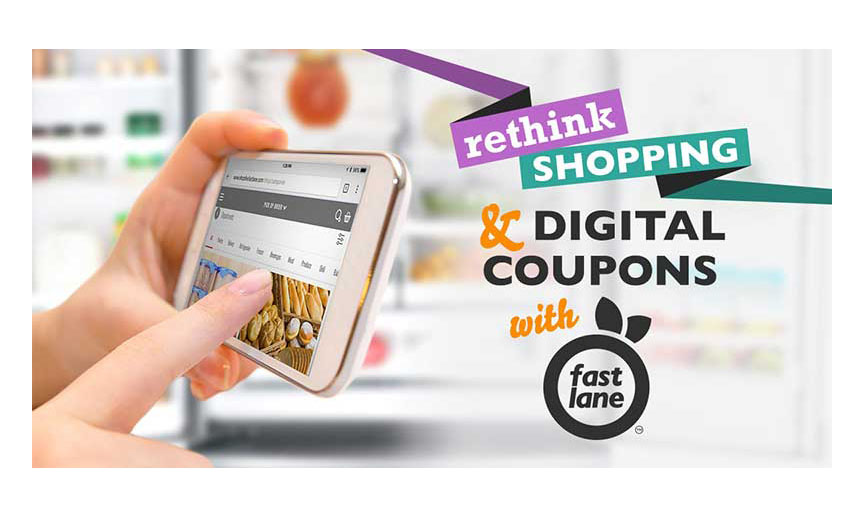
Finding digital coupons can be significantly streamlined by utilizing browser extensions and mobile apps. These tools automate much of the coupon hunting process, saving time and effort. They work in the background, actively searching for and applying discounts while you shop online. This can lead to substantial savings with minimal user input.
Benefits of Using Browser Extensions and Mobile Apps for Coupon Hunting
These tools offer several advantages over manual coupon searching. They automate the process, reducing the time spent searching for codes. They also often provide access to exclusive deals that might not be readily available elsewhere.
- Automation: Extensions and apps automatically search for and apply coupons at checkout.
- Time Savings: Eliminate the need to manually search for coupon codes, freeing up valuable time.
- Exclusive Deals: Often provide access to deals and discounts not found through other methods.
- Convenience: Seamlessly integrate into your online shopping experience.
- Reduced Errors: Minimize the risk of entering incorrect or expired coupon codes.
How These Tools Automatically Find and Apply Coupons
Browser extensions and mobile apps typically work by scanning the current webpage for potential coupon codes. They then test these codes at checkout, applying the best available discount automatically.
The process generally involves these steps:
- Detection: The extension or app detects that you’re on a shopping website.
- Search: It automatically searches for available coupons, either from its own database or by scraping the web.
- Testing: The extension or app tests the found coupons, applying them one by one.
- Application: The best working coupon is automatically applied to your order.
- Notification: You’re notified of the applied savings.
Examples of Popular Browser Extensions and Mobile Apps for Couponing
Several browser extensions and mobile apps have gained popularity for their effectiveness in finding and applying coupons.
- Honey: A widely used browser extension that automatically finds and applies coupons.
- Rakuten (formerly Ebates): Offers cash back and coupons, both through a browser extension and a mobile app.
- Capital One Shopping: Another browser extension that finds coupons and compares prices.
- RetailMeNot: A popular website and mobile app for finding and using coupons.
- Coupert: An extension that automatically finds and applies coupons at checkout.
Demonstration of the User Interface of a Popular Coupon Browser Extension
Let’s examine the user interface of Honey, a popular browser extension. When visiting an online store, the Honey extension will typically display a small notification on the shopping website. This notification usually indicates that Honey is actively searching for coupons.
User Interface Description:
When Honey is activated on a shopping website, a small icon (usually a bee) appears in the browser’s toolbar. When you are on a supported website, Honey will display a popup, either at the top or the bottom of the page, or a small icon at the corner of the page indicating that it’s searching for coupons. During checkout, Honey will automatically test available coupons.
The extension will then apply the best available discount and display the amount saved, along with a list of applied coupons.
Illustrative Example:
Imagine shopping on Amazon. When the Honey extension is active, you’ll see the Honey icon in your browser toolbar. When you reach the checkout page, Honey automatically begins searching for available coupons. After testing the coupons, it will apply the one that offers the most savings and display a notification at the top of the page. The notification would show something like, “Honey found and applied a coupon, saving you $X.XX.” You will also be able to view a list of all applied coupons.
Exploring Social Media for Coupons
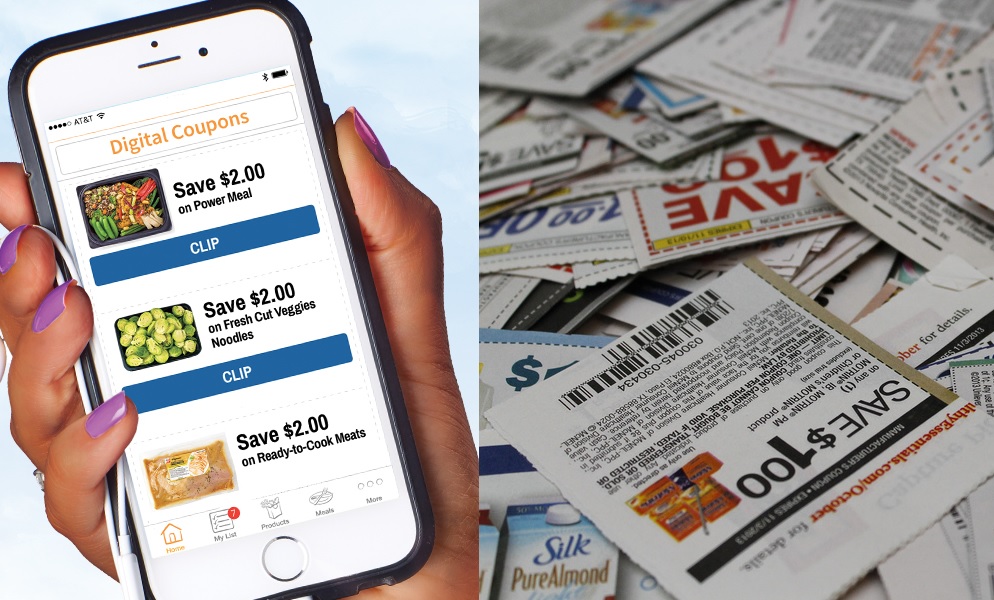
Social media platforms offer a dynamic environment for discovering digital coupons. Businesses frequently utilize these platforms to promote their products and services, making them a valuable resource for savvy shoppers. This section explores how to leverage social media for coupon hunting.
Methods for Finding Digital Coupons on Social Media Platforms
Social media platforms provide various avenues for discovering digital coupons.
- Following Brands and Retailers: The most direct method involves following the social media accounts of your favorite brands and retailers. They regularly post coupon codes, promotional offers, and announce sales events.
- Searching Relevant Hashtags: Utilize hashtags related to coupons, discounts, and specific products (e.g., #coupon, #discount, #sale, #freestuff, #[brandname]coupon). This helps you find deals you might otherwise miss.
- Joining Couponing Groups and Pages: Many Facebook groups and other social media pages are dedicated to sharing coupons and deals. Members often post codes they’ve found or created.
- Checking Brand Profiles: Many brands now have dedicated coupon sections on their Facebook pages or other social media profiles.
- Using Social Media Search Features: Employ the search features of each platform to find mentions of specific products or deals. For example, search for “coupon code for [product name]” on Twitter or Facebook.
Types of Coupons Often Found on Social Media
A variety of coupons are commonly found on social media, offering diverse savings opportunities.
- Percentage-Off Discounts: These coupons offer a specific percentage off your purchase (e.g., 20% off your entire order).
- Dollar-Off Discounts: These coupons provide a set dollar amount off your purchase (e.g., $10 off your order of $50 or more).
- Free Shipping Codes: Many retailers offer free shipping codes to incentivize purchases, particularly on social media.
- Buy-One-Get-One (BOGO) Offers: These deals allow you to get a second item for free or at a discounted price.
- Exclusive Promo Codes: Brands often create exclusive coupon codes for their social media followers.
- Contest and Giveaway Prizes: Brands frequently host contests and giveaways on social media, with prizes including gift cards or product coupons.
Risks and Rewards of Using Social Media for Couponing
While social media offers significant couponing opportunities, it’s important to be aware of potential risks. The rewards can be substantial, but caution is necessary.
- Rewards:
- Access to Exclusive Deals: Social media often features deals not available elsewhere.
- Discovering New Products: Coupons can encourage you to try new products or brands.
- Convenience: Deals are often easily accessible and shareable.
- Risks:
- Scams and Fraud: Be wary of fake coupons or phishing attempts. Always verify the source.
- Expired Codes: Coupons can expire quickly, so check the expiration date.
- Limited Availability: Some deals may be limited to a specific number of uses or a short time frame.
- Privacy Concerns: Be cautious about providing personal information to claim a coupon.
Example Social Media Posts with Coupon Offers
Post 1 (Facebook):
Brand: “CozyComfort Blankets”
Offer: 25% off all blankets
Coupon Code: COZY25
Expiration Date: October 31, 2024
Details: Use code COZY25 at checkout on our website. Valid on all blanket styles. #blankets #cozyhome #sale
Post 2 (Instagram):
Brand: “The Daily Grind Coffee”
Offer: Free coffee with any pastry purchase
Coupon Code: (Mention the post to the cashier)
Expiration Date: September 15, 2024
Details: Show this post at any of our locations. One free coffee per pastry purchased. #coffee #bakery #freedrink
Post 3 (Twitter):
Brand: “TechGadgets”
Offer: $15 off any order over $75
Coupon Code: TECH15
Expiration Date: November 10, 2024
Details: Shop now at TechGadgets.com! Limited time offer. #tech #gadgets #discount
Utilizing Email Newsletters and Loyalty Programs
Email newsletters and loyalty programs are powerful tools for discovering digital coupons. Companies use these channels to reward subscribers and loyal customers with exclusive deals, driving sales and building customer relationships. Effectively navigating these platforms can significantly increase your coupon savings.
Finding Digital Coupons Through Email Newsletters
Email newsletters are a direct line to exclusive deals. Companies often send newsletters to promote sales, new products, and, importantly, digital coupons. Subscribing to newsletters from your favorite stores and brands is a proactive way to receive these offers directly in your inbox.To find coupons through email newsletters:
- Subscribe Strategically: Sign up for newsletters from stores you frequently shop at, as well as brands you’re interested in. Look for sign-up forms on websites, often in the footer or as a pop-up.
- Check Regularly: Make it a habit to check your email regularly, especially the inbox and any “promotions” or “offers” folders. Coupons are often time-sensitive, so prompt action is key.
- Look for s: Search your inbox for s like “coupon,” “discount,” “offer,” “sale,” or the brand’s name to quickly locate potential savings.
- Review the Fine Print: Carefully read the email’s content, paying attention to the coupon’s terms and conditions, such as expiration dates, eligible products, and any minimum purchase requirements.
Finding Digital Coupons Through Loyalty Programs
Loyalty programs are designed to reward repeat customers, and digital coupons are a common perk. By joining these programs, you gain access to exclusive discounts, special offers, and personalized deals based on your purchase history.To find coupons through loyalty programs:
- Enroll in Programs: Join loyalty programs offered by stores you frequent. These programs are often free to join, requiring only basic information.
- Check Your Account: Log in to your loyalty program account online or through the store’s app. Look for a “rewards” or “offers” section where coupons are typically displayed.
- Use Your Membership: When shopping in-store, provide your loyalty card or phone number at checkout to redeem coupons. For online purchases, ensure you’re logged into your account before adding items to your cart.
- Monitor Communication: Loyalty programs often send emails or notifications about new coupons and exclusive deals. Make sure to check these communications regularly.
Examples of Successful Email Marketing Campaigns Offering Coupons
Several brands have successfully used email marketing to distribute digital coupons, leading to increased sales and customer engagement. These campaigns often feature targeted offers, attractive visuals, and clear calls to action.* Sephora: Sephora frequently sends out emails with exclusive coupons for free samples, discounts on specific product categories (like skincare or makeup), and special offers for their loyalty program members.
These emails often include high-quality product images and personalized recommendations based on a customer’s purchase history.
Amazon
Amazon regularly sends targeted coupon offers via email, often based on a customer’s browsing history or past purchases. These coupons can range from discounts on individual items to percentage-off deals on entire categories, such as electronics or home goods. The emails usually feature clear pricing information and easy-to-use redemption instructions.
Target
Target’s email marketing includes weekly ad previews and personalized coupon offers. Target Circle members (their loyalty program) receive additional, exclusive coupons and deals through email, encouraging program participation and driving repeat business.
Old Navy
Old Navy’s email campaigns frequently offer coupons for a percentage off a purchase, free shipping, or discounts on specific items. These emails often feature attractive visuals of their latest clothing collections and highlight limited-time offers to encourage immediate action.
Loyalty Programs with Unique Coupon Benefits
Different loyalty programs offer a variety of coupon benefits, from discounts on specific products to exclusive access to sales.
- Sephora Beauty Insider:
- Benefit: Offers exclusive discounts, free samples, and birthday gifts.
- Coupon Example: Members receive emails with coupons for free deluxe samples with purchases and discounts on specific brands or product categories.
- Starbucks Rewards:
- Benefit: Earn stars for purchases, redeemable for free drinks, food, and merchandise.
- Coupon Example: Offers such as a free drink on your birthday or bonus stars for trying new menu items.
- Kohl’s Rewards:
- Benefit: Earn Kohl’s Cash for every purchase, redeemable for future purchases.
- Coupon Example: Frequent Kohl’s Cash promotions and personalized coupons based on purchase history, such as a percentage off your next purchase.
- Amazon Prime:
- Benefit: Exclusive access to deals, discounts, and early access to sales events.
- Coupon Example: Prime members receive exclusive coupons on a wide range of products, often with significant discounts and free shipping.
Last Word

From understanding the fine print to spotting potential scams, this journey through the world of digital coupons empowers you to shop smarter, not harder. You’ve learned how to identify trustworthy sources, navigate the terms and conditions, and even leverage social media and email newsletters for exclusive deals. With these strategies in hand, you’re now equipped to confidently conquer the digital coupon landscape and watch your savings soar.
Happy couponing!