How to Use Browser Extensions for Automatic Savings unveils a world of effortless discounts and deals right at your fingertips. Imagine shopping online, and as if by magic, coupons appear, prices are compared, and cashback is automatically applied. This is the power of browser extensions, transforming your online shopping experience from a simple transaction into a savvy savings adventure.
These clever add-ons integrate seamlessly with your favorite browsers, working behind the scenes to find the best prices, apply coupons, and even earn you cashback. From travel and electronics to clothing and groceries, these extensions can unlock significant savings across a wide range of purchases. This guide will explore how these extensions work, how to install them, and how to maximize your savings potential.
Introduction: The Power of Browser Extensions for Savings
Browser extensions are small software programs that enhance the functionality of your web browser. They act as helpful assistants, adding features and automating tasks while you browse the internet. In the realm of online shopping, these extensions can be particularly powerful tools for saving money.Browser extensions revolutionize the way we shop online by automating various aspects of the savings process.
Instead of manually searching for deals or comparing prices, extensions do the work for you. They can automatically apply coupon codes, compare prices across different retailers, and even track price drops on items you’re interested in.
Understanding Browser Extensions
Browser extensions are essentially add-ons that customize your web browser. They integrate seamlessly into your browsing experience, often working in the background without you even realizing it. They are available for all major browsers, including Chrome, Firefox, Safari, and Edge. Think of them as mini-applications designed to perform specific tasks within your browser window. They can do everything from blocking ads to managing passwords and, most importantly for our purposes, helping you save money.
Examples of Savings Automation
Extensions automate savings in numerous ways, making the process effortless.
- Automatic Coupon Application: Extensions scan the websites you visit and automatically apply any available coupon codes during checkout. This eliminates the need to search for and manually enter codes, ensuring you never miss a potential discount. For example, a popular extension might automatically apply a 15% off coupon to your purchase at a clothing retailer, saving you money without any extra effort.
- Price Comparison: When you view a product on one website, the extension can instantly compare prices from other retailers selling the same item. This allows you to quickly identify the best deal and ensure you’re not overpaying. Imagine you’re looking at a new laptop on a major electronics retailer’s website. The extension displays the price at other online stores, revealing that another retailer offers the same laptop for $50 less.
- Cashback Rewards: Some extensions offer cashback rewards for purchases made at participating retailers. After completing a purchase, a percentage of your spending is returned to you. This can be a significant source of savings over time. For example, if you make a purchase at a department store through a cashback extension, you might receive 5% back on your total purchase.
- Price Drop Tracking: Extensions can track the prices of items you’re interested in and alert you when the price drops below a certain threshold. This is particularly useful for big-ticket items or products you plan to buy in the future. Let’s say you’re planning to buy a new TV. You can set up a price drop alert, and the extension will notify you if the price falls below your target amount.
Benefits of Using Savings Extensions
Utilizing browser extensions offers several advantages for savvy shoppers.
- Effortless Savings: Extensions automate the entire savings process, requiring minimal effort from your side. Once installed, they work in the background, searching for deals and applying discounts automatically.
- Time Savings: Extensions save you time by eliminating the need to manually search for coupon codes, compare prices, or track price drops. This allows you to focus on other tasks while still ensuring you get the best possible deals.
- Increased Savings: By automatically applying coupons, comparing prices, and offering cashback rewards, extensions can significantly increase your overall savings.
- Improved Shopping Experience: Extensions enhance your online shopping experience by providing valuable information and streamlining the checkout process. They can also help you discover new deals and promotions you might have otherwise missed.
Identifying Popular Savings Extensions
Finding the right browser extension can significantly boost your savings game. Several extensions have gained popularity for their ability to automate savings, find the best deals, and apply coupons automatically. Let’s explore some of the most well-known and effective options available today.To maximize your savings, it’s crucial to understand the features and benefits of different extensions. We’ll examine a selection of popular extensions, highlighting their unique capabilities and how they can help you save money.
Popular Savings Extensions and Their Features
Below is a table showcasing some of the most popular browser extensions for saving money. Each entry includes the extension’s name, a brief description of its function, and a rating based on user reviews and overall effectiveness.
| Extension Name | Description | Rating (Out of 5) |
|---|---|---|
| Honey | Automatically finds and applies coupon codes and offers cash back. | 4.8 |
| Rakuten | Offers cash back on purchases from thousands of online retailers. | 4.7 |
| Capital One Shopping | Compares prices across different retailers and automatically applies available coupons. | 4.6 |
| Wikibuy (now Capital One Shopping) | This extension compares prices and finds better deals. It also scans for coupons and offers rewards. | 4.5 |
| PriceBlink | Automatically finds and applies coupons while also comparing prices. | 4.4 |
The features of these extensions vary, but they generally include some common functionalities.
- Cashback: Many extensions offer cashback rewards on purchases made through partner retailers. This means you receive a percentage of your purchase price back as a reward. For instance, Rakuten often provides cashback offers ranging from 1% to 10% or more on purchases from various stores.
- Price Comparison: Some extensions automatically compare prices across different websites to ensure you’re getting the best deal. Capital One Shopping, for example, can scan multiple retailers to find lower prices on the same product.
- Coupon Application: A primary function of many extensions is automatically applying coupon codes at checkout. Honey and PriceBlink are well-known for this feature, saving users the time and effort of searching for and manually entering coupons.
- Deal Alerts: Certain extensions offer deal alerts, notifying you of price drops or special promotions on products you’re interested in.
Installing Savings Extensions on Different Browsers
Installing these extensions is a straightforward process, with slight variations depending on the browser you use. The general steps are similar across the most popular browsers.
- Chrome:
- Open the Chrome Web Store.
- Search for the extension you want to install (e.g., “Honey” or “Rakuten”).
- Click on the extension.
- Click the “Add to Chrome” button.
- Confirm the installation by clicking “Add extension” in the pop-up window.
Once installed, the extension’s icon will typically appear in your browser’s toolbar.
- Firefox:
- Go to the Firefox Add-ons website (addons.mozilla.org).
- Search for the desired extension.
- Click on the extension.
- Click the “Add to Firefox” button.
- Review the permissions requested by the extension and click “Add” if you agree.
The extension’s icon will appear in the toolbar after installation.
- Safari:
- Open the Safari Extensions Gallery (Safari > Safari Extensions).
- Search for the extension you want.
- Click the “Get” button to install the extension.
- If the extension requires it, you might need to enable it in Safari’s preferences (Safari > Preferences > Extensions).
Safari extensions will usually appear in the toolbar or interact with webpages directly.
- Other Browsers (e.g., Edge):
Most modern browsers, like Microsoft Edge, are built on the same Chromium technology as Chrome. Thus, installing extensions usually follows a similar process to Chrome.
- Open the browser’s extension store (e.g., Microsoft Edge Add-ons).
- Search for the desired extension.
- Click the “Get” or “Add” button.
- Confirm the installation.
The extension’s icon will then appear in the toolbar.
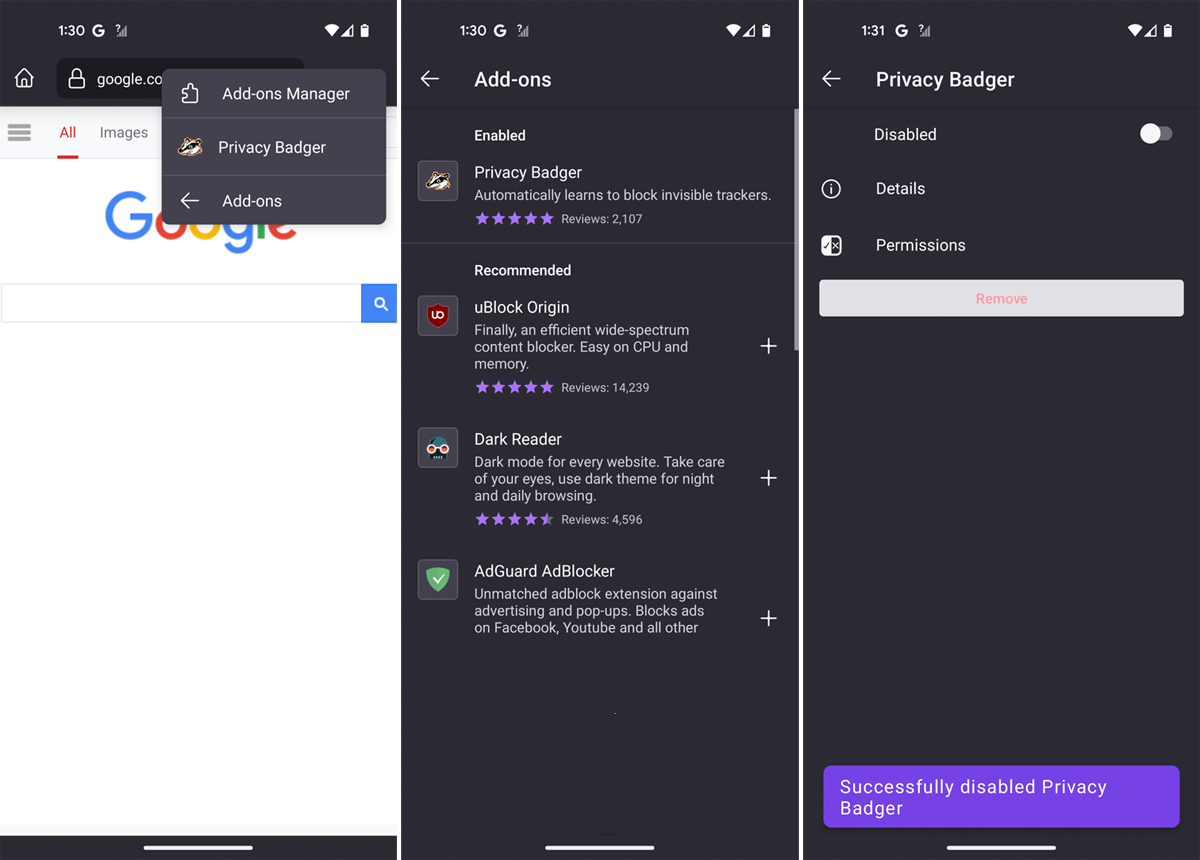
It’s important to remember to always review the permissions requested by an extension before installing it to ensure it aligns with your privacy and security preferences.
Setting Up and Using Savings Extensions
Now that you know what browser extensions are and how they can help you save, let’s dive into the practical side: how to set them up and start using them to snag those deals. It’s easier than you might think!
Setting Up and Linking Accounts
The setup process for most savings extensions is designed to be user-friendly. The initial steps generally involve installing the extension, creating an account, and potentially linking your existing accounts for personalized savings.Here’s a typical breakdown:
- Installation: Visit the extension’s official website or your browser’s extension store (e.g., Chrome Web Store, Firefox Add-ons). Click the “Add to [Your Browser]” button. Your browser will likely ask for permission to access your browsing data. This is usually necessary for the extension to function correctly, allowing it to identify and apply savings opportunities on websites you visit.
- Account Creation: Once installed, the extension icon will appear in your browser’s toolbar. Click the icon to open the extension. You’ll typically be prompted to create an account. This usually involves providing an email address, creating a password, and agreeing to the terms of service. Some extensions offer the option to sign up using existing accounts, such as Google or Facebook, for faster registration.
- Linking Accounts (Optional): Some extensions offer the ability to link your existing accounts, such as your loyalty programs, to personalize savings recommendations. For example, a shopping extension might prompt you to link your Amazon account to automatically apply any available points or rewards during checkout. This step is often optional, but linking accounts can help you maximize your savings potential.
- Confirmation and Activation: After creating an account, you might need to verify your email address by clicking a link sent to your inbox. Once verified, the extension is usually activated automatically. You may also need to adjust the extension’s settings to control its behavior, such as whether it automatically searches for coupons or provides price comparisons.
Automatic Coupon Application During Checkout
One of the most convenient features of savings extensions is their ability to automatically find and apply coupons during the checkout process. This saves you the time and effort of manually searching for and testing coupon codes.Here’s how it typically works:
- Detection: When you’re on a checkout page of a supported online store, the extension automatically detects that you’re about to make a purchase.
- Scanning: The extension then scans for available coupons. It does this by accessing a database of coupons that it constantly updates from various sources, including user submissions, partner websites, and direct partnerships with retailers.
- Application: If the extension finds valid coupons, it automatically applies them to your order. You’ll usually see a notification showing which coupons were applied and how much you saved.
- Notifications: Many extensions provide real-time notifications, such as a pop-up alert, informing you about available coupons and discounts. This ensures you don’t miss out on potential savings.
- Multiple Coupons: Some extensions can automatically test multiple coupons to find the one that provides the greatest discount.
For example, imagine you’re buying shoes online. As you proceed to checkout, your browser extension automatically detects the retailer. It then searches its database for valid coupons. If it finds a 15% off coupon, it automatically applies it to your order, and you instantly see the reduced price.
Using Price Comparison Features
Many savings extensions offer price comparison features, allowing you to quickly compare prices for the same product across different retailers. This helps you ensure you’re getting the best possible deal.Here’s how to use these features:
- Product Page Detection: When you’re viewing a product page on a supported website, the extension will typically recognize the product.
- Price Comparison Display: The extension then displays a price comparison table or list, showing the prices for the same product from other retailers. This information is often presented directly on the product page or within a pop-up window.
- Retailer Information: The price comparison typically includes information such as the retailer’s name, the product price, shipping costs (if applicable), and sometimes even customer reviews or ratings.
- Sorting and Filtering: You can often sort and filter the results based on price, retailer, or other criteria to easily find the best deal.
- Direct Links: The price comparison usually includes direct links to the product pages on the other retailers’ websites, allowing you to quickly navigate to the best price.
For instance, let’s say you are shopping for a new laptop. As you browse a product page on a retailer’s website, the price comparison feature of your extension would activate. It might show you that the same laptop is available at a lower price from another retailer, along with a direct link to purchase it at the discounted price. This saves you the hassle of manually searching and comparing prices across multiple websites.
Maximizing Savings with Cashback Extensions
Cashback extensions are a powerful tool for maximizing your savings while shopping online. They work by partnering with retailers and earning a commission on your purchases. A portion of this commission is then passed on to you, the shopper, in the form of cashback. This means you essentially get money back on things you were already planning to buy, without any extra effort.
How Cashback Extensions Work and Earning Rewards
Cashback extensions operate seamlessly in the background while you browse the web. Once installed, they detect when you visit a participating retailer’s website. They then activate, typically with a notification or a subtle change in the browser interface. When you make a purchase through the extension, the retailer pays a commission to the extension provider. The extension then credits your account with a percentage of that commission, which is your cashback reward.The rewards are typically earned as a percentage of your purchase total.
For example, if an extension offers 5% cashback and you spend $100, you would earn $5 in cashback. This cashback is usually accumulated in your account and can be redeemed later, often through methods like PayPal, direct deposit, or gift cards.
Activating Cashback Offers and Tracking Earnings
Activating cashback offers is usually a straightforward process. Once the extension detects a participating retailer, it will alert you, often with a button or prompt. Clicking this button activates the cashback offer. It’s crucial to activate the offer
before* you add items to your cart or complete your purchase to ensure you receive the cashback.
Tracking your earnings is equally simple. Most cashback extensions provide a dashboard or account page where you can see your accumulated cashback, pending rewards, and the status of your withdrawals. Regularly checking this dashboard helps you stay informed about your earnings and ensures you don’t miss out on any rewards. It’s also a good idea to keep track of your purchases and cashback earned separately, in case you need to dispute any discrepancies.
Comparing Cashback Rates of Various Extensions
Cashback rates vary significantly between different extensions and even for the same retailer, depending on the category of purchase or any active promotions. Therefore, it’s essential to compare offers before making a purchase. This comparison can be done easily using the extension’s dashboard or by checking comparison websites.Here’s a comparison of average cashback percentages offered by some popular cashback extensions for different categories.Please note that these rates are approximate and subject to change based on retailer promotions and other factors.
Always check the extension’s website for the most up-to-date information.*
- Rakuten: Offers cashback at a wide range of retailers.
- Clothing: 3-10%
- Electronics: 1-5%
- Travel: 1-3%
- TopCashback: Known for competitive rates and a large selection of retailers.
- Home Goods: 4-12%
- Department Stores: 2-8%
- Food Delivery: Up to 5%
- Swagbucks: Rewards users for various online activities, including shopping.
- Health & Beauty: 3-7%
- Office Supplies: 2-6%
- Gift Cards: Variable, often 1-3%
- BeFrugal: Provides cashback and coupons.
- Travel: 2-6%
- Clothing: 2-8%
- Electronics: 1-4%
Utilizing Price Comparison Tools
Price comparison tools are invaluable allies in your quest for automatic savings. These extensions scour the web, comparing prices across different retailers to ensure you’re always getting the best possible deal. They automate the tedious process of manually searching and comparing, saving you both time and money.
How Price Comparison Tools Find the Best Deals
Price comparison tools work by automatically scanning product pages as you browse. They identify the product you’re viewing and then, in real-time, search other online retailers for the same item. The results are usually displayed directly on the product page, alongside the original price, showing you where you can find the item cheaper, if at all.
Examples of How Price Comparison Tools Work on Different Product Pages
These tools function seamlessly across various product pages, providing instant price comparisons.
- Amazon Product Page: Imagine you’re looking at a new laptop on Amazon. A price comparison extension might display a box or a banner, showing the laptop’s price on other sites like Best Buy, Walmart, or even smaller online retailers. This information is presented directly below or beside the Amazon price, making it easy to compare. For example, it might say “Found it cheaper at Walmart: $X.XX”
- Clothing Retailer Website: When browsing a clothing website, a price comparison extension could analyze the item you are viewing. If the same shirt is available on another site like Macy’s or Nordstrom, the extension would display the price differences. It could also show if there are any available discounts or coupon codes for the item.
- Travel Booking Sites: When booking flights or hotels, price comparison tools can be incredibly useful. They will compare prices across various travel agencies, like Expedia, Kayak, and directly with the airlines. They may also factor in additional costs, such as baggage fees, to provide a comprehensive comparison.
How to Interpret the Results and Choose the Most Cost-Effective Option
Understanding the results of a price comparison tool is key to maximizing your savings. The extension will usually display a list of retailers and their prices for the same product.
- Price Differences: The primary factor is the price itself. Look for the lowest price listed, but consider additional factors.
- Shipping Costs: Always check the shipping costs. A lower initial price might be offset by higher shipping fees.
- Retailer Reputation: Consider the reputation of the retailer. Read reviews and check for customer satisfaction ratings to avoid potential issues.
- Return Policies: Understand the return policies of each retailer. Make sure the return policy is acceptable in case you need to return the product.
- Warranty Information: Compare the warranty information. A longer or more comprehensive warranty can justify a slightly higher price.
- Payment Options: Consider the payment options available. Do you prefer to use a specific credit card?
By carefully considering these factors, you can make informed decisions and ensure you’re not only getting the best price but also the best overall value for your purchase.
Coupon Automation and Application
Browser extensions are incredibly useful for automatically finding and applying coupons, significantly simplifying the online shopping experience. They take the guesswork out of searching for discounts and ensure you’re getting the best possible price without manually hunting for codes. This section details how these extensions work their magic.
Automatic Coupon Discovery and Application
Many browser extensions automatically scan websites you visit for available coupons. They do this in a few different ways, all designed to streamline the process.
Here’s how it typically works:
- Website Integration: When you visit a supported website, the extension recognizes the site and actively searches for available coupons.
- Database Lookup: Extensions maintain a database of coupons. They check this database against the website you’re on, comparing it with current offers.
- Automatic Application: If valid coupons are found, the extension will usually attempt to apply them automatically at checkout.
- Notification: The extension often displays a notification to inform you of the savings.
For example, imagine you’re shopping on a popular online clothing store. The extension, once activated, would:
- Identify the clothing store website.
- Scan its database for applicable coupons.
- Present available coupons.
- Apply the best coupon automatically.
Coupon Application Verification
After an extension applies a coupon, it’s crucial to verify that the discount has been successfully applied. This ensures you’re actually getting the savings.
Here’s how to check:
- Checkout Page: The most obvious place to check is the checkout page. Look for a line item indicating the discount applied. This is typically labeled as “Coupon Discount,” “Savings,” or a similar phrase.
- Order Summary: The order summary, often displayed before you confirm your purchase, should reflect the discounted price. Compare the original price with the final amount.
- Extension Notification: Some extensions will show a confirmation message, indicating that the coupon was successfully applied and the amount saved.
For instance, if a coupon for 15% off is applied, the total cost should be reduced accordingly. If you’re unsure, compare the final price with the original cost, and look for a detailed breakdown of the discount applied to the product or the order.
Handling Expired or Invalid Coupons
Not all coupons are valid, and many have expiration dates. Browser extensions are designed to handle these situations, minimizing frustration.
Here’s what happens when a coupon is expired or invalid:
- Expiration Date Check: Extensions often check the expiration date of a coupon before attempting to apply it. If the coupon has expired, it will be skipped.
- Invalid Coupon Detection: When an invalid coupon is applied, the website will usually display an error message. The extension will then either try another coupon or inform you that no valid coupons were found.
- Alternative Coupon Search: Some advanced extensions may automatically search for other valid coupons if the initial attempt fails.
If you encounter an expired or invalid coupon, the extension should attempt to find a replacement. If no other coupons are available, it will likely notify you. For example, if a coupon for 20% off expires on the 31st of a month, the extension will recognize the expiration date and will not try to apply it after that date.
Avoiding Common Pitfalls
Using browser extensions for savings can be a fantastic way to boost your budget, but it’s important to be aware of potential issues that can arise. Being proactive and informed will help you navigate these challenges and maximize your savings securely.
Browser Compatibility Issues
Browser extensions are not always compatible across all browsers or their versions. This can lead to functionality issues, errors, or even the extension not working at all.
Here’s what to consider regarding browser compatibility:
- Check Extension Compatibility: Before installing, verify the extension is compatible with your browser (Chrome, Firefox, Safari, Edge, etc.) and its current version. Most extension providers list compatible browsers and versions on their website or in the extension store.
- Update Your Browser: Ensure your browser is up-to-date. Outdated browsers may not support the latest extensions or may have security vulnerabilities.
- Troubleshooting Incompatibility: If an extension isn’t working, try disabling other extensions to see if there’s a conflict. You can also try reinstalling the extension or contacting the extension developer for support.
Security Concerns and Risks
Security is paramount when installing any browser extension. Malicious extensions can steal your data, track your browsing activity, or inject unwanted ads.
To mitigate security risks, consider these points:
- Install from Official Stores: Always download extensions from official browser extension stores (Chrome Web Store, Firefox Add-ons, etc.). These stores have review processes to help filter out malicious extensions.
- Read Permissions Carefully: Before installing, review the permissions the extension requests. Be cautious of extensions that ask for excessive permissions, such as access to all your data on all websites. If the permissions seem unrelated to the extension’s function (e.g., a cashback extension requesting access to your microphone), it might be suspicious.
- Keep Extensions Updated: Regularly update your extensions. Updates often include security patches to address vulnerabilities.
- Be Wary of Suspicious Extensions: Avoid extensions with few downloads, negative reviews, or vague descriptions.
- Use a Security-Focused Browser: Some browsers are designed with enhanced security features that can protect against malicious extensions.
Importance of Reading Extension Reviews
Reading reviews is a crucial step before installing any browser extension. Reviews provide insights into the extension’s functionality, reliability, and security.
Understanding the value of reviews is vital for informed decision-making:
- Assess User Experiences: Reviews from other users offer valuable insights into the extension’s performance, ease of use, and whether it delivers on its promises.
- Identify Potential Issues: Reviews can highlight potential problems, such as bugs, compatibility issues, or poor customer support.
- Gauge Reliability and Trustworthiness: Reviews can help you determine whether the extension is reliable and trustworthy. Look for extensions with a consistent track record of positive reviews.
- Look for Recent Reviews: Pay attention to the date of the reviews. Recent reviews are more likely to reflect the current state of the extension.
- Consider Review Volume: An extension with a large number of reviews generally indicates more users and a broader range of experiences.
Advanced Techniques and Strategies
Beyond the basics of using browser extensions for savings, there are advanced techniques that can significantly amplify your savings potential. These strategies involve leveraging sophisticated features, combining multiple extensions effectively, and optimizing your extension management for a seamless and efficient shopping experience. By mastering these techniques, you can transform your browser into a powerful savings arsenal.
Price Tracking and Deal Alerts
Many savings extensions offer powerful price tracking and deal alert features. These tools are designed to monitor the prices of products you’re interested in and notify you when they drop below a certain threshold or when sales and promotions are active.For example:
- Price Tracking: Some extensions, like CamelCamelCamel (specifically for Amazon), allow you to track the price history of a product. This enables you to see if the current price is a good deal compared to its historical average or if it’s inflated. You can set up alerts to be notified when the price reaches your desired level.
- Deal Alerts: Extensions often scan for sales, coupons, and promotional codes automatically. They then notify you, usually through a small pop-up notification, when a deal is available for the website you’re currently browsing. This ensures you never miss a potential discount.
- Custom Alerts: Many price tracking tools allow you to customize the alerts you receive. You can set a specific price point, a percentage discount, or even a date range for when you want to be notified of a deal.
These features are invaluable because they allow you to be proactive in your savings efforts. Instead of passively browsing and hoping for a deal, you can actively monitor prices and be alerted when the perfect opportunity arises.
Stacking Savings with Multiple Extensions
One of the most effective advanced strategies is stacking savings. This involves combining the benefits of multiple browser extensions to maximize your discounts and rewards. It’s like building a savings pyramid, where each layer adds to the overall savings.Here’s how to do it:
- Cashback + Coupons: Use a cashback extension like Rakuten or TopCashback to earn a percentage of your purchase back. Simultaneously, activate a coupon extension, such as Honey or RetailMeNot, to apply any available coupons to your order.
- Price Comparison + Cashback: Before making a purchase, use a price comparison extension to find the lowest price. Once you’ve found the best deal, activate your cashback extension to earn rewards on the purchase.
- Combining Sales and Promotions: Take advantage of sales and promotions offered by the retailer. Then, layer in coupon codes found by a coupon extension and finally, add a cashback reward for extra savings.
For example, imagine you’re buying a new laptop. First, use a price comparison tool to identify the lowest price. Then, check for available coupons using a coupon extension. Finally, activate a cashback extension to earn a percentage of your purchase back. By combining these three methods, you could significantly reduce the final price of your laptop.
Managing and Organizing Your Extensions
As you add more extensions, it’s essential to manage and organize them effectively. This ensures that your browser remains fast, efficient, and that you can easily access and utilize your savings tools.Here are some tips for effective extension management:
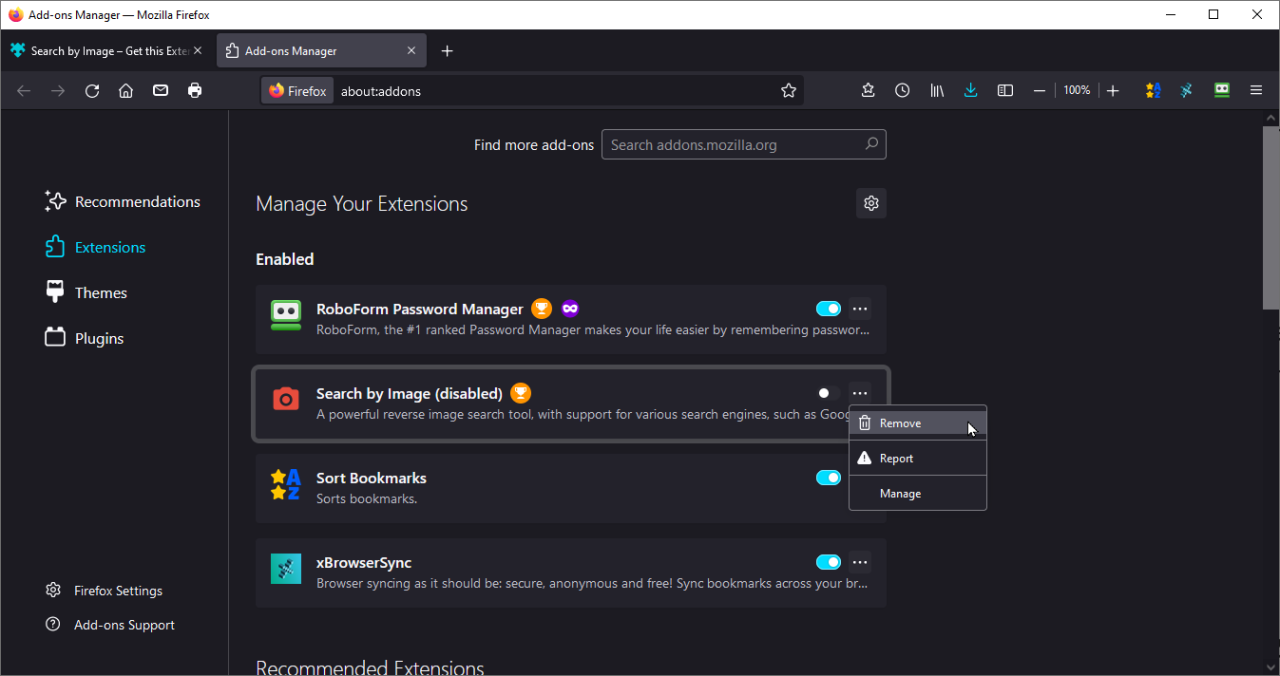
- Regular Review: Periodically review your installed extensions. Disable or remove any extensions you no longer use or that are slowing down your browser.
- Organize with Folders: Some browsers allow you to organize your extensions into folders or categories. This can help you visually group related extensions, such as savings tools, and make it easier to find them.
- Pinning and Unpinning: Use the “pin” feature in your browser to keep frequently used extensions visible in your toolbar. Unpin extensions you rarely use to keep the toolbar clean and uncluttered.
- Privacy and Security: Pay attention to the permissions requested by each extension. Only install extensions from reputable sources and review the permissions carefully to ensure they align with your privacy preferences.
- Extension Updates: Ensure that your extensions are always up-to-date. Regular updates often include security patches and performance improvements.
By implementing these organizational strategies, you can maintain a streamlined browsing experience while maximizing the benefits of your savings extensions. A well-managed setup is key to achieving the best possible savings outcomes.
Extension Security and Privacy
Using browser extensions for savings offers incredible convenience, but it’s crucial to be mindful of the potential security and privacy risks involved. These extensions, by their nature, require access to your browsing data, which can expose you to vulnerabilities if not managed carefully. Understanding these risks and taking proactive steps to protect your information is paramount to a safe and rewarding savings experience.
Privacy Implications of Browser Extensions
Browser extensions, while enhancing your browsing experience, can collect a significant amount of data about your online activities. This data collection is often necessary for the extension to function effectively, such as tracking prices or applying coupons. However, this data can also be misused if the extension’s security is compromised or if its privacy policies are not transparent.The types of data that extensions may collect include:
- Browsing History: Extensions can track the websites you visit, providing insights into your interests and online behavior.
- Search Queries: Your search terms can be monitored, revealing what you’re looking for and what products or services you’re interested in.
- Personal Information: Some extensions may access and store personal data, such as your name, email address, and even financial details, especially if you use the extension to make purchases or manage accounts.
- Location Data: Certain extensions might access your location, allowing them to personalize your experience or provide location-based savings.
- Cookies and Website Data: Extensions can read and modify cookies, which are small text files used by websites to store information about you. They can also access and manipulate data stored by websites.
It’s essential to remember that all this information can be exploited. For instance, if an extension is hacked, your browsing history, login credentials, and other sensitive data could be exposed to malicious actors. Furthermore, some extensions might sell your data to third parties for advertising or other purposes. This highlights the importance of carefully evaluating the privacy practices of any extension before installing it.
Ensuring Data Security with Browser Extensions
Protecting your data while using savings extensions requires a multi-faceted approach. You should prioritize the security of your browser and be vigilant about the extensions you choose to install.Here are some key steps to enhance your data security:
- Install Extensions from Reputable Sources: Only download extensions from official browser stores (e.g., Chrome Web Store, Firefox Add-ons). These stores have security measures in place to vet extensions, although they are not foolproof.
- Read Reviews and Check Ratings: Before installing an extension, read user reviews and check its ratings. Look for extensions with a good reputation and positive feedback.
- Review Extension Permissions: Pay close attention to the permissions an extension requests. If an extension requests access to data that seems unnecessary for its function, it’s a red flag.
- Keep Extensions Updated: Regularly update your browser and extensions to patch security vulnerabilities. Updates often include important security fixes.
- Use a Strong Password Manager: A password manager can help you create and store strong, unique passwords for your online accounts, reducing the risk of account compromise.
- Enable Two-Factor Authentication (2FA): Wherever possible, enable 2FA on your online accounts. This adds an extra layer of security by requiring a second verification method, such as a code from your phone, in addition to your password.
- Be Wary of Suspicious Extensions: If an extension seems too good to be true, or if it’s from an unknown developer, it’s best to avoid it.
- Regularly Review Installed Extensions: Periodically review the extensions you have installed and remove any that you no longer use or that you suspect might be malicious.
- Use a VPN: A Virtual Private Network (VPN) encrypts your internet traffic and masks your IP address, adding an extra layer of privacy and security, especially when using public Wi-Fi.
Managing Extension Permissions and Settings
Carefully managing extension permissions is critical for maintaining your privacy and security. Browser extensions require specific permissions to access different aspects of your browsing data, and these permissions should be granted thoughtfully.Here’s how to manage extension permissions and settings effectively:
- Understand Permissions: Before installing an extension, carefully review the permissions it requests. Permissions define what the extension can access, such as your browsing history, cookies, or location. If the requested permissions seem excessive or unrelated to the extension’s functionality, reconsider installing it.
- Limit Access: If possible, limit the scope of an extension’s access. For example, some extensions allow you to restrict their functionality to specific websites instead of all websites. This minimizes the data they can collect.
- Review Permissions Regularly: Periodically review the permissions granted to your installed extensions. Browsers often provide a dedicated settings page where you can view and modify extension permissions.
- Disable Unused Extensions: If you’re not actively using an extension, disable it. This prevents it from accessing your data in the background and reduces the risk of potential security threats.
- Remove Unnecessary Extensions: Remove extensions that you no longer need or trust. This is a straightforward way to reduce your attack surface and protect your data.
- Check Extension Settings: Explore the settings of each extension. Some extensions offer privacy-related settings that allow you to control how they collect and use your data. For example, you might be able to disable data tracking or choose not to share your data with third parties.
- Use Browser’s Built-in Security Features: Take advantage of the security features built into your browser, such as the ability to block third-party cookies or enable a “Do Not Track” request.
By following these guidelines, you can significantly reduce the risks associated with using browser extensions and enjoy the benefits of automatic savings while safeguarding your personal data.
Examples of Savings in Action
Browser extensions provide real-world savings for users across various online shopping categories. Many individuals have successfully used these tools to reduce their spending and optimize their budgets. These examples illustrate the practical application and effectiveness of savings extensions.
Real-Life Savings Experiences
Numerous users have reported significant savings thanks to browser extensions. These experiences highlight the diverse ways extensions can be utilized.
“I was planning a trip and used the Honey extension. It automatically applied coupons at checkout and found a discount on a hotel booking. I saved $75 on my hotel stay and another $30 on a rental car. It was incredibly easy, and I didn’t have to search for coupons myself!”
Sarah M., Travel Savings
“I was purchasing a new laptop and used the Rakuten extension. It offered cashback on my purchase. I received 5% back on a $1,200 laptop, which translated to $60 back in my account. I would not have known about the cashback offer without the extension.”
John D., Electronics Purchase
“I always shop for clothes online. I use the Capital One Shopping extension. It automatically searches for better prices and applies them. I saved $20 on a new dress from a department store. It’s become a staple for all my online clothing purchases.”
Emily L., Clothing Savings
Effective Purchase Categories
Browser extensions are particularly effective in specific online shopping categories where discounts and price fluctuations are common. These categories provide significant opportunities for savings.
- Travel: Extensions like Honey, Rakuten, and others can help users find discounts on flights, hotels, and car rentals. They often automatically apply coupon codes or alert users to price drops.
- Electronics: Price comparison tools and cashback extensions are valuable for electronics purchases. Users can compare prices across multiple retailers and receive cashback rewards.
- Clothing and Apparel: Coupon finders and price comparison extensions are helpful in this category. These extensions automatically search for available coupons and apply them at checkout, leading to substantial savings.
- Home Goods: Extensions often offer cashback on furniture, appliances, and other home essentials. Price comparison features can help users find the best deals.
- Grocery Shopping: Some extensions integrate with grocery delivery services, offering coupons and cashback on everyday items.
Potential Savings Across Online Shopping Categories
The potential for savings varies across different online shopping categories, depending on the frequency of discounts, cashback offers, and price fluctuations.
For example, in the electronics category, users can save significantly due to frequent sales and promotions. A study by RetailMeNot indicated that consumers can save an average of 15% on electronics purchases using coupons and cashback offers. Travel offers similar potential, with savings of 10-20% possible through price comparisons and coupon application. Clothing and apparel also offer considerable opportunities for savings, as discounts are regularly available.
Furthermore, grocery shopping can benefit from coupon automation, with potential savings of 5-10% on each purchase, depending on the frequency of deals.
| Category | Estimated Savings Range | Factors Influencing Savings |
|---|---|---|
| Electronics | 10-20% | Sales frequency, cashback offers, price comparison |
| Travel | 10-20% | Coupon application, price drops, package deals |
| Clothing & Apparel | 10-15% | Coupon codes, sales events, cashback offers |
| Home Goods | 5-15% | Sales promotions, cashback programs, price matching |
| Grocery | 5-10% | Coupon automation, cashback on specific products |
Conclusion
In conclusion, mastering the art of using browser extensions for automatic savings empowers you to shop smarter and save money effortlessly. By understanding the features, security, and advanced techniques discussed, you can transform your online shopping habits and make every purchase a rewarding experience. Embrace the power of these tools, and watch your savings grow with every click. So, start exploring, comparing, and saving – your wallet will thank you!