Imagine a world where you always get the best deal, never overpaying for anything you buy. That world is closer than you think, thanks to price comparison apps! This guide, focusing on “How to Use Price Comparison Apps to Never Overpay,” will unlock the secrets of these powerful tools, transforming you from a casual shopper into a savvy bargain hunter.
We’ll explore how these apps work, from their humble beginnings to their current sophistication, and how they can significantly boost your savings. Prepare to be amazed by the potential savings and the ease with which you can start saving money today.
Price comparison apps have revolutionized the way we shop, providing a simple yet effective way to compare prices across various retailers and online platforms. They scour the internet, gathering data on millions of products, from electronics and travel to groceries and everyday essentials. By using these apps, you can easily identify the best deals, compare product features, and even track price fluctuations over time.
This guide will provide a step-by-step approach, starting with selecting the right apps, customizing them to your needs, and mastering advanced techniques for maximum savings. We’ll delve into the strategies retailers use and how to navigate them effectively, ensuring you’re always one step ahead.
Introduction: The Power of Price Comparison Apps
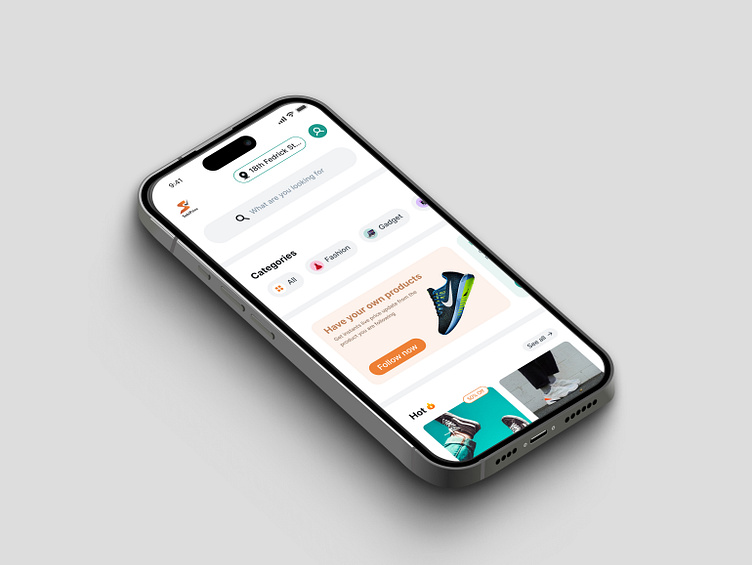
Price comparison apps are your digital allies in the quest for smart shopping. These apps scour the internet, comparing prices from various retailers for the same product, empowering you to find the best deals and avoid overpaying. They’re like having a personal shopping assistant that tirelessly searches for the lowest prices, saving you time and money.These apps have evolved significantly, transforming the way consumers make purchasing decisions.
Core Functionality of Price Comparison Apps
Price comparison apps operate by aggregating product information from multiple sources. They typically use automated systems, such as web scraping, to gather data from various online retailers, including major e-commerce platforms and smaller specialized stores. This data includes product names, descriptions, images, and, most importantly, prices. The app then presents this information in an easy-to-understand format, allowing users to quickly compare prices across different vendors.
A Brief History and Evolution
The genesis of price comparison apps can be traced back to the early days of the internet. The initial price comparison tools were simple websites that manually compiled price data. As e-commerce grew, so did the sophistication of these tools.
- Early 2000s: Basic price comparison websites emerged, focusing on electronics and books. These sites relied on manual data entry and had limited functionality.
- Mid-2000s: The rise of APIs (Application Programming Interfaces) allowed for more automated data collection. Price comparison websites began integrating these APIs to pull data directly from retailers’ databases.
- Late 2000s – Early 2010s: The introduction of smartphones led to the development of mobile price comparison apps. These apps offered enhanced features like barcode scanning and location-based price comparisons.
- Present: Price comparison apps are now highly sophisticated, leveraging machine learning and AI to personalize search results, track price fluctuations, and provide advanced features like cashback offers and price alerts.
Potential Savings for Users
The potential savings from using price comparison apps are significant. Numerous studies and real-world examples demonstrate the tangible benefits of these tools. The amount saved varies depending on the product, the retailer, and the user’s shopping habits, but the cumulative effect can be substantial.
- Electronics: Consumers can often save between 10% and 30% on electronics purchases by comparing prices across different retailers. For example, a new laptop that costs $1,000 at one store might be available for $850 at another, resulting in a saving of $150.
- Clothing and Apparel: Price comparison apps can help users find discounts and deals on clothing, potentially saving up to 40% or more, especially during sales seasons. A dress originally priced at $100 could be found for $60 using price comparison tools.
- Travel: When booking flights and hotels, price comparison apps are invaluable. Users can save an average of 15% to 25% on travel expenses by comparing prices from various booking sites. A round-trip flight that costs $500 could be found for $400 using these apps.
- Groceries: Although less common, some apps compare grocery prices, particularly for non-perishable items. Savings can range from 5% to 15% by choosing the most affordable retailer.
The general rule is: the more you shop, the more you save.
Identifying the Right Price Comparison Apps
Choosing the right price comparison app is crucial to maximizing your savings. Not all apps are created equal, and understanding the key features and considering user feedback will help you select the best tools for your needs. This section explores how to identify the most effective price comparison apps to ensure you never overpay.
Key Features to Look For in Price Comparison Apps
When evaluating a price comparison app, several features contribute to its effectiveness and usability. These features help streamline the shopping process and ensure you find the best deals available.
- Comprehensive Product Coverage: The app should cover a wide range of products and retailers. A broader scope increases the likelihood of finding the best price. For example, an app that compares prices across electronics, clothing, and groceries is generally more useful than one limited to a single product category.
- Real-time Price Updates: Price fluctuations are common. The app should provide up-to-the-minute price comparisons to reflect current market conditions. This is particularly important for items with volatile pricing, such as airline tickets or electronics.
- User-Friendly Interface: A clean, intuitive interface makes the app easier to navigate. Features like clear search functions, filters, and sorting options enhance the user experience. An uncluttered design prevents information overload and makes finding deals more efficient.
- Price History Tracking: The ability to view price history allows you to identify trends and determine if a current price is a good deal. This feature is valuable for assessing whether a sale price is genuinely discounted.
- Deal Alerts and Notifications: Customizable alerts that notify you of price drops on specific items or from specific retailers can save you time and ensure you don’t miss out on deals. This is especially useful for frequently purchased items.
- Barcode Scanning: The ability to scan product barcodes in physical stores enables instant price comparisons against online retailers. This feature is particularly helpful when shopping in-store to avoid impulse purchases at higher prices.
- Retailer Coverage: The app should include comparisons from a variety of retailers, including major online marketplaces, smaller specialty stores, and local retailers (if applicable). This breadth of coverage increases your chances of finding the lowest price.
Importance of User Reviews and Ratings in App Selection
User reviews and ratings provide valuable insights into an app’s reliability, functionality, and overall user experience. They offer perspectives beyond the app developer’s claims, highlighting both the strengths and weaknesses of the app.
- Assess Accuracy and Reliability: Reviews often comment on the accuracy of price comparisons and the reliability of the information provided. Users can identify apps that consistently provide incorrect or outdated pricing.
- Evaluate User Experience: Reviews highlight usability issues, such as navigation problems, slow loading times, or frequent crashes. They provide insights into the app’s overall user-friendliness.
- Gauge Customer Support: Reviews often mention the quality of customer support, including response times and the helpfulness of the support team. Good customer support is essential if you encounter any issues.
- Identify Hidden Costs or Issues: Reviews may reveal hidden costs, such as subscription fees, or issues like excessive advertising. They help users make informed decisions about whether to use the app.
- Understand Frequency of Updates: User feedback often indicates how frequently the app is updated and whether these updates address bugs or add new features. Regular updates improve the app’s functionality and user experience.
- Check for Compatibility: Reviews may indicate whether the app functions well on different devices and operating systems. This ensures the app is compatible with your devices.
Comparison of Popular Price Comparison Apps
The following table compares the strengths and weaknesses of some popular price comparison apps. This analysis will help you choose the app that best suits your needs.
| App Name | Strengths | Weaknesses |
|---|---|---|
| PriceRunner |
|
|
| Google Shopping |
|
|
| CamelCamelCamel |
|
|
Setting Up and Customizing Your Apps
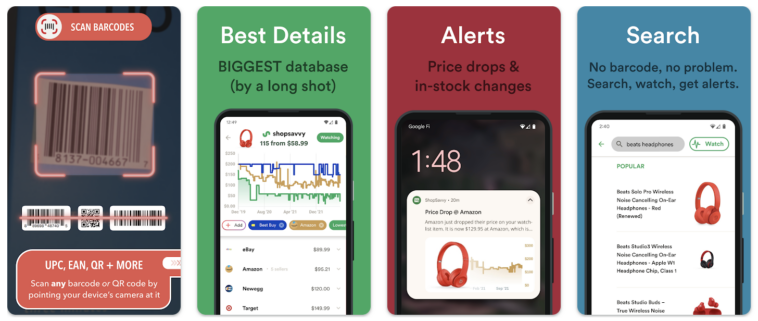
Now that you’ve identified the best price comparison apps for your needs, it’s time to get them up and running on your devices. This section will guide you through the download, installation, account creation, and customization processes, ensuring you can start saving money right away. Properly configuring these apps is crucial to maximizing their effectiveness and tailoring them to your specific shopping habits.
Downloading and Installing Price Comparison Apps
The first step is getting the apps onto your phone or tablet. The process is straightforward, but it varies slightly depending on your device’s operating system.
For Android devices:
- Open the Google Play Store app on your device. This app is usually represented by a multicolored triangle icon.
- In the search bar at the top, type the name of the price comparison app you want to download (e.g., “PriceRunner,” “ShopSavvy,” or the app you chose in the previous section).
- Tap the app’s icon in the search results. This will open the app’s detail page.
- Tap the “Install” button. The app will begin downloading and installing automatically.
- Once the installation is complete, tap the “Open” button to launch the app.
For iOS devices (iPhones and iPads):
- Open the App Store app on your device. This app is usually represented by a blue “A” icon.
- In the search bar at the bottom of the screen, tap the “Search” tab.
- Type the name of the price comparison app in the search bar (e.g., “PriceZombie,” “BuyVia,” or the app you chose in the previous section).
- Tap the app’s icon in the search results. This will open the app’s detail page.
- Tap the “Get” button, then tap “Install.” You may be prompted to enter your Apple ID password or use Face ID/Touch ID to authorize the download.
- Once the installation is complete, tap the “Open” button to launch the app.
For web browser extensions (if applicable):
- Open your preferred web browser (e.g., Chrome, Firefox, Safari, Edge).
- Go to the website of the price comparison app or the browser’s extension store.
- Search for the extension by its name.
- Click the “Add to [browser name]” button or a similar button. You may need to confirm the installation.
- Once installed, the extension icon will typically appear in your browser’s toolbar.
Creating an Account and Personalizing App Settings
After installing the app, you’ll likely need to create an account to unlock its full potential. Account creation allows you to save searches, track prices, and receive personalized recommendations. Personalizing the settings ensures the app caters to your specific needs and preferences.
Account Creation:
- Open the price comparison app.
- Look for a button or link that says “Sign Up,” “Create Account,” or “Register.”
- Enter the required information, such as your email address, a password, and possibly your name. Some apps also allow you to sign up using your Google or Facebook account for convenience.
- Read and agree to the app’s terms of service and privacy policy.
- Verify your email address, if required. The app will usually send a verification email with a link you need to click.
- Log in to your new account.
Personalizing App Settings:
Once logged in, navigate to the app’s settings menu. This is usually found by tapping an icon that looks like a gear, three horizontal lines (hamburger menu), or your profile picture. Within the settings, you’ll typically find options to customize the following:
- Location: Set your location to ensure the app displays prices from retailers in your area. Some apps automatically detect your location, while others require you to enter a zip code or city.
- Currency: Select your preferred currency to view prices in your local money.
- Notification Preferences: Customize the types of notifications you want to receive, such as price drop alerts or new deals.
- Search Filters: Set default filters for your searches, such as brand preferences, price ranges, and shipping options.
- Saved Items/Watchlist: This section allows you to view items you have previously saved and are tracking, to keep an eye on price changes.
Designing a Guide for Setting Up Price Alerts and Notifications
Price alerts are a game-changer for savvy shoppers. They notify you when the price of a product drops below a certain threshold, allowing you to snag deals before they disappear. The exact process varies slightly depending on the app, but the general steps are similar.
- Find the Product: Search for the product you want to track within the app. This could be by typing the product name, scanning a barcode, or browsing through categories.
- Access Price Tracking Options: Once you’ve found the product, look for an option to “Track Price,” “Set Price Alert,” “Add to Watchlist,” or a similar feature. This is usually indicated by a bell icon, a heart icon, or a “Track” button.
- Set Your Price Threshold: You’ll be prompted to enter the price at which you want to be notified. This could be a specific dollar amount or a percentage discount off the current price.
- Choose Notification Method: Select how you want to receive the alert. Common options include push notifications (on your phone), email notifications, or both.
- Customize Notification Frequency (Optional): Some apps allow you to control how often you receive alerts, such as immediately, daily, or weekly.
- Save Your Alert: Confirm your settings and save the price alert.
Example: Imagine you are interested in a specific model of noise-canceling headphones. The current price is $250. Using a price comparison app, you set a price alert for $200. The app will monitor the price of the headphones and notify you if the price drops to $200 or below. Based on historical data, similar headphones have gone on sale for around $200-$210 during seasonal sales events like Black Friday, which can help you determine a reasonable alert price.
This strategy enables you to potentially save $50 or more, all while doing nothing but waiting for the app to notify you.
Searching and Comparing Products Effectively
Effectively searching and comparing products within price comparison apps is crucial for maximizing savings. Mastering the search process, refining results, and understanding the presented information are essential skills. This section will guide you through these key aspects, ensuring you can find the best deals.
Conducting Effective Searches
A successful search begins with clear and concise search terms. Using specific s and utilizing the app’s filtering options are vital for efficient product comparison.
- Be Specific: Instead of searching for “headphones,” search for “Sony WH-1000XM5 noise cancelling headphones.” Specificity reduces irrelevant results.
- Use Product Codes: If you know the product’s model number (e.g., “Apple iPhone 14 Pro A2890”), use it. This ensures you’re comparing the exact same item.
- Utilize Search Filters: Price comparison apps offer various filters, such as price range, brand, seller, and features. Use these filters to narrow your search and find the most relevant results. For example, filter by “in stock” to avoid disappointment.
- Experiment with Synonyms: If your initial search yields limited results, try using synonyms. For instance, if searching for “running shoes,” also try “athletic shoes” or “sneakers.”
- Check for Typos: Typos can significantly impact search results. Double-check your spelling before submitting your search.
Refining Search Results for Best Deals
Once initial search results are displayed, refining them is key to uncovering the best deals. This involves analyzing the data presented and strategically applying filters.
- Sort by Price: Always sort results by price, from lowest to highest. This allows you to quickly identify the most affordable options.
- Prioritize Deals: Look for results that highlight deals, such as “on sale” or “discounted.” Many apps will indicate price drops or special offers.
- Consider Shipping Costs: Factor in shipping costs when comparing prices. Sometimes, a slightly higher-priced item with free shipping is cheaper overall.
- Check Seller Ratings: Evaluate seller ratings and reviews to ensure you’re buying from a reputable source. Avoid sellers with consistently negative feedback.
- Compare Warranty Information: Review the warranty details offered by different sellers. A longer warranty period can be a valuable consideration, especially for electronics.
- Monitor Price History: Some apps provide price history charts. These charts can reveal price fluctuations and help you determine if the current price is a good deal or if you should wait for a better one.
Interpreting and Understanding App Information
Price comparison apps present information in various formats. Knowing how to interpret these formats is crucial for making informed purchasing decisions.
- Understand the Price Breakdown: The app will typically display the product price, shipping costs (if any), and any applicable taxes. Ensure you understand the total cost.
- Read Seller Information: Pay close attention to the seller’s name, location, and contact information. This information is crucial for potential returns or customer service inquiries.
- Examine Product Specifications: The app will often provide product specifications, such as dimensions, weight, and features. Verify that the specifications match your requirements.
- Review Customer Reviews: Customer reviews provide valuable insights into the product’s quality, performance, and reliability. Read multiple reviews to get a balanced perspective.
- Identify Price Alerts: Many apps allow you to set price alerts. Set alerts for the products you’re interested in to be notified when the price drops.
- Use Price Comparison Charts: Some apps display price comparison charts, showing the price history of a product over time. This allows you to visualize price trends and make informed decisions about when to buy.
- Be Aware of “Sponsored” Results: Price comparison apps sometimes include “sponsored” listings. These are paid advertisements and may not always represent the best deals. Carefully evaluate these listings and compare them with other options.
Understanding Different Pricing Strategies
Retailers employ various pricing strategies to attract customers and maximize profits. Price comparison apps provide valuable insights into these strategies, helping consumers make informed purchasing decisions. Understanding these strategies allows users to identify deals and avoid being misled by marketing tactics.
Common Pricing Strategies
Retailers use several pricing methods to influence consumer behavior. Price comparison apps help uncover these strategies, revealing the true cost of products.
- Cost-Plus Pricing: This is a straightforward method where the retailer adds a markup to the cost of the product. The app helps users determine if the markup is reasonable by comparing the price to similar products from other retailers.
- Value-Based Pricing: Prices are set based on the perceived value of the product to the customer. Price comparison apps can show if a product’s price aligns with its features and benefits compared to competitors.
- Competitive Pricing: Retailers set prices based on their competitors’ prices. The app helps users see how a product’s price compares to the market average, indicating if it’s competitively priced.
- Premium Pricing: Products with unique features or strong brand recognition are priced higher. The app allows users to evaluate if the premium price is justified by comparing features and customer reviews.
- Psychological Pricing: Prices are set to influence the customer’s perception, such as using prices ending in .99. The app helps users see through these tactics by comparing the price to the actual cost of the product.
Sales and Promotions: Discounts, Coupons, and Bundles
Sales and promotions are frequently used to entice customers. Price comparison apps make it easier to evaluate these offers and determine their true value.
- Discounts: A percentage reduction from the original price. Price comparison apps show the original price and the discounted price, helping users calculate the actual savings. For example, a shirt originally priced at $50 with a 20% discount would be $40. The app clearly displays both values, making it easy to assess the deal.
- Coupons: Offer specific price reductions or benefits. The app can help find and apply coupons automatically or compare prices with and without coupon codes.
- Bundles: Grouping multiple products together at a discounted price. Price comparison apps allow users to compare the bundle price to the individual prices of the items, revealing the actual savings. For instance, a bundle including a razor and blades at a reduced cost compared to purchasing them separately is easily evaluated.
Identifying Hidden Fees and Charges
Hidden fees and charges can significantly increase the final cost of a purchase. Price comparison apps help users identify these extra costs before making a purchase.
- Shipping Costs: Apps can display shipping fees from different retailers, enabling users to choose the most cost-effective option. For example, when purchasing a book online, the app will show shipping fees from various vendors to assist users in choosing the most affordable offer.
- Taxes: The app may estimate the tax based on the user’s location. This helps users understand the total cost before checkout.
- Service Fees: Some retailers charge extra fees for services like installation or extended warranties. The app may provide information about these fees, ensuring transparency in the purchase.
- Subscription Fees: If the product requires a subscription, the app will show the recurring cost, so users can assess the long-term expense.
Maximizing Savings
Now that you’re a price comparison app pro, it’s time to level up your savings game! This section delves into advanced techniques and strategies to squeeze every last penny of potential savings out of your price comparison app usage. We’ll explore how to leverage price matching, cashback programs, and other smart tactics to ensure you’re always getting the best deal possible.
Advanced Techniques for Using Price Comparison Apps
Price comparison apps offer a powerful foundation, but mastering advanced techniques can significantly amplify your savings. These methods often require a little more effort but yield substantial rewards.* Price Matching: Many retailers offer price matching, meaning they’ll match a lower price found at a competitor. This can be a goldmine, especially when combined with price comparison apps.
First, identify the product you want and find its lowest price using your price comparison app.
Then, check the price matching policies of the retailers you’re considering. Look for information about what qualifies (e.g., must be identical item, in-stock, from a legitimate retailer). Present the lower price (screenshot from your app or the competitor’s website) to the retailer. Often, you can do this online or in-store.
If the retailer matches the price, you’ve instantly saved!
For example, imagine you find a new blender on Amazon for $75. Your price comparison app reveals that Target sells the same blender for $70. If Target offers price matching, you can show them the Amazon price and potentially get the blender for $70.
Cashback Programs
Integrate cashback programs with your price comparison app usage for an extra layer of savings. Several apps and websites offer cashback on purchases made through their links.
Before making a purchase, check if the price comparison app or the retailer’s website has a cashback offer available.
If so, click through the cashback link before making your purchase.
The cashback amount (a percentage of your purchase) will be credited to your account, often after a waiting period.
Consider this scenario: You’re buying a new laptop. Your price comparison app finds the best price at Best Buy. Before purchasing, you check a cashback website and find a 3% cashback offer for Best Buy purchases. You click through the cashback link, buy the laptop, and later receive 3% of the laptop’s price back.
Coupon Integration
Some price comparison apps also integrate coupon codes. Always check for available coupons before completing a purchase. This can lead to additional discounts beyond the base price comparison.
Consider Refurbished or Used Options
For some products, like electronics, consider comparing prices for refurbished or used items. Price comparison apps can sometimes include these options, offering significant savings. Be sure to assess the condition and warranty before purchasing.
Monitor Price Drops
Set up price alerts within your price comparison app to track price fluctuations over time. This allows you to buy when the price hits your desired level.
Combining Price Comparison Apps with Other Money-Saving Strategies
Price comparison apps are even more effective when combined with other smart money-saving strategies. Here are some synergistic approaches.* Use Credit Card Rewards: Maximize your rewards by using a credit card that offers cashback or points on your purchases. Pair this with your price comparison app to get the best priceand* earn rewards.
-
Plan Your Purchases
Don’t make impulse buys. Create a shopping list and use your price comparison app to research prices
- before* you need the item.
Take Advantage of Sales and Promotions
Combine your price comparison app with knowledge of seasonal sales, holiday promotions, and clearance events.
Consider Bulk Buying
If you frequently use a product, check if buying it in bulk offers a lower price per unit. Use your price comparison app to compare bulk prices from different retailers.
Shop with Loyalty Programs
If you’re a member of a store’s loyalty program, factor in any potential discounts or rewards when comparing prices.
Check for Free Shipping
Always factor in shipping costs. Some retailers offer free shipping over a certain amount, which can significantly impact the overall price.
Decision-Making Process Flowchart for Comparing Prices and Making a Purchase
This flowchart visually represents the decision-making process when using a price comparison app. It Artikels the steps from identifying a product to completing a purchase, highlighting the key considerations at each stage.[Flowchart Description: The flowchart begins with “Identify Product to Purchase.” From there, the process branches out. First, “Use Price Comparison App.” This leads to a decision point: “Price Found?” If “No,” the flowchart advises, “Consider Alternative Products/Retailers.” If “Yes,” it moves to “Check Retailer Reputation/Reviews.” Then another decision point: “Satisfied?” If “No,” the flowchart advises, “Consider Alternative Retailers.” If “Yes,” the process continues to “Check Price Matching/Cashback Opportunities.” This leads to “Apply Discounts/Rewards.” The final step is “Make Purchase.” ]
Categories and Examples: Finding Deals on Different Products
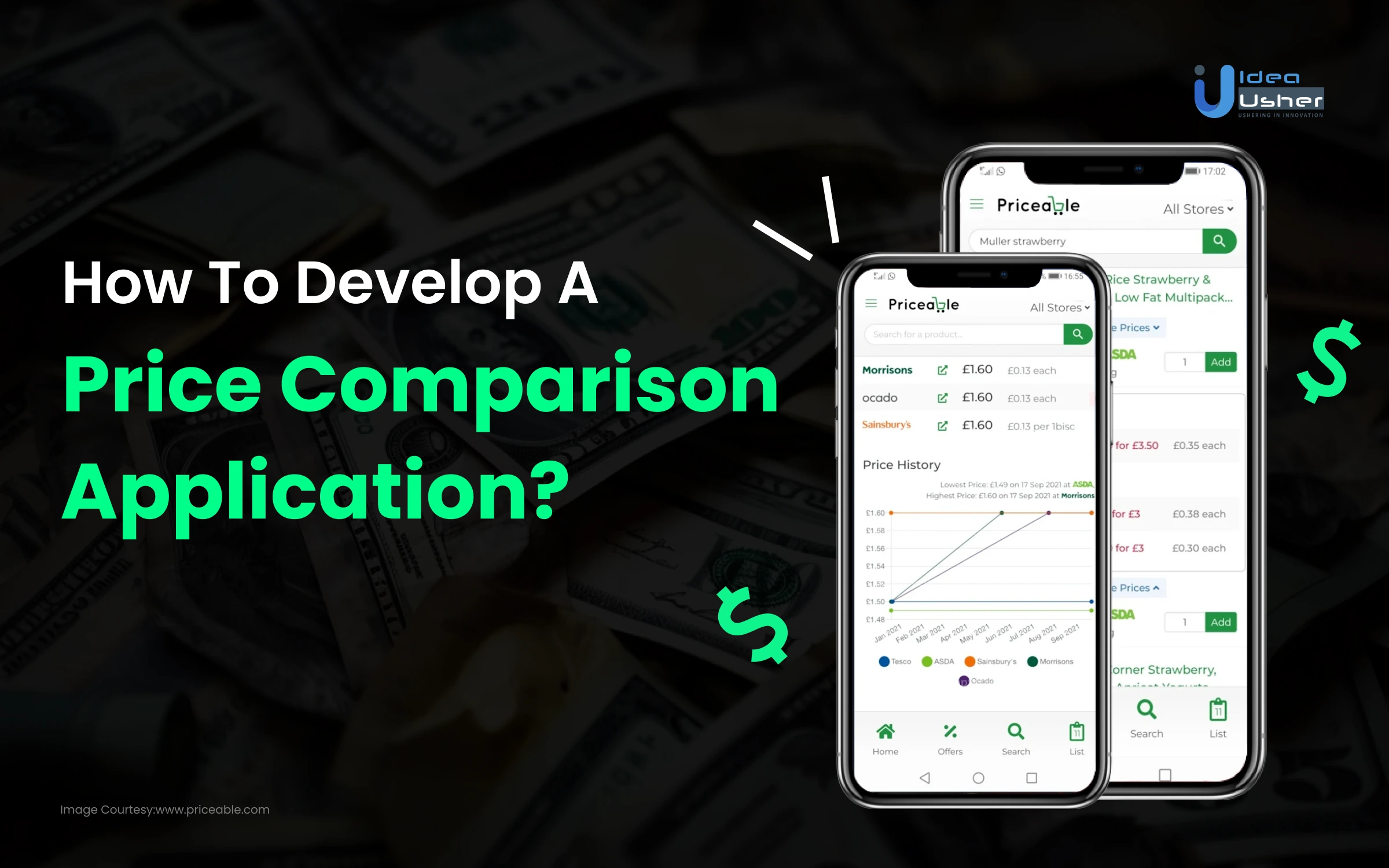
Price comparison apps are incredibly versatile tools, allowing you to hunt for bargains across a wide array of product categories. By understanding how to apply these apps to different types of purchases, you can significantly boost your savings. This section will explore how to leverage price comparison apps to secure the best deals on electronics, travel, accommodation, groceries, and everyday essentials.
Finding Deals on Electronics
Electronics are a significant expense for many, and prices can fluctuate wildly. Price comparison apps are essential for navigating this volatile market. They help you identify the lowest prices, compare specifications, and often track price drops over time.
- Smartphones: Imagine you’re in the market for the latest model smartphone. Price comparison apps can compare prices from various retailers like Amazon, Best Buy, and the manufacturer’s website. For instance, if the phone retails for $800, the app might alert you to a sale at a specific retailer for $700, or even show a refurbished model for $600, allowing you to make an informed decision.
- Laptops: Laptops are another area where price comparison apps excel. Suppose you need a new laptop for work or school. These apps can compare models based on specifications like processor, RAM, and storage, while simultaneously checking prices at multiple stores. You might find the same laptop at different prices, with one retailer offering a bundle deal that includes a free accessory or extended warranty, enhancing the value.
- Televisions: When buying a new TV, factors like screen size, resolution, and smart features are important. Price comparison apps help you filter based on these criteria and compare prices. For example, a 65-inch 4K smart TV might be priced differently at various stores. An app could highlight a sale at one retailer, perhaps with free shipping, while another offers a lower price but charges for delivery.
The app helps you consider all factors before purchasing.
Using Apps for Travel and Accommodation
Travel and accommodation costs can quickly add up. Price comparison apps are powerful tools for finding the best deals on flights, hotels, and vacation rentals. They aggregate data from numerous booking sites, making it easier to compare options and find savings.
- Flights: Price comparison apps for flights allow you to compare prices across airlines and travel agencies. You can set up price alerts to be notified when fares drop for your desired routes and dates. For example, if you’re planning a trip from New York to Los Angeles, the app can track prices from various airlines, alerting you when a deal emerges, potentially saving you hundreds of dollars.
These apps also provide information about baggage fees, seat selection costs, and other add-ons, allowing for a comprehensive cost comparison.
- Hotels: Similar to flights, these apps enable you to compare hotel prices from various booking sites. You can filter by location, amenities, and rating. For instance, if you’re looking for a hotel in Paris, the app will show you prices from different platforms, allowing you to find the best deal. It also helps you compare the same hotel room across different booking sites, highlighting any discounts or promotions.
- Vacation Rentals: Apps also cover vacation rentals, comparing prices and availability on platforms like Airbnb and VRBO. You can search for rentals based on your criteria, such as the number of bedrooms, location, and amenities. For example, if you are looking for a beachfront property in Miami, the app will display a list of available rentals with prices and reviews, helping you find a suitable and affordable option.
Leveraging Apps for Groceries and Everyday Essentials
Saving money on groceries and everyday essentials can significantly impact your budget. Price comparison apps are becoming increasingly useful for these types of purchases, allowing you to compare prices across different stores and identify the best deals.
- Groceries: Several apps focus on comparing grocery prices. They typically work by allowing you to create a shopping list and then comparing prices at nearby supermarkets. Some apps also incorporate coupon integration, automatically applying digital coupons to your purchases. For example, if you’re buying a basket of groceries, the app will show you the prices at different stores, indicating which store offers the lowest overall cost, along with any available discounts.
- Household Supplies: Price comparison apps can also be used for everyday household supplies, such as cleaning products, toiletries, and paper goods. These apps compare prices from various online retailers and local stores. For instance, when buying laundry detergent, the app can compare prices from Amazon, Walmart, and Target, and alert you to any sales or promotions, allowing you to save money on essential items.
- Personal Care Products: Apps are helpful for comparing the prices of personal care items, such as shampoo, toothpaste, and skincare products. They enable you to find the best deals from different retailers, including drugstores and online platforms. If you’re shopping for a particular brand of shampoo, the app will show you the price variations among different stores, helping you make an informed decision and potentially save money.
Avoiding Scams and Ensuring Safe Shopping
Price comparison apps are fantastic tools, but they can also lead you to potentially unsafe online retailers. It’s crucial to be vigilant and understand how to protect yourself from scams and fraudulent transactions. This section will guide you through identifying potential risks and taking proactive steps to ensure your online shopping experience is secure.
Common Scams and Pitfalls
Online shopping, facilitated by price comparison apps, unfortunately, attracts scammers. Knowing the common tactics used by these individuals is the first step in protecting yourself.
- Fake Websites: Scammers often create websites that mimic legitimate retailers. These sites may have similar designs, logos, and even product descriptions. They lure customers with unbelievably low prices.
- Phishing Emails and Texts: Be wary of unsolicited emails or text messages offering deals that seem too good to be true. These messages might contain links to fake websites or ask for personal information.
- Counterfeit Products: Scammers often sell counterfeit goods, which may look like the real thing but are of inferior quality or do not meet safety standards. Price comparison apps don’t always verify the authenticity of products.
- Payment Scams: Scammers might request payment through untraceable methods like wire transfers or prepaid gift cards. Legitimate retailers typically offer secure payment options such as credit cards and PayPal.
- Non-Delivery of Products: In some cases, scammers take your money and never ship the product. They might disappear after the transaction is complete.
Verifying the Legitimacy of Online Retailers
Before making a purchase, it’s essential to verify the legitimacy of the online retailer, especially if you’ve been directed to it through a price comparison app.
- Check the Website’s Security: Ensure the website uses HTTPS. Look for a padlock icon in the address bar, indicating a secure connection. This encrypts data transmitted between your browser and the website.
- Examine the Contact Information: Legitimate retailers typically provide clear contact information, including a physical address, phone number, and email address. Verify the address using Google Maps or a similar service.
- Read Reviews and Check Ratings: Research the retailer’s reputation by reading customer reviews on independent platforms like Trustpilot, Sitejabber, or the Better Business Bureau (BBB). Pay attention to both positive and negative feedback.
- Look for a Return Policy: A clear and fair return policy is a good sign of a reputable retailer. Review the policy carefully before making a purchase.
- Check for a Privacy Policy: A legitimate website will have a privacy policy that explains how they collect, use, and protect your personal information.
Steps to Take if You Encounter a Suspicious Listing or Transaction
If you suspect a listing is fraudulent or you’ve already made a purchase that seems problematic, take immediate action.
- Document Everything: Save screenshots of the listing, any communication with the seller, and all transaction details.
- Contact the Price Comparison App: Report the suspicious listing to the price comparison app. Many apps have mechanisms for flagging potentially fraudulent listings.
- Contact the Retailer: If you purchased from a specific retailer, contact their customer service to report the issue.
- Contact Your Payment Provider: If you paid by credit card or PayPal, contact your bank or PayPal to dispute the charge. Provide them with all the documentation you’ve gathered. They may be able to reverse the transaction.
- Report to the Authorities: Report the scam to the Federal Trade Commission (FTC) in the United States or your local consumer protection agency. This helps authorities track and investigate scams.
The Future of Price Comparison Apps
The world of price comparison apps is constantly evolving, driven by technological advancements and changing consumer behaviors. As these apps become more sophisticated, they are poised to play an even larger role in how we shop and make purchasing decisions. Understanding the emerging trends and potential future developments is crucial for both consumers and businesses.
Emerging Trends in Price Comparison Apps
Several trends are shaping the future of price comparison apps, creating more personalized and efficient shopping experiences. These innovations are focused on providing users with more relevant information and saving them time and money.
- Personalized Recommendations: Price comparison apps are increasingly using user data and browsing history to offer personalized product recommendations. This involves analyzing past purchases, preferred brands, and even social media activity to suggest relevant products and deals. For instance, an app might recommend a specific type of running shoe based on a user’s previous purchases of athletic apparel and their activity on fitness-related social media.
- Augmented Reality (AR) Integration: AR is being integrated to allow users to visualize products in their own environment before making a purchase. Imagine using your phone to “place” a new sofa in your living room to see how it looks or “try on” different pairs of glasses virtually. This capability can significantly reduce the risk of buyer’s remorse.
- Voice Search and Smart Assistants: Integration with voice assistants like Siri, Google Assistant, and Alexa is becoming more common. Users can now simply ask their smart speaker to find the best price for a specific product, making the shopping process even more convenient. For example, “Hey Google, find the best price for a new coffee maker.”
- Subscription and Loyalty Program Integration: Price comparison apps are incorporating features that allow users to manage and compare subscription services, track loyalty points, and identify opportunities to save money on recurring expenses. This could include comparing the cost of different streaming services or finding the best deals on gas based on loyalty rewards.
- Sustainability and Ethical Considerations: Consumers are increasingly concerned about the environmental and social impact of their purchases. Future apps will likely include features that allow users to compare products based on sustainability metrics, ethical sourcing, and fair trade practices.
Impact of Artificial Intelligence and Machine Learning
Artificial intelligence (AI) and machine learning (ML) are set to revolutionize price comparison apps, making them smarter, more efficient, and more personalized. These technologies enable apps to perform complex tasks that were previously impossible.
- Predictive Pricing: AI algorithms can analyze vast amounts of data to predict price fluctuations and identify the best times to buy a product. This includes considering factors such as seasonality, demand, competitor pricing, and economic indicators.
- Automated Price Tracking: ML can automate the process of tracking prices across multiple retailers and identifying price drops in real-time. This frees up users from manually monitoring prices and ensures they never miss a deal.
- Advanced Product Matching: AI-powered image recognition and natural language processing can improve product matching, even when product descriptions or images are slightly different. This helps users find the exact product they are looking for, even if the retailer uses different terminology.
- Personalized Deal Recommendations: ML algorithms can analyze user behavior and preferences to provide highly personalized deal recommendations. This goes beyond basic recommendations based on past purchases and considers factors like browsing history, location, and even social media activity.
- Fraud Detection: AI can be used to identify and flag potentially fraudulent listings or scams, protecting users from deceptive practices. This includes analyzing seller reviews, identifying suspicious pricing patterns, and verifying product authenticity.
Vision for the Future of Price Comparison Apps
The future of price comparison apps involves a seamless, integrated shopping experience that prioritizes user convenience, personalization, and ethical considerations. This evolution will create a more informed and empowered consumer.
- A Single Shopping Hub: Price comparison apps will evolve into comprehensive shopping hubs that integrate all aspects of the shopping journey, from product discovery and price comparison to purchase and post-purchase support. This might include features like integrated payment processing, order tracking, and customer service.
- Proactive Deal Hunting: Apps will proactively search for deals on behalf of users, based on their preferences and needs. For example, a user could set up a “deal alert” for a specific product and receive notifications when the price drops below a certain threshold.
- Hyper-Personalization: AI and ML will enable apps to provide hyper-personalized shopping experiences, tailoring recommendations, deals, and even the app interface to each individual user.
- Emphasis on Transparency and Trust: The future will see a greater emphasis on transparency, with apps providing detailed information about product quality, ethical sourcing, and seller reputation. This builds trust and empowers consumers to make informed decisions.
- Integration with the Metaverse: As the metaverse develops, price comparison apps could integrate virtual shopping experiences, allowing users to browse and compare products in a virtual environment. This opens up new possibilities for product visualization and immersive shopping experiences.
Final Conclusion
In conclusion, mastering “How to Use Price Comparison Apps to Never Overpay” is more than just learning about apps; it’s about adopting a smart shopping mindset. From understanding pricing strategies to avoiding scams, this guide equips you with the knowledge and tools to navigate the world of online shopping confidently. Remember to stay vigilant, compare carefully, and always prioritize your security.
As price comparison apps continue to evolve, integrating AI and other advanced technologies, the future of smart shopping is bright. Embrace these tools, and you’ll be well on your way to becoming a savvy shopper who always gets the best value for their money.