Embark on a journey to transform your grocery shopping habits and significantly reduce food waste! This guide, focusing on “How to Reduce Food Waste with Smarter Grocery Shopping,” unveils the environmental and economic benefits of mindful consumption. We’ll explore practical strategies, from meal planning and smart shopping techniques to proper food storage and creative leftover management, equipping you with the knowledge to minimize waste and maximize your grocery budget.
Food waste is a global problem, contributing significantly to greenhouse gas emissions and financial losses for consumers and businesses. By adopting smarter grocery shopping practices, we can make a positive impact on the environment and our wallets. This comprehensive guide will provide you with actionable steps to reduce waste, from understanding food labels and embracing imperfect produce to utilizing technology for meal planning and tracking.
Let’s dive in and transform the way you shop and eat!
Understanding Food Waste: The Problem and Its Impact
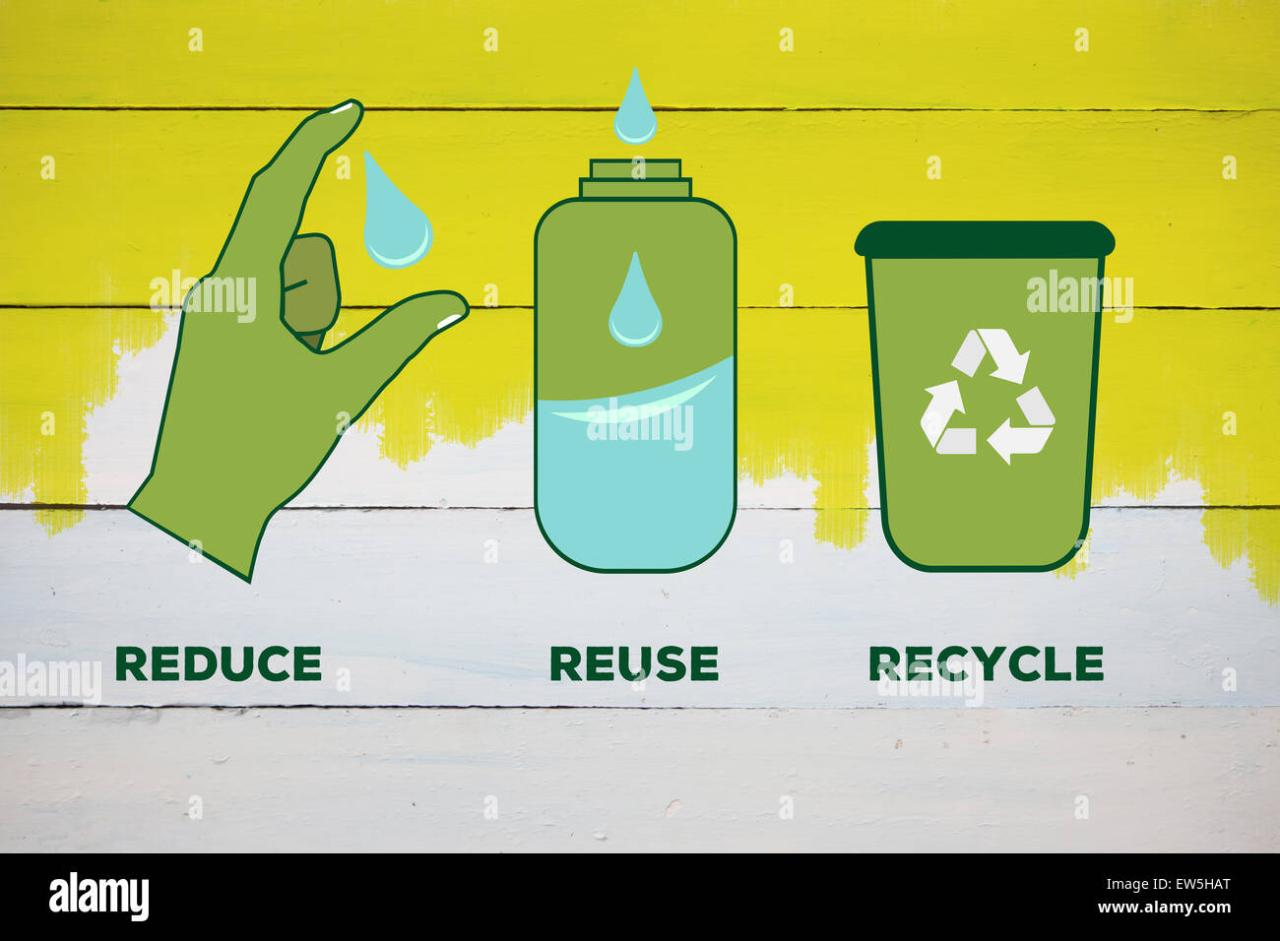
Food waste is a significant global issue with far-reaching consequences, impacting the environment, economy, and society. This section will delve into the complexities of food waste, highlighting its detrimental effects and the urgent need for effective solutions.
Environmental Consequences of Food Waste
Food waste contributes significantly to greenhouse gas emissions, exacerbating climate change. The production, transportation, and disposal of food all contribute to environmental damage.
Approximately 8-10% of global greenhouse gas emissions are associated with food waste.
The environmental impact can be broken down into several key areas:
- Greenhouse Gas Emissions: When food decomposes in landfills, it releases methane, a potent greenhouse gas. Methane has a significantly higher global warming potential than carbon dioxide. The entire lifecycle of wasted food, from farm to landfill, also involves energy consumption and emissions.
- Water Usage: Producing food requires substantial water resources. Wasted food represents wasted water, contributing to water scarcity issues in many regions. Consider the water footprint of producing beef, for example. A significant amount of water is needed to raise cattle.
- Land Degradation: Food production often leads to deforestation and land degradation. When food is wasted, it means that land resources were used unnecessarily.
- Loss of Biodiversity: Agricultural practices, even when producing food that is ultimately wasted, can negatively impact biodiversity through habitat loss and pesticide use.
Global and Local Food Waste Statistics
Understanding the scale of food waste requires examining both global and local data, broken down by sector. These statistics highlight the need for targeted interventions.
- Global Food Waste: Approximately one-third of all food produced for human consumption is wasted globally, which is about 1.3 billion tons per year. This waste occurs at various stages, from farm to fork.
- Household Waste: Households are a significant contributor to food waste, often due to improper storage, over-purchasing, and lack of awareness. In many developed countries, households account for the largest share of food waste.
- Restaurant and Food Service Waste: Restaurants and food service establishments contribute to food waste through plate waste, spoilage, and inefficient portion sizes. This waste can be reduced through menu planning and waste management practices.
- Retail Waste: Retailers discard food due to cosmetic standards, damaged goods, and inventory management issues. Efforts to donate or sell “ugly” produce can help reduce this waste.
- Agricultural Waste: Food is lost or wasted during harvesting, processing, and transportation. Improvements in infrastructure and technology can reduce these losses.
Economic Impact of Food Waste
Food waste has significant economic consequences for both consumers and businesses, leading to financial losses and inefficiencies.
- Consumer Financial Losses: Households lose money when they throw away food. This includes the cost of the food itself, as well as the resources used to purchase, store, and prepare it. A family might waste several hundred dollars or more per year on food that is thrown away.
- Business Financial Losses: Businesses in the food industry, such as restaurants and retailers, also experience financial losses due to food waste. This impacts their bottom line.
- Increased Production Costs: Food waste drives up the demand for food production, which can increase costs for farmers and producers. This can ultimately lead to higher prices for consumers.
- Strain on Resources: The economic impact extends beyond direct financial losses. Food waste strains resources, such as water and energy, which can lead to increased costs for these resources.
Planning Ahead: The Cornerstone of Smarter Grocery Shopping
Planning ahead is the bedrock of smart grocery shopping and a key strategy for significantly reducing food waste. It involves a proactive approach to meal preparation, shopping list creation, and pantry management, all working in concert to minimize unnecessary purchases and spoilage. By dedicating a small amount of time to planning, you can save money, reduce waste, and simplify your weekly routine.
Effective Meal Planning Strategies
Meal planning is the process of deciding what meals you will eat for the week, or longer, and creating a plan to prepare them. It is a fundamental practice for reducing food waste and improving dietary habits.Here are some effective meal planning strategies:
- Weekly Meal Planning: Dedicate a specific time each week, ideally on a weekend, to plan your meals. Consider your schedule, activities, and preferences.
- Theme Nights: Incorporate theme nights into your meal plan, such as “Taco Tuesday” or “Pasta Night.” This simplifies meal selection and shopping.
- Recipe Selection: Choose recipes based on your skill level, available ingredients, and time constraints. Consider recipes that utilize similar ingredients to minimize waste.
- Batch Cooking: Prepare larger quantities of meals or components, like cooked grains or roasted vegetables, to save time during the week.
- Leftover Integration: Plan for leftovers. Designate specific nights for using leftovers or incorporating them into new meals, such as adding leftover roasted chicken to a salad.
Here’s an example of a simple weekly meal plan:
| Day | Meal | Notes |
|---|---|---|
| Monday | Chicken Stir-fry | Use leftover rice from Sunday. |
| Tuesday | Tacos | Use ground beef. |
| Wednesday | Lentil Soup | Make a large batch. |
| Thursday | Pasta with Pesto and Roasted Vegetables | Use leftover roasted vegetables. |
| Friday | Pizza Night | Homemade or store-bought. |
| Saturday | Out to eat/ Takeout | Enjoy a meal outside the home. |
| Sunday | Roast Chicken with Roasted Vegetables and Rice | Cook extra rice for Monday. |
Creating a Detailed Shopping List
Creating a detailed shopping list based on your planned meals is essential to avoid impulse buys and ensure you purchase only what you need. A well-crafted shopping list is a powerful tool in the fight against food waste.Follow these techniques for creating an effective shopping list:
- Review Meal Plan: Start by reviewing your meal plan for the week. Identify all the ingredients needed for each recipe.
- Check Pantry and Refrigerator: Before writing your list, inventory your pantry and refrigerator to avoid buying items you already have.
- Categorize Items: Organize your shopping list by store sections (e.g., produce, dairy, meat, pantry) to streamline your shopping trip. This helps you navigate the store efficiently.
- Quantify Ingredients: Specify the exact quantities needed for each ingredient. This prevents overbuying.
- Include Staples: Add frequently used staples like milk, eggs, and bread, as needed.
- Avoid Impulse Buys: Stick to your list and avoid wandering aimlessly through the store. Resist the temptation to purchase items not on your list.
- Use a Shopping List App: Utilize shopping list apps or digital tools to create, share, and manage your list.
For example, a shopping list for the “Chicken Stir-fry” on the sample meal plan might include:
- Chicken breast (1 lb)
- Broccoli (1 head)
- Carrots (1 bag)
- Soy sauce
- Ginger
- Garlic
- Sesame oil
Inventorying Existing Pantry and Refrigerator Items
Taking inventory of your pantry and refrigerator before shopping is a crucial step in preventing food waste and saving money. It helps you avoid buying duplicates and ensures you utilize existing ingredients before they expire.Here’s how to create a system for inventorying your pantry and refrigerator:
- Regular Inventory: Conduct a quick inventory check before each grocery shopping trip.
- Visual Inspection: Regularly inspect your pantry and refrigerator for items nearing their expiration dates.
- “First In, First Out” (FIFO) Method: Rotate your stock, placing newer items behind older ones. This ensures older items are used first.
- Labeling: Clearly label containers with the date the food was opened or purchased.
- Track Key Ingredients: Keep a running list of items you frequently use, so you know when to replenish them.
- Use-It-Up Meals: Plan meals specifically designed to use up ingredients that are nearing their expiration dates.
For the pantry, you can create a simple checklist. For the refrigerator, a quick visual scan of the shelves is usually sufficient.By implementing these strategies, you can effectively reduce food waste, save money, and streamline your grocery shopping experience.
Smart Shopping Habits
Making smart choices at the grocery store is crucial for reducing food waste. This involves understanding food labels, selecting the right produce, and considering portion sizes. By adopting these habits, you can minimize waste and save money.
Understanding Expiration Dates
Reading and understanding expiration dates is fundamental to making informed purchasing decisions. These dates provide guidance on when a product is at its peak quality or when it’s no longer safe to consume.
- “Sell-by” Date: This date tells the store how long to display the product for sale. It’s not a safety date. You can usually still eat the food for a short period after this date, depending on the product and how it’s stored.
- “Use-by” Date: This date is the last date recommended for the use of the product while at peak quality. For safety, follow the “use-by” date, especially for perishable items like meat, poultry, and dairy products.
- “Best-by” Date: This date indicates when a product will be at its best flavor or quality. It’s not a safety date. Foods can often be consumed after this date, but the taste or texture might not be optimal.
Remember, these dates are primarily about quality, not necessarily safety. Always use your senses (sight, smell, and touch) to determine if a food is still good.
Selecting Produce with Longer Shelf Lives
Choosing produce wisely at the store can significantly extend its shelf life, reducing the likelihood of waste. Different fruits and vegetables have varying lifespans and require different storage conditions.
- Fruits with Longer Shelf Lives:
- Apples: Choose firm apples without bruises. Store them in the refrigerator crisper drawer for several weeks.
- Citrus Fruits (Oranges, Grapefruits, Lemons): Select fruits that are firm and heavy for their size. Store them at room temperature for a week or two, or in the refrigerator for longer storage.
- Pears: Choose firm pears and allow them to ripen at room temperature. Once ripe, store them in the refrigerator.
- Vegetables with Longer Shelf Lives:
- Root Vegetables (Potatoes, Sweet Potatoes, Carrots): Choose firm, unblemished vegetables. Store them in a cool, dark, and dry place. Avoid storing potatoes with onions, as they can cause each other to spoil faster.
- Cabbage: Select firm, tightly packed heads. Store cabbage in the refrigerator crisper drawer.
- Winter Squash (Butternut Squash, Acorn Squash): Choose squash with hard skin and no soft spots. Store them in a cool, dry place.
Buying in Bulk vs. Smaller Quantities
The decision to buy in bulk or smaller quantities depends on several factors, including the type of food, your consumption habits, and storage space. Consider the pros and cons to make the best choice for your needs.
| Category | Buying in Bulk | Smaller Quantities | Examples |
|---|---|---|---|
| Pros | Often cheaper per unit. Reduces packaging waste. | Less likely to spoil before use. Better for trying new products. Easier to store in limited space. | Buying rice, beans, or pasta in bulk can be cost-effective. |
| Cons | Requires more storage space. Can lead to spoilage if not used quickly. May require upfront investment. | Often more expensive per unit. Generates more packaging waste. | Buying a large bag of salad greens that you don’t consume quickly enough. |
| Considerations | Only buy in bulk if you regularly use the item and have adequate storage. Check the expiration date and plan accordingly. | Ideal for perishable items, items you use infrequently, or when you want to try a new product without a large commitment. | If you consume a lot of oatmeal, buying a large container might be a good choice. If you only use a small amount of herbs, buying the smaller package is wiser. |
| Storage | Proper storage is crucial to prevent spoilage. Use airtight containers to preserve freshness. Freeze what you can’t use in a timely manner. | Store items in their original packaging, or transfer them to airtight containers to maintain freshness. | Store bulk grains in airtight containers to prevent pest infestation. Store smaller packages of lettuce in the crisper drawer. |
Proper Food Storage: Extending the Life of Your Groceries
Proper food storage is crucial for minimizing food waste and maximizing the value of your grocery purchases. By understanding how to store different food items correctly, you can significantly extend their shelf life, reduce spoilage, and ultimately save money. This section will provide practical guidance on optimal storage conditions for various food types, helping you keep your food fresh and delicious for longer.
Optimal Storage Conditions for Various Food Types
Different food types require different storage conditions to maintain their quality and prevent spoilage. Understanding these requirements is key to reducing waste.
- Refrigeration: The refrigerator is ideal for storing perishable foods, such as dairy products, cooked meals, leftovers, and many fruits and vegetables. The ideal refrigerator temperature is between 37°F and 40°F (3°C and 4°C). Ensure the refrigerator door seals properly to maintain a consistent temperature. Store raw meats, poultry, and seafood on the lowest shelf to prevent cross-contamination.
- Freezing: Freezing is an excellent method for preserving food for extended periods. It halts microbial growth and enzymatic reactions that cause spoilage. Most foods can be frozen, including fruits, vegetables, meats, and prepared meals. The ideal freezer temperature is 0°F (-18°C) or lower. Proper packaging is essential to prevent freezer burn.
- Pantry: The pantry is suitable for storing non-perishable items like canned goods, dry grains (rice, pasta), flours, and unopened condiments. The pantry should be cool, dry, and dark. Avoid storing items near heat sources, such as ovens or direct sunlight. A well-organized pantry makes it easier to monitor expiration dates and use items before they spoil.
Guide for Storing Fresh Produce to Maximize Freshness and Minimize Spoilage
Proper storage of fresh produce can significantly extend its lifespan and preserve its nutritional value. Here’s a guide for storing common fruits and vegetables:
- Apples: Store in the refrigerator’s crisper drawer for several weeks. Keep them away from other fruits, as they release ethylene gas, which can speed up ripening in others.
- Bananas: Store at room temperature until ripe. Once ripe, you can refrigerate them to slow down further ripening, although the peel may darken.
- Berries (strawberries, blueberries, raspberries): Store unwashed in the refrigerator in a shallow, breathable container. Washing them before storing can accelerate spoilage.
- Broccoli, Asparagus, and Green Beans: Store in the refrigerator. Broccoli and asparagus should be wrapped loosely in a damp paper towel and placed in a plastic bag. Green beans can be stored in a plastic bag.
- Carrots: Store unpeeled carrots in the refrigerator’s crisper drawer in a sealed plastic bag.
- Citrus Fruits (oranges, lemons, limes): Store at room temperature for about a week or in the refrigerator for several weeks.
- Leafy Greens (lettuce, spinach, kale): Wash and dry thoroughly, then store in the refrigerator’s crisper drawer wrapped in paper towels to absorb moisture.
- Onions: Store whole onions in a cool, dark, dry place. Avoid storing them near potatoes, as they release gases that can cause each other to spoil faster. Once cut, store in the refrigerator in an airtight container.
- Potatoes: Store in a cool, dark, dry place, away from direct sunlight. Do not refrigerate.
- Tomatoes: Store at room temperature until ripe. Once ripe, refrigerate to slow down the ripening process.
Proper Use of Freezer Bags and Containers
Freezing food effectively requires the proper use of freezer bags and containers. This section provides guidance on selecting appropriate materials and labeling techniques.
- Freezer Bags: Use freezer-specific bags, which are thicker and more durable than regular storage bags. Squeeze out as much air as possible before sealing to prevent freezer burn. For liquids, consider double-bagging to prevent leaks.
- Freezer Containers: Choose containers made of freezer-safe plastic or glass. Ensure the containers have tight-fitting lids to prevent air exposure. Avoid using containers that are not freezer-safe, as they may crack or shatter at low temperatures.
- Labeling Techniques: Always label each item with the contents, date of freezing, and any other relevant information (e.g., portion size, cooking instructions). Use a permanent marker to write directly on the bag or container.
- Freezing Duration Guidelines: The length of time food can be safely stored in the freezer varies depending on the food type. The USDA provides general guidelines:
Food Type Recommended Freezer Storage Time Cooked Meat and Poultry 2-3 months Raw Meat and Poultry 3-12 months (depending on the cut) Soups and Stews 2-3 months Fruits 8-12 months Vegetables 8-12 months - Example: Consider a family that regularly buys chicken breasts. They can portion the chicken into freezer bags, label them with the date and number of breasts, and freeze them for up to nine months. This ensures they always have chicken available for meals, minimizing the risk of spoilage.
Portion Control and Leftover Management
Reducing food waste goes hand-in-hand with mindful eating and efficient kitchen practices. Mastering portion control and creatively managing leftovers are key strategies in this effort. By understanding how much food we truly need and finding innovative ways to use what remains, we can significantly minimize waste and maximize the value of our groceries.
Methods for Accurately Measuring Food Portions
Knowing the right portion sizes is crucial for avoiding over-preparation and subsequent food waste. Accurate measurement helps prevent cooking more than you can realistically consume.
- Use Measuring Cups and Spoons: These are essential tools for accurately measuring dry ingredients like rice, pasta, and flour. Following recipes precisely helps control the amount of food prepared.
- Utilize a Kitchen Scale: A kitchen scale is invaluable for measuring ingredients by weight, offering greater precision than volume-based measurements. This is particularly helpful for meats, vegetables, and fruits. For instance, a recipe might call for 4 ounces of chicken breast; a scale ensures you cook the exact amount.
- Understand Standard Serving Sizes: Familiarize yourself with common serving sizes for various food groups. For example, a serving of cooked pasta is typically about 1 cup, while a serving of cooked meat is usually 3-4 ounces. These guidelines, often found on food packaging, provide a baseline for portioning.
- Visual Cues: Use visual references to estimate portions. For example, a serving of cooked rice might be the size of a tennis ball, or a serving of cheese might be the size of a pair of dice. This is especially useful when eating outside the home or when you don’t have measuring tools readily available.
- Pre-Portioning: When cooking, divide food into individual portions immediately. For instance, after cooking a batch of chili, portion it into containers for easy storage and consumption later. This reduces the temptation to overeat and simplifies meal planning.
Creative Ideas for Repurposing Leftovers into New Meals
Leftovers are a fantastic resource, and with a little creativity, they can be transformed into delicious and exciting new meals. This not only reduces waste but also adds variety to your diet.
- Transforming Roasted Chicken: Leftover roasted chicken is incredibly versatile. Shred the chicken and use it in various dishes.
- Chicken Salad Sandwiches: Mix shredded chicken with mayonnaise, celery, onion, and seasonings. Serve on bread or croissants.
- Chicken Tacos or Quesadillas: Season the chicken with taco seasoning and use it as a filling for tacos or quesadillas, adding cheese, salsa, and other toppings.
- Chicken Noodle Soup: Add the chicken to a soup with vegetables, noodles, and broth for a comforting meal.
- Reinventing Cooked Rice: Leftover rice is a blank canvas for a variety of dishes.
- Fried Rice: Stir-fry the rice with vegetables, soy sauce, and protein (such as eggs or leftover meat).
- Rice Bowls: Combine rice with various toppings like beans, avocado, salsa, and grilled vegetables.
- Rice Pudding: Cook the rice with milk, sugar, and spices for a sweet treat.
- Repurposing Cooked Vegetables: Don’t throw away those cooked veggies; they can be the star of a new meal.
- Vegetable Frittatas or Omelets: Add cooked vegetables to eggs and bake or cook on the stovetop for a quick and healthy meal.
- Vegetable Soups: Blend or chop the vegetables and add them to a broth-based soup.
- Vegetable Pasta Sauce: Puree or chop the vegetables and mix them with pasta sauce.
- Utilizing Leftover Pasta: Pasta is a great base for creative dishes.
- Pasta Salad: Toss pasta with vegetables, dressing, and protein for a refreshing salad.
- Baked Pasta Dishes: Combine pasta with sauce, cheese, and other ingredients and bake until bubbly.
- Pasta Frittata: Combine pasta with eggs and vegetables, then bake until the eggs set.
Template for Organizing and Tracking Leftovers
Keeping track of leftovers is crucial for ensuring they are used before they spoil. This template provides a simple system for organizing and monitoring leftovers.
| Dish | Date Prepared | Storage Method | Storage Time (Days) | Notes/Ideas for Use |
|---|---|---|---|---|
| Roasted Chicken | [Date] | Airtight Container in Refrigerator | 3-4 days | Shred for sandwiches, tacos, or soup |
| Cooked Rice | [Date] | Airtight Container in Refrigerator | 4-5 days | Use for fried rice, rice bowls, or pudding |
| Cooked Vegetables | [Date] | Airtight Container in Refrigerator | 3-4 days | Add to omelets, soups, or pasta sauce |
| Pasta with Sauce | [Date] | Airtight Container in Refrigerator | 3-5 days | Reheat and serve, or use in baked pasta dishes |
| Soup/Stew | [Date] | Airtight Container in Refrigerator | 3-4 days | Freeze for longer storage |
Note: These storage times are general guidelines. Always check for signs of spoilage (odor, texture, appearance) before consuming leftovers. Freezing is an excellent way to extend the shelf life of many dishes. Properly stored leftovers can be safely enjoyed for a longer period.
Understanding Food Labels
Food labels are a crucial tool in reducing food waste and making informed decisions about what we eat. They provide valuable information about a product’s shelf life, ingredients, and nutritional content. However, the information can sometimes be confusing, leading to unnecessary discarding of perfectly safe food. This section will help you navigate food labels with confidence.
Decoding Date Labels
Understanding the different types of date labels on food products is essential to avoid throwing away food prematurely. Many people misinterpret these dates, leading to significant food waste.There are generally three main types of date labels:
- “Best By” or “Best if Used By”: This date indicates when a product is expected to be at its peak quality. After this date, the product may still be safe to consume, but its flavor, texture, or appearance might have changed. For example, a box of cereal might become stale after the “Best By” date.
- “Sell By”: This date is primarily for retailers. It tells them how long they can display the product for sale. It’s not necessarily an indication of when the food is no longer safe to eat. You can usually still eat the food for a period of time after the “Sell By” date, provided it has been stored properly.
- “Use By”: This date is the most important, especially for perishable foods like meat, poultry, and dairy products. It’s the last date recommended for the use of the product while at peak quality. After this date, the product may no longer be safe to consume and should be discarded.
It’s important to note that these dates are often based on optimal storage conditions. Improper storage, such as leaving food at room temperature for too long, can significantly shorten a product’s shelf life, regardless of the date on the label. Always prioritize your senses – look, smell, and taste – before discarding food.
Identifying Ingredients and Their Shelf Lives
Knowing which ingredients spoil quickly and which have a longer shelf life helps in planning your grocery shopping and food storage strategies. This knowledge is critical for minimizing waste.Some ingredients are more prone to spoilage than others:
- Highly Perishable: These ingredients should be used quickly after purchase or stored properly to extend their shelf life. Examples include fresh produce (berries, leafy greens), fresh meat and poultry, seafood, and dairy products (milk, yogurt). These items are particularly susceptible to bacterial growth and should be stored at the correct temperature to slow spoilage.
- Moderately Perishable: These ingredients have a longer shelf life than highly perishable items but can still spoil if not stored correctly. Examples include eggs, cooked leftovers, and some types of cheese. Proper refrigeration is crucial for these items.
- Less Perishable: These ingredients have a longer shelf life and are less susceptible to spoilage. Examples include dried pasta, rice, canned goods, and many types of unopened condiments. However, even these items can degrade in quality over time, especially if exposed to extreme temperatures or improper storage.
Reading the ingredient list can also provide clues about shelf life. Foods with a high water content, such as fresh fruits and vegetables, tend to spoil faster than those with lower water content. Foods with added preservatives, such as sodium benzoate or potassium sorbate, often have a longer shelf life because these preservatives help to inhibit the growth of microorganisms.
Common Misconceptions About Food Labels
There are many misconceptions surrounding food labels that can lead to unnecessary food waste. Clearing up these misunderstandings is essential for making informed decisions.
Misconception: “If the date on the label has passed, the food is unsafe to eat.”
Truth: Except for “Use By” dates on highly perishable foods, most date labels indicate quality, not safety. Food may still be safe to eat after the date, provided it’s been stored properly and shows no signs of spoilage (e.g., mold, off-odors).Misconception: “All date labels are regulated by the government.”
Truth: Federal regulations regarding date labeling are limited. The FDA regulates date labeling on infant formula. For other foods, date labeling is generally at the manufacturer’s discretion, except when state laws apply.Misconception: “Food that looks and smells fine is always safe to eat.”
Truth: While visual and olfactory cues are helpful, some foodborne pathogens don’t cause noticeable changes in appearance or smell. Always follow safe food handling practices and err on the side of caution, especially with vulnerable populations like the elderly, young children, and those with weakened immune systems.
Embracing Imperfect Produce: Reducing Waste and Saving Money
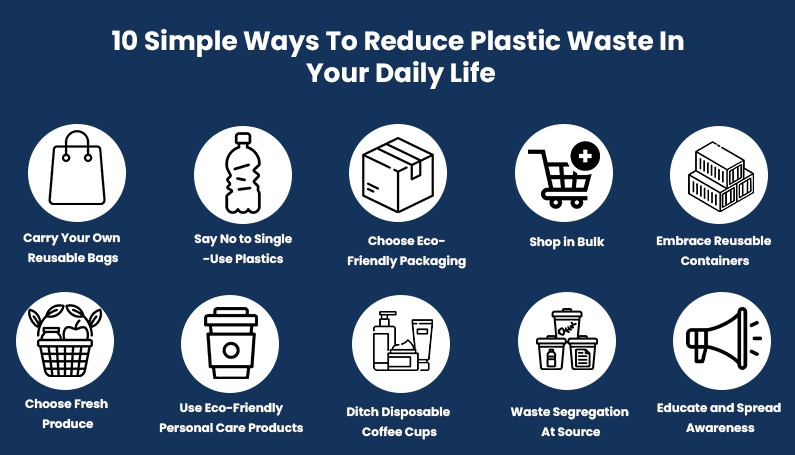
Choosing “ugly” or imperfect produce is a fantastic way to reduce food waste and often save money. This section will explore the benefits of embracing these less-than-perfect fruits and vegetables, compare their nutritional value to their flawless counterparts, and provide recipe ideas for utilizing them effectively.
Benefits of Purchasing Imperfect Produce
Imperfect produce, often referred to as “ugly” or “wonky” produce, is perfectly edible and nutritious, yet it’s often rejected by supermarkets due to cosmetic imperfections. Purchasing this produce offers several advantages.
- Reduced Food Waste: Buying imperfect produce directly combats food waste by providing a market for items that might otherwise be discarded. This is especially impactful considering that a significant portion of food waste occurs at the farm level due to aesthetic standards.
- Cost Savings: Imperfect produce is typically sold at a discounted price compared to its flawless counterparts. This can lead to significant savings on your grocery bill, particularly when buying in bulk or seasonal produce.
- Supporting Farmers: Purchasing imperfect produce supports farmers by providing them with a market for their entire harvest, reducing financial losses and promoting sustainable farming practices. This also helps small farmers compete with larger operations.
- Environmental Impact: By reducing food waste, you decrease the environmental impact associated with growing, transporting, and disposing of food. This includes a reduction in greenhouse gas emissions and the resources used in agriculture.
Nutritional Value Comparison
The nutritional value of imperfect produce is generally the same as, or even better than, its perfect counterparts. The imperfections are usually cosmetic, such as irregular shapes, blemishes, or slight bruising, which do not affect the fruit or vegetable’s nutritional content.
- No Significant Difference: Studies have consistently shown that the vitamin, mineral, and fiber content of imperfect produce is comparable to, or in some cases, even higher than, that of perfect produce.
- Potential for Higher Antioxidant Levels: Some research suggests that imperfect produce may have higher levels of antioxidants. This is because plants may produce more antioxidants to protect themselves from environmental stressors, such as pests or weather damage, which can cause imperfections. For example, a slightly bruised apple might contain more antioxidants than a perfectly unblemished one.
- Focus on Taste and Texture: While appearance might differ, the taste and texture of imperfect produce are generally the same as those of perfect produce.
Recipes for Utilizing Produce Past Its Prime
Many recipes are ideal for using produce that might be past its peak appearance but is still perfectly edible and delicious. These recipes often involve cooking methods that mask or minimize any imperfections.
- Soups and Stews: Soups and stews are perfect for using up slightly bruised or overripe vegetables. Chop them up and add them to a flavorful broth.
- Smoothies and Juices: Overripe fruit is ideal for smoothies and juices. Blend or juice the fruit, and any imperfections will be unnoticeable.
- Sauces and Purees: Tomatoes, peppers, and other vegetables that are slightly bruised or soft can be used to make sauces and purees.
- Roasted Vegetables: Roasting vegetables brings out their natural sweetness and can be a great way to use up slightly wilted or less-than-perfect produce.
- Fruit Crumble or Crisp: Overripe fruit is perfect for making fruit crumbles or crisps. The cooking process softens the fruit, and any imperfections will be unnoticeable.
- Pickling and Fermenting: Vegetables that are slightly past their prime can be pickled or fermented. This extends their shelf life and adds flavor.
Food Preservation Techniques: Extending Shelf Life at Home
Preserving food is a fantastic way to reduce waste, save money, and enjoy seasonal produce year-round. Learning a few basic preservation techniques can significantly extend the shelf life of your groceries, allowing you to utilize ingredients before they spoil and create delicious homemade treats. This section will explore several methods, providing you with the knowledge to start preserving food at home.
Basics of Food Preservation Methods
Food preservation works by inhibiting the growth of microorganisms that cause spoilage. Different methods achieve this through various means, such as removing moisture, altering acidity, or controlling temperature.* Canning: This method involves sealing food in airtight jars and heating them to a high temperature to kill bacteria and prevent spoilage. It’s ideal for fruits, vegetables, and even meats.
There are two main types:
Water bath canning
Used for high-acid foods like fruits, jams, and jellies. Jars are submerged in boiling water.
Pressure canning
Required for low-acid foods like vegetables and meats. This method uses a pressure cooker to reach higher temperatures, necessary to killClostridium botulinum* spores, which can cause botulism.
Pickling
Pickling involves preserving food in an acidic solution, typically vinegar. The acid inhibits the growth of spoilage organisms. Pickling is great for cucumbers, vegetables, and even some fruits.
Fermentation
This process uses beneficial bacteria or yeast to transform food, creating a tangy flavor and extending its shelf life. Examples include sauerkraut, kimchi, and yogurt. The microorganisms produce acids and other compounds that preserve the food.
Freezing
Freezing slows down microbial growth and enzymatic reactions, effectively preserving food for an extended period. It’s a versatile method suitable for a wide range of foods, from fruits and vegetables to meats and prepared meals.
Drying/Dehydration
Removing moisture prevents microbial growth. This method is suitable for fruits, vegetables, and herbs. Sun drying, oven drying, and using a dehydrator are common techniques.
Root Cellaring
This traditional method involves storing food in a cool, dark, and humid environment. It is suitable for root vegetables, apples, and other produce that can withstand the conditions.
Making Homemade Jam or Jelly: A Step-by-Step Guide
Making jam or jelly at home is a rewarding and delicious way to preserve fruit. Here’s a simplified guide for making a basic fruit jam. Remember to always follow tested recipes for safety and proper preservation. Example: Strawberry Jam
1. Prepare the Fruit
Wash and hull (remove the green top) the strawberries. Mash or chop them, depending on your desired texture. You’ll need about 4 cups of prepared fruit for a typical batch.
Illustration Description
* A close-up photograph shows fresh, ripe strawberries being washed in a colander. The strawberries are bright red, with a few still bearing their green caps. The colander is stainless steel and sits in a kitchen sink.
2. Prepare the Jars and Equipment
Sterilize your jars and lids by boiling them in a water bath canner or washing them in a dishwasher and keeping them warm. Have your other equipment ready: a large, heavy-bottomed pot, a ladle, a jar lifter, and a clean towel.
Illustration Description
* A photograph depicts various canning tools neatly arranged on a kitchen countertop. The tools include a stainless steel jar lifter, a wide-mouth funnel, a ladle, and several sterilized glass jars of different sizes.
3. Combine Ingredients
In the pot, combine the prepared fruit, sugar (usually equal parts fruit and sugar, or as per the recipe), and lemon juice (which helps with pectin and acidity). The exact amounts will depend on the recipe.
Illustration Description
* A photograph captures the process of combining ingredients for jam-making in a large stainless steel pot. The pot contains a vibrant mixture of chopped red strawberries and a generous amount of white granulated sugar.
4. Cook the Jam
Bring the mixture to a full rolling boil over medium-high heat, stirring constantly to prevent sticking. Cook until the jam reaches the gelling point, which can be determined by a thermometer (220°F or 104°C) or the “spoon test” (place a spoonful on a chilled plate; if it wrinkles when pushed, it’s ready).
Illustration Description
* A close-up image shows a pot of boiling jam on a stovetop. The jam bubbles vigorously, with a thick, glossy consistency. A wooden spoon rests in the pot, and steam rises from the mixture.
5. Fill the Jars
Carefully ladle the hot jam into the sterilized jars, leaving about ¼ inch headspace (the space between the jam and the top of the jar). Wipe the jar rims clean.
Illustration Description
* A photograph shows the process of filling sterilized glass jars with hot jam. A ladle is used to carefully transfer the jam from a large pot into the jars, leaving the appropriate headspace.
6. Process the Jars
Place the filled jars in a water bath canner filled with boiling water. Make sure the jars are covered by at least 1-2 inches of water. Process (boil) the jars for the time specified in your recipe (usually 10-15 minutes for small jars).
Illustration Description
* A photograph depicts a water bath canner filled with hot water, containing several glass jars filled with jam. The jars are submerged in the boiling water, and the canner is placed on a stovetop.
7. Cool and Check Seals
Remove the jars from the canner and place them on a towel-lined surface to cool undisturbed for 12-24 hours. You’ll hear a “pop” sound as the jars seal. Check the seals by pressing down on the center of each lid; it should not flex. If a jar doesn’t seal, refrigerate it and use the jam within a few weeks.
Illustration Description
* A photograph shows several sealed jars of jam cooling on a kitchen countertop. The jars are filled with a bright red, glistening jam. The lids are slightly concave, indicating a good seal.
Resources for Learning More About Food Preservation
Learning about food preservation can be an enjoyable experience. These resources offer a great starting point for beginners and experienced preservers alike:* Websites:
National Center for Home Food Preservation (NCHFP)
This is a comprehensive resource with research-based information on all aspects of home food preservation. (nchfp.uga.edu)
Ball Canning
The official website of Ball canning jars, offering recipes, tips, and safety guidelines. (www.freshpreserving.com)
USDA Complete Guide to Home Canning
Provides detailed instructions and safety information from the U.S. Department of Agriculture.
Books
Ball Complete Book of Home Preserving
* A classic guide with a wide variety of recipes and techniques.
Putting Food By* by Ruth Hertzberg, Beatrice Vaughan, and Janet Greene
A comprehensive guide to all methods of food preservation.
The Joy of Cooking* by Irma S. Rombauer and Marion Rombauer Becker
Includes sections on various preservation methods.
Local Extension Offices
Your local agricultural extension office often offers workshops and resources on home food preservation. Search online for your county’s extension office.
Community Involvement: Reducing Waste Beyond Your Kitchen
Reducing food waste doesn’t have to be a solo effort. Engaging with your community can amplify your impact and create a ripple effect, fostering a more sustainable food system. There are numerous ways to contribute, from participating in local initiatives to starting your own projects. This section explores how you can become an active participant in reducing food waste on a larger scale.
Joining Local Composting Programs
Many communities offer composting programs, providing residents with a convenient way to divert food scraps from landfills. These programs transform organic waste into nutrient-rich compost, which can be used to improve soil health and grow more food.
- Finding Local Programs: Research local government websites or community resource directories to locate composting programs in your area. Look for drop-off sites, curbside collection services, or community composting initiatives.
- Understanding Program Guidelines: Each program has specific guidelines regarding acceptable materials. Typically, you can compost food scraps like fruit and vegetable peels, coffee grounds, and eggshells. Avoid composting meat, dairy, and oily foods unless specifically permitted.
- Participating in Drop-Off Programs: If your community has drop-off locations, gather your food scraps in a designated container and transport them to the designated site regularly.
- Utilizing Curbside Collection: Some municipalities offer curbside composting services, similar to recycling and trash collection. This involves placing your compost bin at the curb for scheduled pick-up.
- Benefits of Composting: Composting reduces landfill waste, enriches soil, and reduces the need for chemical fertilizers. It also helps to sequester carbon, mitigating climate change.
Donating Excess Food to Food Banks and Charities
Food banks and charities play a vital role in addressing food insecurity and reducing food waste. Donating excess, edible food is a practical way to help those in need while minimizing waste.
- Identifying Donatable Food: Focus on non-perishable items, such as canned goods, pasta, rice, and unopened packaged foods that are within their “best by” or “sell by” dates. Also, consider donating fresh produce, if the food bank accepts it, ensuring it’s in good condition.
- Contacting Local Food Banks: Contact local food banks or charities to inquire about their specific donation guidelines, accepted items, and drop-off procedures. They may have specific needs or preferences.
- Following Food Safety Guidelines: Ensure that all donated food is safe for consumption. Avoid donating items that are spoiled, damaged, or past their expiration dates.
- Packaging and Labeling: Package donations securely and label them clearly with the item name and date. Include any relevant information, such as the best-by date.
- Organizing Food Drives: Consider organizing a food drive in your neighborhood, workplace, or community to collect donations for local food banks. This can significantly increase the amount of food available to those in need.
Starting a Community Garden
Community gardens provide a space for growing fresh produce, fostering community engagement, and reducing food waste by providing an outlet for surplus harvests.
- Finding a Suitable Location: Identify a suitable location for your community garden. Consider factors like sunlight, access to water, soil quality, and local regulations. Obtain any necessary permits or approvals.
- Forming a Community Group: Gather a group of interested individuals to collaborate on the garden project. This will help share the workload and ensure a diverse range of skills and perspectives.
- Planning the Garden Layout: Plan the garden layout, including individual plots, communal areas, and pathways. Consider factors like plant spacing, sunlight requirements, and accessibility.
- Choosing Crops: Select a variety of crops that are suitable for your local climate and soil conditions. Consider growing a mix of vegetables, fruits, and herbs.
- Managing Surplus Harvests: Establish a system for managing surplus harvests. This could involve sharing produce among gardeners, donating to local food banks, or selling at a local farmers market.
The Role of Technology: Apps and Tools for Smarter Shopping
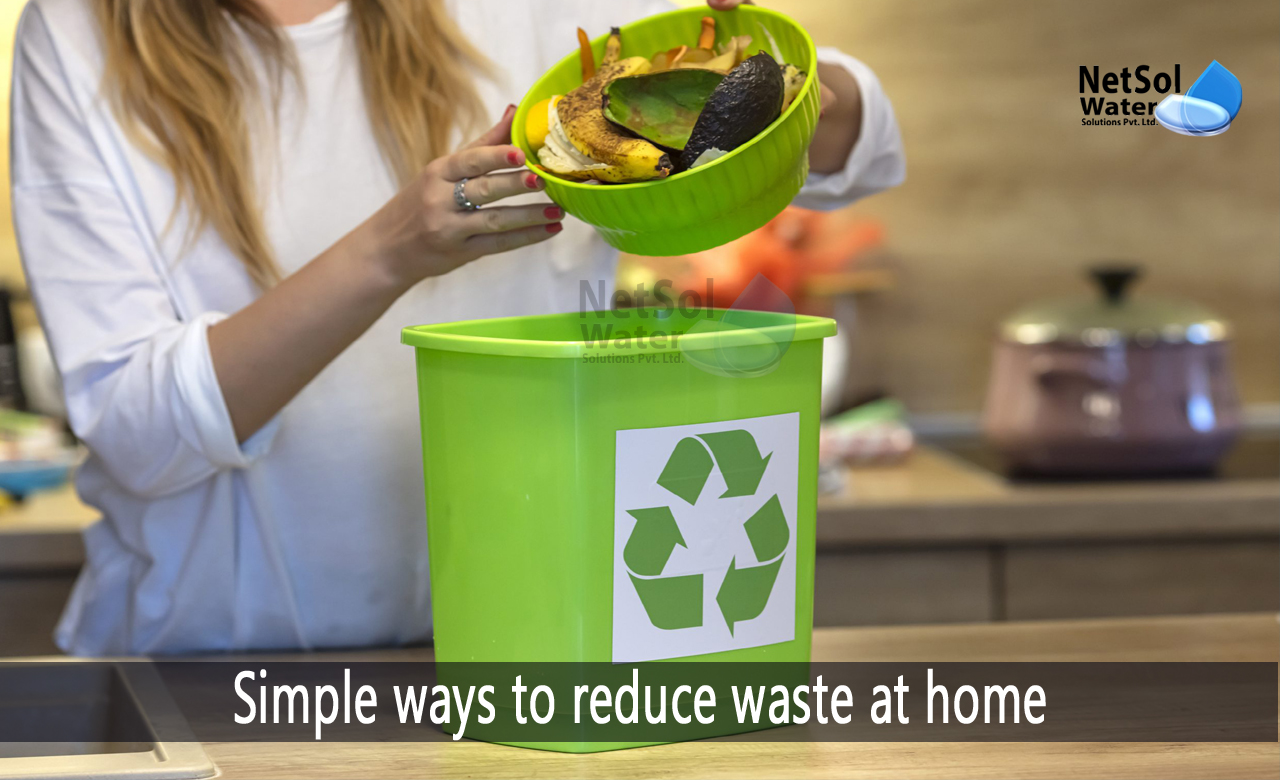
Technology offers a wealth of resources to combat food waste by streamlining grocery shopping and food management. From meal planning apps to inventory trackers, these tools can help you make informed decisions, reduce impulse buys, and ensure you use food before it expires. Embracing these technologies is a practical step towards a more sustainable and efficient kitchen.
Identifying Useful Apps and Websites
Many applications and websites are designed to simplify meal planning, grocery shopping, and food waste tracking. These tools provide features like recipe suggestions, shopping list creation, inventory management, and expiration date reminders. Integrating these technologies into your routine can significantly impact your food waste reduction efforts.
- Meal Planning Apps: These apps help you plan your meals for the week, generate shopping lists based on your recipes, and track your pantry inventory. Examples include:
- Mealime: Offers customizable meal plans and automatically generates shopping lists.
- Paprika Recipe Manager: Allows you to save and organize recipes, create meal plans, and generate shopping lists.
- Eat This Much: Provides personalized meal plans based on dietary restrictions and calorie goals.
- Grocery Shopping Apps: These apps focus on creating and managing shopping lists, often with features for price comparison and store loyalty programs. Examples include:
- AnyList: Allows shared shopping lists and recipe organization.
- OurGroceries: Synchronizes shopping lists across multiple users.
- Flipp: Aggregates digital flyers and coupons from various stores.
- Food Waste Tracking Apps: These apps help you monitor your food consumption, track expiration dates, and identify patterns of waste. Examples include:
- NoWaste: Tracks food inventory and provides expiration date reminders.
- Foodfully: Helps you manage your pantry and track food waste.
- Websites: Several websites offer meal planning tools, recipe databases, and tips for reducing food waste. Examples include:
- Allrecipes.com: Provides a vast database of recipes and meal planning tools.
- Love Food Hate Waste (lovefoodhatewaste.com): Offers tips, recipes, and resources for reducing food waste.
Using Tools to Create Shopping Lists, Track Expiration Dates, and Manage Inventory
Effectively utilizing these tools involves several key steps. This includes creating detailed shopping lists based on planned meals, regularly updating inventory to track what you have, and setting up reminders for expiration dates.
- Creating Shopping Lists: Most meal planning apps automatically generate shopping lists based on the recipes you select. You can also manually add items to your shopping list as you run out of staples or plan for specific meals.
- Tracking Expiration Dates: Use apps like NoWaste or Foodfully to input the expiration dates of food items as you bring them home. These apps will send you reminders before the food expires, allowing you to plan meals accordingly.
- Managing Inventory: Regularly update your inventory by adding new purchases and marking items as used. This gives you a clear overview of what you have on hand, helping you avoid buying duplicates and ensuring you use food before it goes bad.
Comparative Table of Shopping List Apps
The following table provides a comparison of different shopping list apps, highlighting their key features and user ratings. These ratings are based on user reviews from app stores and reflect the overall satisfaction with the app’s functionality and ease of use.
| App Name | Key Features | User Ratings (out of 5) | Platform Availability |
|---|---|---|---|
| AnyList | Shared shopping lists, recipe organization, Siri integration, web access. | 4.7 | iOS, Android, Web |
| OurGroceries | Shared shopping lists, automatic grocery list generation, syncs across devices. | 4.5 | iOS, Android, Web |
| Google Keep | Simple list creation, note-taking, checklist functionality, cross-platform sync. | 4.6 | iOS, Android, Web |
| Bring! Shopping List | Shopping list sharing, recipe import, product suggestions, barcode scanner. | 4.4 | iOS, Android |
Final Thoughts
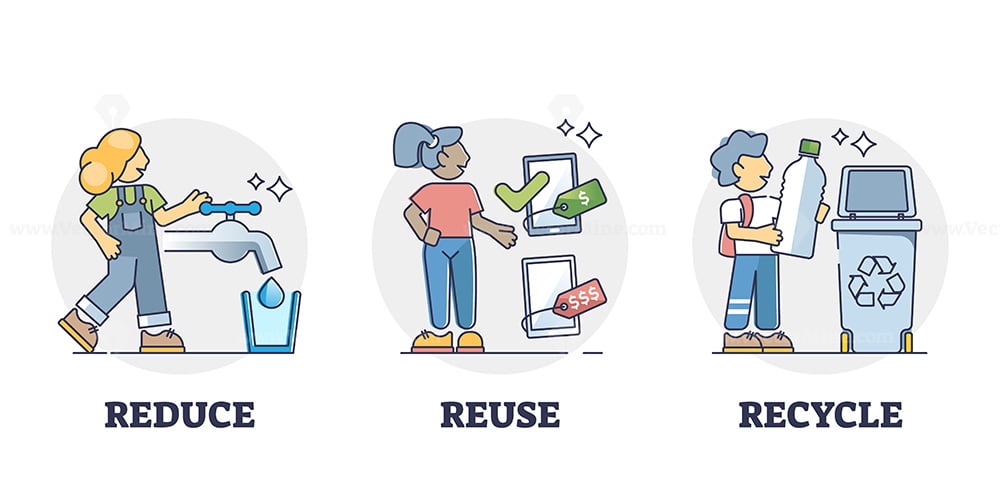
In conclusion, reducing food waste through smarter grocery shopping is a win-win. You’ll save money, lessen your environmental footprint, and contribute to a more sustainable future. By implementing the strategies Artikeld in this guide, from meal planning and smart shopping to creative leftover management and exploring food preservation techniques, you can make a real difference. Start today and transform your kitchen into a hub of efficiency and sustainability, reducing waste one grocery trip at a time!