Discover the secrets to smart shopping and financial freedom with “How to Choose Store Brands to Save on Everyday Items”! In today’s economy, every penny counts. Learn how to unlock significant savings by making informed choices about the products you buy. This guide will transform your shopping habits, showing you how to navigate the world of store brands and maximize your budget without sacrificing quality.
We’ll delve into the core differences between store brands and national brands, equipping you with the knowledge to make savvy decisions. You’ll learn how to identify prime opportunities for store brand savings, from pantry staples to household essentials. Get ready to master the art of comparing ingredients, evaluating product quality, and leveraging strategic shopping techniques to build a budget-friendly lifestyle.
Understanding Store Brands vs. National Brands

Choosing between store brands and national brands can significantly impact your budget. Understanding the fundamental differences between these two types of products is crucial for making informed purchasing decisions and maximizing your savings without sacrificing quality. This section will delve into the key distinctions, helping you navigate the grocery store aisles with confidence.
Manufacturing and Distribution
The manufacturing and distribution processes differ significantly between store brands and national brands. These differences often contribute to the price disparities.Store brands, also known as private labels, are typically manufactured by the retailer or a third-party manufacturer. This third-party manufacturer might also produce national brands. Because store brands are often produced in the same facilities, using the same equipment and sometimes even the same ingredients as national brands, the quality can be remarkably similar.
This setup allows retailers to control the supply chain and offer products at a lower cost. The distribution of store brands is usually limited to the retailer’s stores, reducing marketing and distribution expenses.National brands, on the other hand, are owned by large corporations that invest heavily in brand recognition and marketing. These brands often have extensive distribution networks, reaching various retailers, both large and small.
They also invest heavily in advertising, packaging, and research and development, which contribute to their higher prices.
Pricing Strategies
Pricing strategies play a vital role in the cost differences between store brands and national brands. Retailers employ specific strategies to position their store brands competitively.Store brands are typically priced lower than national brands, often by 15% to 30%, or even more. This price advantage is a significant incentive for consumers. Retailers can achieve these lower prices by reducing marketing costs, packaging expenses, and distribution fees.
They also have more control over their profit margins, allowing them to offer competitive prices.National brands use various pricing strategies, including premium pricing to reflect their brand value and extensive marketing campaigns. They also often use promotional pricing, offering discounts and coupons to attract consumers. However, the base price of national brands remains higher than store brands due to the factors mentioned earlier, such as marketing, research, and distribution costs.
Product Categories with Minimal Quality Gaps
Certain product categories often exhibit minimal quality differences between store brands and national brands. Recognizing these categories can help you maximize savings without compromising your satisfaction.
- Paper Products: Paper towels, toilet paper, and napkins often perform similarly across different brands. The primary difference usually lies in the thickness and absorbency, which may not always justify the price difference.
- Aluminum Foil and Plastic Wrap: These products are typically manufactured to meet specific standards. The quality difference between store brands and national brands is often negligible.
- Cleaning Supplies: Dish soap, laundry detergent, and general-purpose cleaners can often be found at comparable quality levels in store brands. The formulations are often very similar to those of national brands.
- Canned Goods: Canned fruits, vegetables, and beans are often produced in the same facilities for both store brands and national brands. The primary differences may be in the processing methods or ingredient sourcing, which might not always be significant.
- Over-the-Counter Medications: Many store brands of pain relievers, allergy medications, and other over-the-counter drugs contain the same active ingredients and dosages as their national brand counterparts. The primary difference is often the packaging and branding.
Consumer Perception and Purchasing Decisions
Consumer perception significantly influences purchasing decisions when comparing store brands and national brands. Understanding how consumers perceive these brands can provide valuable insights into their buying behavior.Many consumers are brand-loyal, associating national brands with higher quality, prestige, and reliability. This perception is often cultivated through extensive advertising and marketing efforts. The familiarity and trust built over time can make consumers reluctant to switch to store brands.However, the rising cost of living has led more consumers to consider store brands.
Value-conscious consumers are increasingly willing to try store brands to save money, especially if they are satisfied with the quality. Positive experiences with store brands can lead to repeat purchases and a shift in consumer perception.
Consumer perception is not always aligned with objective quality.
Store brands are continually improving their product quality and packaging to compete with national brands. Retailers are also investing in marketing their store brands, further influencing consumer perception and driving sales.
Identifying Everyday Items Suitable for Store Brand Purchase
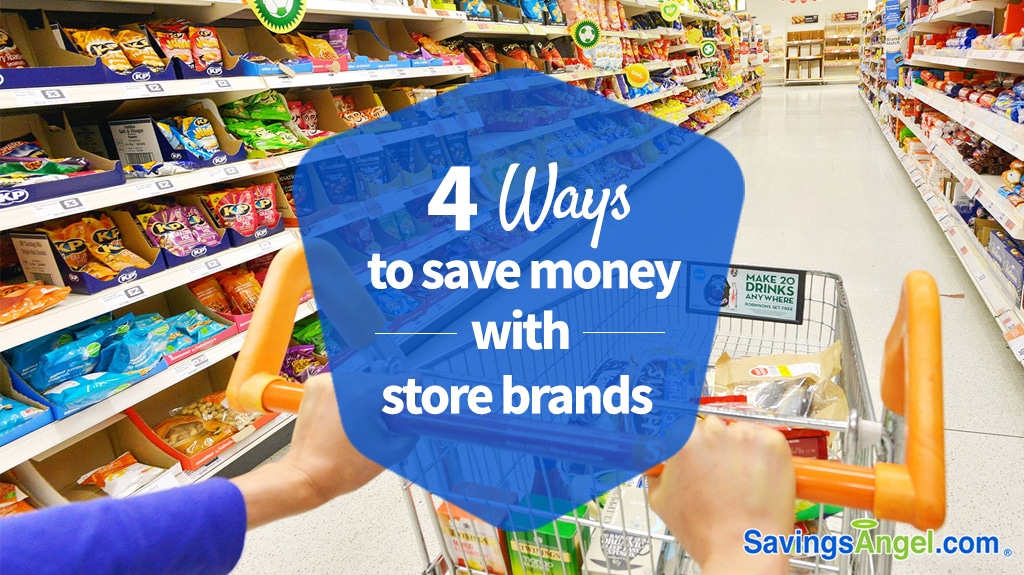
Choosing store brands can be a smart way to save money on your grocery bill without sacrificing quality. The key is knowing which items offer the best value and where the differences between store brands and national brands are minimal. This section will guide you through identifying those everyday items, comparing ingredients, and making informed decisions.
Identifying Common Household Items with Significant Savings
Many common household items offer substantial savings when you opt for the store brand. These items often have simpler formulations or benefit from the economies of scale that store brands can achieve.
- Paper Products: This includes items like paper towels, toilet paper, and napkins. Store brands often provide comparable quality at a significantly lower price point.
- Cleaning Supplies: Detergents, dish soap, and all-purpose cleaners are frequently good choices for store brands. The active ingredients are often the same or very similar to national brands.
- Over-the-Counter Medications: Pain relievers (like ibuprofen and acetaminophen), allergy medications, and cold remedies are often identical in active ingredients to their name-brand counterparts but at a fraction of the cost.
- Canned and Frozen Foods: Canned vegetables, fruits, and frozen fruits and vegetables are typically good buys as store brands. The processing and ingredients are often the same.
- Baking Supplies: Flour, sugar, baking soda, and other baking essentials often offer great value as store brands.
Evaluating Product Ingredients and Comparing Brands
Comparing product ingredients is crucial to making informed decisions. While the packaging may look different, the formulations can be very similar.
Here’s how to evaluate:
- Read the Ingredient List: Compare the ingredient lists of the store brand and the national brand. Look for identical or very similar active ingredients, especially in medications and cleaning products.
- Check the Concentration: Pay attention to the concentration of active ingredients. For example, in detergents, compare the percentage of surfactants or cleaning agents.
- Consider Additives: Note any differences in additives, such as dyes, fragrances, or preservatives. While these might affect the sensory experience, they often don’t impact the product’s effectiveness.
- Look for Certifications: Check for any relevant certifications, such as those for organic products or environmental friendliness.
For example, when comparing ibuprofen tablets, the active ingredient (ibuprofen) and its dosage (e.g., 200mg) should be identical. Differences in inactive ingredients like binders and coatings may exist, but these usually don’t affect the pain-relieving properties.
Items Generally Safe to Purchase as Store Brands
Based on quality, performance, and savings, some items are generally safe to purchase as store brands. The following table provides examples. Note that prices can vary based on location and promotions.
| Product Category | Typical Store Brand Price | Typical National Brand Price | Estimated Savings |
|---|---|---|---|
| Pain Relievers (Ibuprofen 200mg) | $4.00 (100 tablets) | $10.00 (100 tablets) | 60% |
| Paper Towels (6 rolls) | $7.00 | $12.00 | 42% |
| Dish Soap (28 oz) | $2.50 | $4.00 | 38% |
| Canned Tomatoes (28 oz) | $1.50 | $2.50 | 40% |
| Baking Soda (16 oz) | $1.00 | $2.00 | 50% |
The table provides a snapshot, and actual savings may vary. Always compare prices and ingredients at your local store.
Evaluating Product Quality and Performance
When choosing store brands, understanding how to assess their quality is crucial for making informed decisions. This section will provide you with the tools and knowledge to evaluate store brand products effectively, ensuring you get the best value for your money. It covers methods for assessing product quality, identifying potential red flags, and the importance of considering reviews and ratings.
Methods for Assessing Quality
There are several effective methods for evaluating the quality of store brand products before you buy them. These methods will help you make informed choices.
- Reading Reviews: Consumer reviews are invaluable. Look for reviews on websites like Amazon, product-specific review sites, and even the store’s website. Pay attention to both positive and negative feedback. Look for consistent patterns in the reviews, such as complaints about product durability or taste. For example, if multiple reviews for a store-brand laundry detergent mention it doesn’t clean clothes effectively, it’s a significant red flag.
- Checking Ingredient Lists: Compare the ingredient lists of store brands with those of national brands. Look for similar ingredients, especially active ingredients. Be wary if the store brand lists significantly fewer active ingredients or substitutes them with less effective alternatives. For example, compare the active ingredient percentages in pain relievers. A lower percentage of the active ingredient could mean the store brand is less potent.
- Examining Packaging: Pay attention to the packaging. Is it well-sealed and sturdy? Does it provide clear and comprehensive information about the product, including ingredients, usage instructions, and any warnings? Poor packaging can sometimes indicate a lower-quality product.
- Comparing Nutritional Information: For food products, compare the nutritional information (calories, fat, sugar, sodium, etc.) of the store brand with that of the national brand. Significant differences could indicate differences in quality or formulation. For example, if a store-brand cereal has significantly more sugar than a national brand, it might be less healthy.
- Testing the Product (If Possible): If you’re buying a product for the first time, consider purchasing a small size or a single unit to test it before committing to a larger quantity. This is especially useful for items like cleaning supplies or personal care products.
Identifying Potential Red Flags
Certain indicators can signal lower quality in store-brand products. Recognizing these red flags helps you avoid products that might not meet your expectations.
- Unfamiliar or Limited Ingredient Lists: Compare ingredient lists. If a store brand lists significantly fewer ingredients, or uses unfamiliar ingredients, it may be a sign of lower quality or a different formulation.
- Inconsistent Performance: Watch for reviews that mention inconsistent performance. For example, if a store-brand paper towel is sometimes strong and absorbent but other times tears easily, it could be a quality control issue.
- Off-Putting Odors or Tastes: For food and personal care products, pay attention to the smell and taste. Any unusual or unpleasant odors or tastes can indicate a problem with the ingredients or manufacturing process.
- Poor Packaging: Packaging that is flimsy, poorly sealed, or lacks essential information can be a red flag.
- Significant Price Differences: While store brands are typically cheaper, extremely low prices can sometimes indicate lower quality ingredients or manufacturing standards. However, this is not always the case, as store brands often benefit from reduced marketing costs.
Importance of Product Reviews and Ratings
Product reviews and ratings offer valuable insights into the performance and quality of store-brand products. Considering these can save you time and money.
- Gaining Consumer Insights: Reviews provide real-world experiences from other consumers. They can highlight potential issues you might not notice initially.
- Identifying Common Issues: Reviews often reveal recurring problems, such as product durability, taste, or effectiveness.
- Assessing Customer Satisfaction: Ratings and reviews give you a general idea of how satisfied other customers are with the product.
- Understanding Product Strengths and Weaknesses: Reviews can point out the product’s strengths and weaknesses, helping you decide if it meets your needs.
- Making Informed Decisions: By reading reviews, you can avoid products with a history of poor performance and choose brands that are more likely to meet your expectations.
Checklist for Evaluating Store Brand Quality
This checklist will help you systematically evaluate store brand products before purchasing them.
- Research:
- Read online reviews from multiple sources.
- Check the store’s website for customer ratings.
- Compare Ingredients:
- Compare ingredient lists with national brands.
- Look for similar active ingredients and concentrations.
- Examine Packaging:
- Assess the quality and durability of the packaging.
- Ensure the packaging provides clear and comprehensive information.
- Consider Nutritional Information (for food products):
- Compare nutritional information with national brands.
- Look for significant differences in key nutrients.
- Assess Value:
- Consider the price compared to national brands and the quantity offered.
- Evaluate if the price reflects the perceived quality.
- Test (if possible):
- Purchase a small size or single unit to test before buying in bulk.
Strategic Shopping and Comparison Techniques
To truly maximize your savings with store brands, you need a strategic approach to shopping. This involves more than just grabbing the cheapest item off the shelf. It requires a keen eye for deals, a commitment to comparing costs, and a well-organized shopping plan. By mastering these techniques, you can significantly reduce your grocery bill and make your budget go further.
Comparing Prices and Unit Costs
Effectively comparing prices is crucial for identifying the best deals. It’s not always about the lowest price tag; understanding unit costs reveals the true value.To determine the best value:
- Identify the Unit Cost: Look for the unit price, usually found near the price tag on the shelf. This is the price per ounce, pound, or other unit of measure. If the unit price isn’t displayed, calculate it by dividing the total price by the quantity.
- Compare Like Items: Ensure you’re comparing the unit costs of similar products. Compare apples to apples (or store brand apples to national brand apples), considering size, weight, and any special features (organic, etc.).
- Consider Package Size: Larger packages often have lower unit costs, but consider whether you’ll use the product before it expires. Buying in bulk only saves money if you actually consume the product.
- Use a Calculator or Smartphone: Quickly calculate unit prices while in the store to make informed decisions.
For example, consider two brands of pasta sauce:
- Brand A (National Brand): 24 oz jar for $3.
60. Unit cost: $0.15 per ounce ($3.60 / 24 oz). - Brand B (Store Brand): 24 oz jar for $2.
88. Unit cost: $0.12 per ounce ($2.88 / 24 oz).
In this case, Brand B (the store brand) offers a lower unit cost, making it the more economical choice.
Leveraging Store Brand Promotions and Sales
Store brands are often included in sales and promotions, offering even greater savings. Being aware of these opportunities can amplify your budget-friendly shopping.To take advantage of store brand promotions:
- Check Weekly Ads: Review the weekly flyers or online ads for your preferred grocery stores. Store brands are frequently featured in these promotions.
- Look for “Buy One, Get One” (BOGO) Deals: These promotions can dramatically reduce the per-unit cost, especially when applied to store brands.
- Utilize Store Coupons: Some stores offer coupons specifically for their store brands, which can be found in the weekly ads, on the store’s website, or through their app.
- Sign Up for Loyalty Programs: Loyalty programs often provide exclusive discounts and offers, including promotions on store brands.
- Follow Social Media: Many stores announce sales and promotions on their social media channels.
For instance, a store might advertise “2 for $5” on their store-brand canned beans. If the regular price is $3 each, this promotion offers a significant discount.
Using a Shopping List to Prioritize Store Brand Purchases
A well-organized shopping list is essential for staying focused and maximizing savings. Planning your purchases helps you make informed decisions about store brand alternatives.Follow these steps for a strategic shopping list:
- Plan Your Meals: Decide what you’ll eat for the week. This will help you determine the items you need to buy.
- Create Your List: Write down everything you need, categorized by store aisle.
- Identify Store Brand Opportunities: For each item, consider whether a store brand alternative is available and suitable.
- Note Prices (Optional): If you have time, jot down the estimated prices of both the national and store brands for comparison.
- Prioritize Store Brands: Make a note next to each item you intend to purchase as a store brand.
- Check for Sales: Before you head to the store, review the weekly ads to see if any of your planned store brand purchases are on sale.
Example:| Item | National Brand Price | Store Brand Price | Notes ||————–|———————-|——————-|——————————————|| Canned Tomatoes | $1.50 | $1.00 | Store brand (✅) || Pasta | $2.00 | $1.25 | Store brand (✅) || Ketchup | $3.00 | $2.00 | Store brand (✅), check for coupons |
Comparing Store Brand Prices Across Different Retailers
The prices of store brands can vary between different stores. Comparison shopping across multiple retailers can lead to significant savings.To compare store brand prices:
- Check Online Ads: Review the online ads of different grocery stores in your area.
- Use Price Comparison Apps: Several apps allow you to compare prices across different stores.
- Visit Multiple Stores: If possible, visit different stores to physically compare prices, especially for frequently purchased items.
- Consider Gas and Time Costs: Factor in the cost of gas and your time when deciding whether to travel to a different store for savings.
For example, let’s compare the price of a store-brand loaf of bread:
- Store A: Store Brand Bread – $2.50
- Store B: Store Brand Bread – $2.25
In this case, Store B offers a lower price. Over time, these small savings can add up, making it worthwhile to compare prices across different retailers.
Exploring Different Retailer Store Brand Offerings
Navigating the world of store brands becomes even more strategic when you understand the diverse offerings of different retailers. Each store has its own approach to private labeling, resulting in variations in product quality, pricing, and overall value. This section delves into the unique characteristics of store brands across popular retailers, equipping you with the knowledge to make informed choices.
Retailer Store Brand Variety
Retailers offer an extensive range of store brands, spanning across various product categories. The availability of store brands can significantly impact your grocery bill and overall spending habits. Understanding the breadth of options available at different stores empowers you to make informed choices that align with your budget and preferences.
Comparing Product Quality and Pricing Strategies
The quality and pricing of store brands vary considerably across different retailers. Some retailers prioritize premium ingredients and formulations, leading to higher prices, while others focus on affordability, potentially sacrificing some quality aspects. Analyzing the pricing strategies of each retailer provides insights into the value proposition offered by their store brands.For example, consider the following:* Walmart: Walmart’s Great Value brand is known for its aggressive pricing strategy, offering significant discounts compared to national brands.
The quality can vary, but it often provides a good balance between price and performance.
Target
Target’s store brands, such as Good & Gather and Market Pantry, often emphasize a higher quality and stylish packaging. While prices are generally competitive, they may be slightly higher than Walmart’s store brands.
Kroger
Kroger offers a range of store brands, including Kroger, Simple Truth (organic), and Private Selection (premium). Their pricing strategy aims to provide options across different quality tiers, catering to a wide range of customer preferences and budgets.
Aldi
Aldi is renowned for its extensive store brand offerings, covering almost all products on its shelves. Their pricing is consistently low, and they focus on providing good value for money.
Strengths and Weaknesses of Different Retailer Store Brands
Each retailer’s store brand strategy comes with its own set of strengths and weaknesses. Understanding these nuances allows you to choose the store that best aligns with your priorities. For example, a retailer might excel in a specific product category or offer superior value in certain areas.* Walmart:
Strengths
Unbeatable prices, wide product selection, convenient shopping experience.
Weaknesses
Quality can be inconsistent across different product lines, limited selection of organic or premium options.
Target
Strengths
Stylish packaging and design, higher quality ingredients in some brands, a pleasant shopping environment.
Weaknesses
Prices may be slightly higher than competitors, some product categories may have a limited selection of store brands.
Kroger
Strengths
Wide variety of store brands, options across different quality tiers, frequent sales and promotions.
Weaknesses
Quality can vary depending on the specific brand, some store brands may not be available in all regions.
Aldi
Strengths
Consistently low prices, a focus on quality, a curated selection of products.
Weaknesses
Limited selection of national brands, less flexibility in product choice, may not have all the products a shopper needs.
Popular Store Brands by Retailer
Here’s a list of some of the most popular store brands offered by each retailer. This can help you identify which brands to look for when you shop.* Walmart:
Great Value (general grocery)
Equate (health and beauty)
Mainstays (home goods)
Parent’s Choice (baby products) –
Target
Good & Gather (grocery)
Market Pantry (grocery)
Up & Up (health and beauty)
Cat & Jack (kids’ apparel) –
Kroger
Kroger (general grocery)
Simple Truth (organic and natural)
Private Selection (premium)
Comforts (baby products) –
Aldi
Simply Nature (organic and natural)
Friendly Farms (dairy)
Millville (cereals and snacks)
Fit & Active (health and fitness)
Avoiding Common Pitfalls When Buying Store Brands
Navigating the world of store brands can be a fantastic way to save money, but it’s essential to be a savvy shopper to avoid potential downsides. This section highlights common pitfalls and provides strategies to ensure you get the best value and satisfaction from your store brand purchases.
Relying Solely on Price
While price is a significant factor in choosing store brands, it shouldn’t be the only consideration. Focusing solely on the lowest price can lead to disappointment if the product’s quality or performance doesn’t meet your needs.Consider these points:
- Quality Variations: Store brand quality can vary widely, even within the same store. One product might be a perfect match for a national brand, while another could fall short.
- Long-Term Costs: A cheaper product that doesn’t last as long or perform as well might end up costing more in the long run. For example, cheaper batteries might drain faster, requiring more frequent replacements.
- Opportunity Cost: Time spent replacing or dealing with inferior products can be a hidden cost.
Understanding Return Policies
Knowing a store’s return policy is crucial when purchasing store brands. This knowledge protects you if a product doesn’t meet your expectations.Here’s what to consider:
- Return Windows: Pay attention to the timeframe for returns. Some stores offer generous return policies, while others have shorter windows.
- Requirements: Understand the requirements for returns, such as needing a receipt or the original packaging.
- Product-Specific Policies: Some products might have different return policies than others, such as electronics or perishable goods.
- Convenience: Consider the ease of returning items. Can you return them to any store location, or do you need to go to a specific department or store?
Items Where National Brands Might Be Preferable
In certain categories, national brands may offer a consistently higher level of quality or performance, making them a better investment.Here’s a list of items where sticking with national brands may be advisable:
- Medications: While generic medications are generally safe and effective, national brands sometimes offer specific formulations or coatings that might be beneficial for some individuals.
- Specialty Foods: Products with unique flavor profiles or complex formulations, such as certain sauces or spices, might be better from national brands that have perfected their recipes over time.
- Electronics: While some store brand electronics are good, national brands often have more established reputations for quality and support.
- Certain Cleaning Products: Some cleaning products, especially those with specific stain-fighting capabilities, might perform better when purchased as a national brand.
- Baby Formula: Consistency in formula is essential, and national brands often have stricter quality control processes.
Customer Experience: A Case Study
“I bought a store-brand laundry detergent that claimed to be high-efficiency. However, it didn’t clean my clothes well, and I noticed a residue. I contacted the store, and they were very understanding. They offered a full refund and even provided a coupon for a national brand detergent. This experience taught me the importance of reading reviews and understanding the return policy.”
Long-Term Savings and Budgeting with Store Brands
Incorporating store brands into your shopping habits isn’t just about saving a few dollars today; it’s a strategic move that can significantly impact your long-term financial well-being. By consistently choosing store brands, you can free up funds for other financial goals, such as paying down debt, investing, or building an emergency fund. This section delves into how store brands contribute to long-term savings, how to integrate them into your budget, and how to track the benefits.
How Store Brands Contribute to Long-Term Financial Savings
Choosing store brands consistently leads to substantial savings over time. These savings can then be reinvested or allocated to other financial priorities. The cumulative effect of these savings can be quite remarkable.Here’s how this works:
- Reduced Spending: Store brands often cost significantly less than national brands. This immediate reduction in spending frees up cash.
- Compounding Effect: The money saved can be used to pay down debt (reducing interest payments) or invested (allowing your money to grow).
- Financial Flexibility: Consistent savings provide greater financial flexibility, allowing you to handle unexpected expenses or pursue opportunities.
- Example: Imagine a household spends $100 per week on groceries. Switching to store brands could save them 15% to 25% weekly, or $15 to $25. Over a year, this equates to $780 to $1300 in savings. This money can be used to pay down debt, invest, or save for a specific goal, such as a down payment on a house or a family vacation.
Incorporating Store Brand Shopping into a Household Budget
Successfully budgeting with store brands involves planning and tracking. This ensures you’re maximizing savings and staying within your financial goals.The following steps are essential:
- Assess Current Spending: Review your past grocery bills to identify areas where you can substitute national brands with store brands.
- Set a Budget: Determine a realistic grocery budget based on your income and financial goals. Allocate a portion of this budget specifically for store brand purchases.
- Create a Shopping List: Plan your meals for the week and create a shopping list. Identify store brand alternatives for as many items as possible.
- Track Purchases: Keep a record of your spending, noting which items are store brands and how much you saved compared to the national brand prices.
- Review and Adjust: Regularly review your spending and make adjustments to your budget as needed. This helps you refine your strategy and optimize savings.
Examples of Tracking Savings Achieved by Purchasing Store Brands
Tracking your savings is crucial to understanding the impact of your store brand purchases. There are several ways to do this effectively.Here’s how to effectively track savings:
- Spreadsheet: Use a spreadsheet (like Google Sheets or Microsoft Excel) to record each purchase. Include columns for item name, brand (store brand or national brand), price, and the potential savings.
- Receipt Analysis: Compare receipts from different shopping trips, noting the difference in price for store brands versus national brands.
- Budgeting Apps: Utilize budgeting apps that allow you to categorize spending and track savings. Some apps can even automatically identify and calculate savings from store brand purchases.
- Example: Let’s say you buy cereal. A national brand costs $5, while the store brand costs $3. Your savings per box is $2. If you buy one box per week, your annual savings are $104. Over five years, that’s $520 saved on cereal alone.
Creating a Simple Budgeting Template to Help Users Plan for Store Brand Purchases
A simple budgeting template can help you organize your finances and track the savings achieved by purchasing store brands.Here’s a basic template structure:
| Category | Estimated Monthly Cost (National Brands) | Estimated Monthly Cost (Store Brands) | Savings |
|---|---|---|---|
| Cereal | $20 | $15 | $5 |
| Pasta | $10 | $7 | $3 |
| Cleaning Supplies | $30 | $20 | $10 |
| Total | $60 | $42 | $18 |
Formula: Savings = (Monthly Cost of National Brands)
(Monthly Cost of Store Brands)
This template provides a clear visual of the potential savings by choosing store brands. Customize this template to include your own spending habits and item categories.
Closure
Congratulations! You’ve completed your journey through the world of store brands. By embracing the strategies Artikeld, you’re now empowered to shop smarter, save money, and achieve your financial goals. Remember, informed choices are the cornerstone of smart shopping. Armed with the knowledge of product quality, strategic comparisons, and retailer offerings, you’re well-equipped to maximize savings and elevate your everyday shopping experience.
Happy saving!