Ready to snag the best deals on Amazon Prime Day? This guide, “How to Prepare for Amazon Prime Day for Maximum Savings,” is your ultimate resource for navigating the shopping extravaganza. From understanding what Prime Day is all about to mastering the art of deal-hunting, we’ll equip you with the knowledge and strategies to maximize your savings and shop like a pro.
We’ll cover everything from the basics of Amazon Prime membership to advanced techniques for identifying the hottest deals, comparing prices, and avoiding impulse buys. Get ready to learn how to leverage Amazon’s tools, research products effectively, and even handle potential issues like returns and refunds. Let’s dive in and transform you into a savvy Prime Day shopper!
Understanding Amazon Prime Day
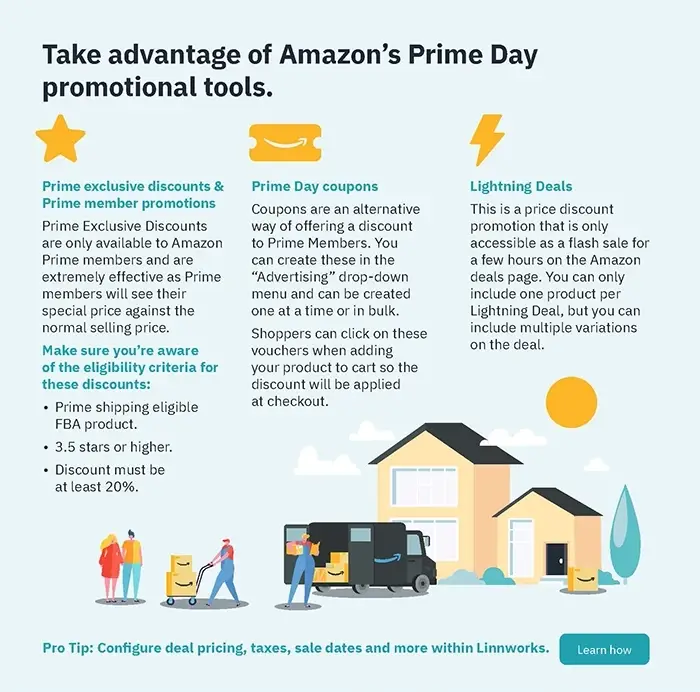
Amazon Prime Day is an annual shopping event hosted by Amazon exclusively for its Prime members. It features significant discounts and deals across various product categories, ranging from electronics and home goods to fashion and groceries. Prime Day provides a concentrated period of promotional activity, creating a sense of urgency and excitement for shoppers.
Definition of Amazon Prime Day
Amazon Prime Day is a sales event characterized by limited-time deals and discounts available to Amazon Prime subscribers. These deals span a vast array of products, offering consumers the opportunity to purchase items at reduced prices. The event typically lasts for a specified duration, usually a couple of days, driving high levels of online traffic and sales for Amazon.
Historical Context of Prime Day
Prime Day originated in 2015 as a celebration of Amazon’s 20th anniversary. The inaugural event was a single-day sale intended to boost Prime membership sign-ups and provide an exclusive shopping experience for existing members. Since then, Prime Day has evolved considerably. It has expanded in duration, with some years featuring multiple days of deals, and its geographical reach has broadened to include numerous countries worldwide.
The event has also become a significant driver of Amazon’s revenue and a benchmark for other retailers in the e-commerce space. For example, in 2023, Amazon Prime Day generated an estimated $12.7 billion in sales globally.
Significance of Prime Day
Prime Day holds substantial importance for both consumers and Amazon. For consumers, it offers the chance to acquire desired products at competitive prices, potentially saving significant amounts of money. It also provides an opportunity to discover new products and brands. For Amazon, Prime Day serves as a major revenue generator, boosting sales and attracting new Prime subscribers. The event also helps Amazon clear out inventory and gather valuable data on consumer purchasing behavior.
Furthermore, Prime Day increases brand visibility and strengthens Amazon’s position in the retail market.
Different Types of Deals Available on Prime Day
Prime Day features a variety of deal types designed to attract different types of shoppers.
- Lightning Deals: These are limited-time offers that are available for a short period or until the product is sold out. They often feature deep discounts and require quick decision-making from shoppers. For instance, a popular brand of noise-canceling headphones might be offered at 50% off for only a few hours, creating a sense of urgency.
- Deals of the Day: These deals are available for the entire day, providing shoppers with a longer window to consider their purchase. They typically involve significant discounts on specific products or product categories. An example could be a discounted price on a popular smart TV model.
- Prime Exclusive Deals: These are deals exclusively for Prime members, highlighting the benefits of their subscription. They can include discounts on specific products, bundles, or special offers.
- Deals on Amazon Devices: Amazon often offers significant discounts on its own devices, such as Echo speakers, Fire tablets, and Kindle e-readers, to encourage purchases within its ecosystem.
- Coupons: Amazon frequently offers coupons that can be “clipped” and applied at checkout, providing additional savings on various products.
Prime Membership: The Gateway to Savings
An Amazon Prime membership is essential for maximizing savings during Prime Day. It unlocks exclusive deals, faster shipping, and access to a variety of entertainment options. Without a Prime membership, you’ll miss out on the best offers and may incur shipping costs that diminish your savings. Understanding the different Prime membership options and how to sign up is crucial for a successful Prime Day shopping experience.
Benefits of an Amazon Prime Membership
Amazon Prime offers a wealth of benefits that extend far beyond just Prime Day. These advantages enhance the overall shopping experience and provide significant value throughout the year.
- Free and Fast Shipping: Prime members receive free shipping on millions of items, often with same-day or one-day delivery depending on location and availability. This is a significant advantage, eliminating shipping costs and allowing for quicker receipt of purchased items.
- Exclusive Deals and Discounts: Prime members gain access to exclusive deals, discounts, and early access to sales events like Prime Day. This includes lightning deals, limited-time offers, and special promotions not available to non-Prime members.
- Access to Prime Video: Prime membership includes access to Prime Video, a streaming service with a vast library of movies, TV shows, and original content. This provides entertainment value beyond shopping benefits.
- Prime Music: Prime members can stream millions of songs ad-free through Prime Music, offering a diverse music selection accessible on various devices.
- Prime Reading: Access a rotating selection of ebooks and audiobooks through Prime Reading. This feature offers a convenient way to discover new reads without additional cost.
- Amazon Photos: Unlimited photo storage is included with Prime, allowing members to securely store and access their photos from anywhere.
- Other Perks: Additional benefits include exclusive discounts at Whole Foods Market, early access to select products, and other promotional offers throughout the year.
Prime Membership Options
Amazon offers several Prime membership options to cater to different needs and budgets. These options vary in price and the benefits they provide. Understanding the differences between each option allows you to choose the one that best suits your shopping habits and entertainment preferences.
- Monthly Prime: This option allows for a pay-as-you-go approach, ideal for those who don’t shop frequently on Amazon or want to try Prime without a long-term commitment. It offers all the standard Prime benefits.
- Annual Prime: This option provides the best overall value for frequent Amazon shoppers. It offers all the standard Prime benefits at a discounted rate compared to the monthly option.
- Student Prime: Designed for students, this discounted membership offers the same core benefits as regular Prime, but at a reduced price. Proof of enrollment in a higher education institution is typically required.
- Prime Video: This is a standalone option that provides access to Prime Video streaming content without the other Prime benefits like free shipping.
How to Sign Up for a Prime Membership
Signing up for a Prime membership is a straightforward process. Amazon often provides free trial offers to allow potential members to experience the benefits before committing to a paid subscription.
- Visit the Amazon Website: Go to the Amazon website (amazon.com) and locate the “Prime” section, usually found in the top navigation or footer.
- Choose Your Membership: Select the membership option that best suits your needs (monthly, annual, or student).
- Sign Up and Create an Account: If you don’t already have an Amazon account, you’ll need to create one. Provide the necessary information, including your email address and payment details.
- Start Your Free Trial (if applicable): Amazon often offers a free trial of Prime, typically for 30 days. This allows you to experience the benefits before paying. You may need to provide payment information during the sign-up process, but you won’t be charged until the trial period ends.
- Confirm Your Membership: After selecting your membership option and providing the necessary information, confirm your subscription. You’ll receive a confirmation email with details about your Prime membership.
- Cancel Anytime: You can cancel your Prime membership at any time. Depending on the usage of Prime benefits, you may be eligible for a refund of the remaining months of your membership.
Comparison of Prime Membership Tiers
The following table provides a clear comparison of the features included in each Prime membership tier. This will help you make an informed decision when choosing the right membership for you.
| Feature | Monthly Prime | Annual Prime | Student Prime | Prime Video |
|---|---|---|---|---|
| Price | Higher monthly fee | Lower annual fee | Discounted annual fee | Lower monthly fee |
| Free Shipping | Yes | Yes | Yes | No |
| Prime Video | Yes | Yes | Yes | Yes |
| Prime Music | Yes | Yes | Yes | No |
| Prime Reading | Yes | Yes | Yes | No |
| Amazon Photos | Yes | Yes | Yes | No |
| Exclusive Deals | Yes | Yes | Yes | No |
| Early Access to Deals | Yes | Yes | Yes | No |
Pre-Prime Day Preparation: Setting the Stage for Success
Prime Day requires strategic planning to maximize savings and snag the best deals. This involves proactive preparation in the weeks leading up to the event. Planning ahead allows you to avoid impulse purchases and focus on items you genuinely need or want. This section Artikels key steps to take before Prime Day, ensuring a smooth and successful shopping experience.
Creating a Pre-Prime Day Checklist
A checklist is essential for staying organized and ensuring you don’t miss important preparation steps. It helps you track your progress and stay on schedule.Here’s a checklist to help you get ready:
- Weeks Before Prime Day (3-4 weeks):
- Review your budget: Determine how much you’re willing to spend.
- Identify needs and wants: Make a list of items you need or want to purchase. Prioritize based on importance.
- Research prices: Check current prices of desired items on Amazon and other retailers.
- Check for existing offers: See if any manufacturers or retailers are currently offering deals on products you want.
- Update payment information: Ensure your payment methods are current and valid on your Amazon account.
- Review your Prime membership: Confirm your membership is active and understand its benefits.
- Days Before Prime Day (1 week):
- Refine your list: Finalize your list of desired items based on research.
- Set up price alerts: Use Amazon price tracking tools or third-party trackers.
- Create shopping lists: Organize items by category or priority.
- Clear your cart: Remove any items you no longer need or want from your Amazon cart.
- Check for promotional offers: Look for early Prime Day deals and promotions.
- Consider gift card purchases: See if purchasing Amazon gift cards yields any bonus rewards.
- Prime Day Eve:
- Confirm your shopping list: Review your final list and make any last-minute adjustments.
- Charge devices: Ensure your devices (phone, tablet, computer) are fully charged.
- Ensure a stable internet connection: Test your internet connection to avoid any interruptions.
- Familiarize yourself with Amazon’s Prime Day interface: Understand how to navigate the deals page and search effectively.
Creating a List of Must-Have Items and Estimated Prices
Creating a list of desired items and estimating their prices is crucial for budgeting and identifying potential savings. This prevents overspending and helps you recognize a good deal when you see one.Here’s how to create your list:
- List Your Desired Items: Make a detailed list of everything you’re interested in purchasing. Include specific product names, brands, and models. For example, “Sony WH-1000XM5 Wireless Headphones.”
- Research Current Prices: Visit Amazon and other retailers (Best Buy, Target, etc.) to find the current prices of your desired items. Take screenshots or make notes of the prices.
- Estimate Prime Day Prices: Based on historical data and trends, estimate the potential Prime Day prices. Consider the typical discount percentages for each product category.
- Example: If a laptop typically receives a 15% discount during Prime Day and currently costs $1000, estimate the Prime Day price to be around $850.
- Track Prices: Use price tracking tools to monitor price fluctuations leading up to Prime Day. This will help you refine your price estimates and identify the best deals.
- Set a Budget: Based on your estimated prices, set a total budget for your Prime Day purchases. This will help you stay within your spending limits.
Here’s an example of a list:
| Item | Current Price | Estimated Prime Day Price | Potential Savings |
|---|---|---|---|
| Sony WH-1000XM5 Wireless Headphones | $398 | $298 | $100 |
| Echo Dot (5th Gen) | $49.99 | $29.99 | $20 |
| Instant Pot Duo 7-in-1 Electric Pressure Cooker | $99.99 | $69.99 | $30 |
Using Amazon’s Price Tracking Tools and Third-Party Price Trackers
Price tracking tools are invaluable for monitoring price changes and identifying the best deals on Prime Day. They automate the process of tracking prices, saving you time and effort.Here’s how to use Amazon’s built-in tools and third-party trackers:
- Amazon’s Price Tracking:
- How it works: Amazon allows you to set up price alerts for specific items. When the price drops below your desired threshold, you’ll receive an email notification.
- How to use it: Navigate to the product page of the item you want to track. Look for the “Price Alert” or “Track Price” option (the specific wording may vary). Enter your desired price or a percentage decrease, and Amazon will notify you when the price drops.
- Benefits: Convenient, built-in to Amazon, easy to use.
- Limitations: May not provide detailed price history.
- Third-Party Price Trackers:
- CamelCamelCamel: A popular and comprehensive price tracker. It provides detailed price history charts, allowing you to see price fluctuations over time.
CamelCamelCamel is a free tool that visualizes price history data, including the lowest and highest prices, and tracks price drops.
- Keepa: Another widely used price tracker with extensive features, including price history charts, deal alerts, and browser extensions. It supports multiple Amazon marketplaces.
Keepa is known for its detailed price graphs and ability to track prices across different Amazon marketplaces.
- How to use them: Visit the price tracker’s website or install the browser extension. Enter the Amazon product URL or search for the item. The tracker will display the price history, and you can set up price alerts.
- Benefits: Detailed price history, price drop alerts, browser extensions for easy tracking.
- Limitations: Requires using a separate website or installing a browser extension.
- CamelCamelCamel: A popular and comprehensive price tracker. It provides detailed price history charts, allowing you to see price fluctuations over time.
- Example:
- Using CamelCamelCamel: You are interested in a new TV. You copy the Amazon product URL and paste it into CamelCamelCamel. You can view the price history for the TV over the past few months. You can see the lowest price the TV has been sold at, and you can set up an alert to be notified if the price drops to a specific amount.
Research and Planning: Finding the Best Deals
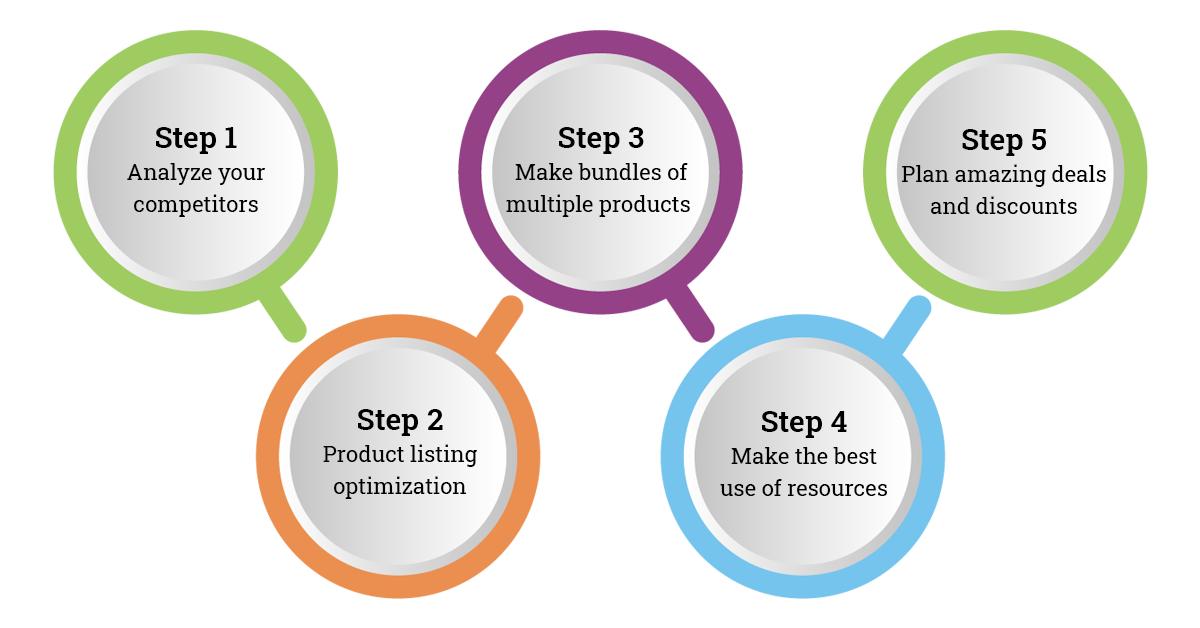
Preparing for Amazon Prime Day involves more than just waiting for the deals to drop. It requires strategic research and planning to ensure you snag the products you want at the best prices. This proactive approach maximizes your savings and minimizes impulse purchases.
Identifying Desired Products Before Prime Day
Knowing what you want before Prime Day begins is crucial for effective deal hunting. This proactive approach allows you to focus your efforts and avoid being overwhelmed by the sheer volume of offers.To identify desired products, consider these methods:
- Browsing Your Needs: Take inventory of what you need or want. Make a list of items you’ve been considering purchasing, such as electronics, household goods, or clothing. This list serves as your starting point.
- Leveraging Past Purchases: Review your past Amazon purchases. This can reveal items you frequently buy or might need to replace. Consider if you’ll need any of these items during the coming months.
- Exploring Wish Lists and Saved Items: Regularly browse your Amazon wish lists and saved items. These sections often contain products you’ve previously shown interest in. Prime Day is an excellent opportunity to finally acquire them.
- Following Trends and Reviews: Stay informed about popular products and those with positive reviews. This can involve reading tech blogs, following social media influencers, or consulting product review websites.
- Considering Seasonal Needs: Think about upcoming seasons or events. Do you need a new air conditioner for summer or holiday gifts? Planning ahead ensures you’re prepared for relevant deals.
Researching Product Reviews and Ratings
Understanding product quality and reliability is paramount before making a purchase. Product reviews and ratings provide valuable insights into a product’s performance, durability, and overall user satisfaction.Here’s how to effectively research product reviews and ratings:
- Utilizing Amazon’s Rating System: Pay close attention to Amazon’s star rating system. Look for products with a high average rating (e.g., 4 stars or higher).
- Reading Customer Reviews: Go beyond the star rating and read customer reviews. Focus on reviews that are detailed, specific, and provide both positive and negative feedback.
- Filtering Reviews: Use Amazon’s filtering options to narrow down reviews. You can filter by star rating, review date, and even s. This helps you find reviews most relevant to your concerns.
- Checking for Verified Purchases: Look for the “Verified Purchase” tag. This indicates that the reviewer actually purchased the product on Amazon, adding credibility to their feedback.
- Considering Reviewer Demographics: Sometimes, understanding the reviewer’s demographics (e.g., age, location) can provide additional context. Consider if their experiences align with your own needs.
- Checking External Review Sites: Don’t rely solely on Amazon reviews. Consult external review websites, such as Consumer Reports or Wirecutter, for more in-depth product evaluations.
Using Amazon’s Wish List and Shopping Cart Features to Prepare for Prime Day
Amazon’s features, such as the wish list and shopping cart, are powerful tools for streamlining your Prime Day shopping experience. They allow you to organize your desired items, track price changes, and prepare for quick checkout.Here’s how to leverage these features:
- Adding Items to Your Wish List: Add potential purchases to your wish list well in advance of Prime Day. This allows you to monitor their prices and quickly access them when deals are live.
- Creating Multiple Wish Lists: Organize your wish lists by category (e.g., electronics, home goods, gifts). This makes it easier to manage and navigate your desired products.
- Monitoring Price Changes: Amazon’s wish list feature doesn’t always track price changes, so you might need to use third-party tools (mentioned in the “Pre-Prime Day Preparation” section) to monitor price fluctuations.
- Adding Items to Your Shopping Cart: While not all items will have deals, adding products to your cart allows you to be ready to purchase instantly. Be mindful of stock levels, particularly on popular items.
- Checking for Availability: Verify the availability of items in your shopping cart before Prime Day. This can help you avoid disappointment if an item goes out of stock quickly.
- Using “Save for Later”: If you’re unsure about purchasing an item, use the “Save for Later” option. This removes the item from your cart but keeps it saved for future consideration.
Comparing Prices Across Different Retailers
Comparing prices across different retailers is a crucial step in ensuring you secure the best possible deal. Amazon Prime Day deals can be enticing, but it’s important to verify if other retailers offer similar or even better prices.Here’s how to compare prices effectively:
- Identifying Competitors: Determine which retailers sell the products you’re interested in. This might include big-box stores (e.g., Walmart, Target), online retailers (e.g., Best Buy, Newegg), and the manufacturer’s website.
- Using Price Comparison Tools: Utilize price comparison websites and browser extensions. These tools automatically compare prices across multiple retailers, saving you time and effort.
- Checking for Sales and Promotions: Be aware that competitors often run their own sales and promotions during Prime Day. Check their websites and sign up for email newsletters to stay informed.
- Considering Shipping Costs: Factor in shipping costs when comparing prices. Some retailers offer free shipping, while others charge fees.
- Evaluating Return Policies: Compare return policies. A flexible return policy can be beneficial if you’re unsure about a product.
- Checking for Bundle Deals: Look for bundle deals, where you can get multiple items for a discounted price. These can offer significant savings.
- Example: If Amazon is offering a laptop for $800 on Prime Day, check Best Buy, which might have a similar model on sale for $750. Factoring in shipping and return policies, the Best Buy deal might be the better option.
Maximizing Savings
Prime Day is all about snagging the best deals, but knowing how to maximize your savings can make a huge difference. This section focuses on the practical strategies and techniques you can use to ensure you get the most value for your money during this shopping extravaganza. From coupons to credit card rewards and navigating Lightning Deals, we’ll equip you with the knowledge you need to become a savvy Prime Day shopper.
Amazon Coupons and Promotions
Amazon frequently offers coupons and promotional discounts that can significantly reduce the price of items. These are often hidden in plain sight, so knowing how to find and use them is key.To effectively utilize Amazon coupons:
- Locate the Coupon Section: Navigate to the “Today’s Deals” or “Coupons” section on Amazon. This is your primary hub for discovering available coupons. You can often find a “Coupons” link in the top navigation bar or under the “Deals & Savings” menu.
- Browse and Filter: Browse through the available coupons, filtering by category, brand, or product type to find deals relevant to your shopping list.
- Clip the Coupon: Click the “Clip Coupon” button next to the offer. The coupon is now applied to your account.
- Shop and Add to Cart: Add the eligible items to your cart. The discount will automatically be applied at checkout. Ensure the coupon is applied before completing your purchase.
- Check Coupon Expiration: Pay attention to the expiration dates. Coupons are time-sensitive and may expire before you make your purchase.
Example: Imagine you’re buying a new coffee maker. You browse the “Coupons” section and find a 20% off coupon for a specific brand. By clipping the coupon before adding the coffee maker to your cart, you instantly save money at checkout.
Amazon Credit Cards and Cashback Offers
Using the right payment method can provide extra savings. Amazon credit cards and other cashback offers can significantly boost your overall discounts.The benefits of using Amazon credit cards or other cashback offers include:
- Amazon Prime Rewards Visa Signature Card: Offers a percentage back on Amazon purchases, plus rewards on dining, gas, and other purchases. This can translate into significant savings, especially if you are a frequent Amazon shopper.
- Amazon Store Card: Offers special financing options and rewards on Amazon purchases. This can be a good option if you are planning a large purchase.
- Cashback Credit Cards: Even if you don’t have an Amazon-branded card, consider using a cashback credit card. Many cards offer a percentage back on all purchases, including those made on Amazon.
- Comparing Offers: Compare the rewards and benefits of different credit cards to find the best fit for your spending habits. Look at annual fees, interest rates, and rewards programs.
Example: You use your Amazon Prime Rewards Visa Signature Card and earn 5% back on an $100 purchase, earning you $5 back. Over the course of the year, these rewards can add up.
Amazon’s Email Newsletters and Push Notifications
Subscribing to Amazon’s email newsletters and push notifications can provide you with advance notice of deals and ensure you don’t miss out on time-sensitive offers.The advantages of subscribing to Amazon’s email newsletters and push notifications are:
- Early Access to Deals: Receive early access to select Prime Day deals, sometimes before they are available to the general public.
- Personalized Recommendations: Get tailored deal recommendations based on your browsing history and purchase patterns.
- Deal Alerts: Receive notifications when deals on items you’ve saved or are interested in go live.
- Flash Sales and Limited-Time Offers: Stay informed about flash sales and other limited-time promotions that require quick action.
- Exclusive Coupons and Promotions: Get access to exclusive coupons and promotional codes sent directly to your inbox or via push notifications.
Example: You subscribe to Amazon’s email list and receive a notification about a Lightning Deal on a product you’ve been eyeing. You are able to purchase the item before it sells out.
Utilizing Lightning Deals Effectively
Lightning Deals are time-sensitive, limited-quantity offers. Success in snagging these deals requires speed and strategic planning.Here’s how to effectively utilize Lightning Deals:
- Monitor the Deals: Regularly check the “Today’s Deals” section for upcoming Lightning Deals. You can usually see the start time, the percentage claimed, and the remaining time for each deal.
- Set Reminders: Amazon allows you to set reminders for Lightning Deals. This is crucial, as deals often go live at specific times and sell out quickly.
- Act Fast: When the deal goes live, add the item to your cart immediately. You’ll have a limited time to complete your purchase.
- Consider the Waitlist: If the deal is fully claimed, join the waitlist. People may drop their items from their carts, giving you a chance to purchase.
- Have Payment and Shipping Information Ready: Ensure your payment and shipping information is up-to-date in your Amazon account to expedite the checkout process.
Example: A Lightning Deal on a popular gaming console is scheduled to go live at 3:00 PM. You set a reminder, and at 3:00 PM sharp, you add the console to your cart and check out. You successfully secured the deal before it sold out.
Navigating Prime Day

Prime Day is a whirlwind of deals, and staying organized is key to maximizing your savings and avoiding buyer’s remorse. This section provides actionable tactics to help you navigate the day-of frenzy, ensuring a smooth and successful shopping experience. We’ll cover strategies for staying organized, avoiding impulse buys, and tracking deals effectively.
Staying Organized During Prime Day
A well-organized approach is essential for Prime Day success. With countless deals appearing throughout the day, having a plan in place will prevent you from feeling overwhelmed and making rushed decisions.
- Create a Shopping Schedule: Before Prime Day, identify the specific times deals on your desired items are likely to drop. Amazon often releases deals in waves, so knowing when to check can be crucial. For instance, based on previous Prime Days, electronics deals often appear early in the day, while fashion items may be featured later.
- Utilize the Amazon App’s Watchlist Feature: Add desired items to your watchlist well in advance. The app will notify you when deals go live, saving you time and effort.
- Set Up Deal Alerts: Use deal tracking websites or browser extensions that send notifications when deals on your selected items appear. These tools can give you a crucial edge, as some deals are very short-lived.
- Organize Your Browsing Tabs: Open separate tabs for different product categories or deal types. This helps you stay focused and quickly switch between items.
- Prepare a Dedicated Shopping Area: If you’re shopping on a computer, ensure your workspace is clean and free of distractions. This will help you concentrate on finding and evaluating deals.
Avoiding Impulse Purchases
The excitement of Prime Day can lead to impulsive buying. Implementing strategies to curb impulse purchases is vital for staying within budget and avoiding unnecessary spending.
- Stick to Your Pre-Planned List: Refer to your research and shopping list created during the pre-Prime Day preparation phase. Only deviate from this list if a deal is exceptionally good and aligns with your needs.
- Set a Budget and Track Spending: Before Prime Day, determine a clear budget and track your spending throughout the day. This can be done manually or with budgeting apps.
- Take a Pause Before Purchasing: Before adding an item to your cart, take a moment to consider if you genuinely need it. Ask yourself if you would buy it at full price.
- Compare Prices: Always compare the Prime Day price with prices from other retailers. Use price comparison tools and websites to ensure you’re getting the best deal.
- Read Reviews: Before making a purchase, read product reviews from multiple sources. This can help you avoid buying low-quality items or products that don’t meet your expectations.
Tracking Deals and Managing Your Shopping Cart
Effectively tracking deals and managing your shopping cart is essential for a smooth and efficient Prime Day shopping experience. This ensures you don’t miss out on deals and can quickly review your purchases.
- Monitor Deal Pages Regularly: Keep an eye on Amazon’s “Deals” page and specific category pages. New deals are added frequently throughout the day.
- Utilize the “Add to Cart” and “Save for Later” Features: Use “Add to Cart” for items you intend to buy immediately and “Save for Later” for items you are still considering. This helps you keep track of potential purchases.
- Check Your Cart Frequently: Regularly review your shopping cart to ensure you haven’t forgotten anything and to be aware of the total cost.
- Use Price Tracking Tools: Employ price tracking websites or browser extensions to monitor price fluctuations on items you’re interested in. These tools can show you the historical price of an item, helping you determine if the Prime Day deal is a true bargain.
- Review Your Order Before Checkout: Before finalizing your purchase, carefully review your order to ensure you’ve selected the correct items, quantities, and shipping address.
Quick Tips for a Successful Prime Day Shopping Experience
Here’s a bullet-point list of quick tips to summarize the key strategies for a successful Prime Day.
- Create a detailed shopping list.
- Set a realistic budget and stick to it.
- Utilize the Amazon app’s watchlist and deal alerts.
- Compare prices with other retailers.
- Read product reviews before purchasing.
- Take advantage of Prime benefits, such as free shipping and returns.
- Stay organized and focused throughout the day.
- Avoid impulse purchases by pausing before buying.
- Monitor deal pages and check your cart regularly.
- Have fun and enjoy the deals!
Dealing with Potential Issues
Amazon Prime Day, while offering fantastic deals, can sometimes come with hiccups. Understanding how to navigate potential issues, from returns to refunds, is crucial for a smooth shopping experience. This section equips you with the knowledge to handle any problems that may arise during or after your Prime Day purchases.
Amazon’s Return Policy
Amazon’s return policy is generally customer-friendly, but understanding its specifics is essential. Most items are eligible for return within 30 days of receipt.
Here’s what you need to know:
- Return Window: Most items have a 30-day return window, starting from the date of delivery. However, this can vary depending on the product category. Check the specific item’s return policy on the product page.
- Eligibility: Items must be returned in their original condition. This typically means unused, undamaged, and with all original packaging and accessories.
- Exceptions: Some items have different return policies. For example, electronics may have a shorter return window, and certain items, like hazardous materials, may not be returnable at all. Always check the product page for specific details.
- Return Shipping: In many cases, Amazon provides a prepaid return label. However, the customer might be responsible for return shipping costs in certain situations, such as if the item was damaged due to customer misuse.
Steps to Take if You Encounter Issues with Your Order
If you receive a damaged, defective, or incorrect item, or if you simply change your mind, here’s a step-by-step guide to resolving the issue.
- Review the Order Details: Before contacting Amazon, review your order details in your account to verify the item, quantity, and delivery date.
- Check the Product Page: The product page often contains troubleshooting tips or contact information for the seller.
- Initiate a Return or Replacement: Log into your Amazon account and go to “Your Orders.” Locate the order and select “Return or Replace Items.” Follow the on-screen instructions, which will guide you through the process, including selecting the reason for the return and printing a return label if needed.
- Contact the Seller (if applicable): For items sold by third-party sellers, you may be able to contact the seller directly through your Amazon account to resolve the issue.
- Document Everything: Keep records of all communication with Amazon or the seller, including dates, times, and any reference numbers. Take photos of damaged items or packaging. This documentation will be helpful if you need to escalate the issue.
How to Contact Amazon Customer Service
Amazon provides several ways to contact customer service for assistance.
Here are the primary methods:
- Online Chat: The quickest way to get help is often through Amazon’s online chat feature. You can typically find this option within your order details or the “Help” section of the website.
- Phone: Amazon offers phone support. You can request a call back through the “Help” section.
- Email: You can also contact Amazon via email, usually through the “Help” section, where you can submit a form detailing your issue.
Requesting a Refund Process:
- Initiate the Return: Follow the steps Artikeld in the “Steps to Take if You Encounter Issues with Your Order” section. Select the appropriate reason for the return (e.g., “Defective,” “Damaged,” “Wrong item”).
- Choose Your Refund Method: During the return process, you’ll typically be given options for how you want to receive your refund. This often includes:
- Original Payment Method: The refund will be credited back to the original payment method used for the purchase. This is the most common option.
- Amazon Gift Card: You can choose to receive the refund as an Amazon Gift Card, which can be used for future purchases.
- Return the Item: Package the item securely, following the return instructions provided. Affix the prepaid return label (if provided) and ship the item.
- Track Your Return: Monitor the tracking information to confirm that Amazon has received the returned item.
- Refund Processing: Once Amazon receives the item and confirms its condition, the refund will be processed. The timeframe for processing refunds varies depending on the payment method, but it usually takes a few days. You will be notified by email when the refund is processed.
Post-Prime Day Actions: After the Deals are Done
Prime Day’s whirlwind of deals and discounts can leave you with a collection of new purchases and a slightly lighter wallet. Taking a few post-Prime Day steps is crucial to ensure you’re happy with your buys, haven’t overspent, and are prepared for the next shopping event. This phase is all about reflection, organization, and course correction.
Reviewing Purchases and Tracking Spending
After the excitement of Prime Day fades, it’s time to take stock of your purchases and your spending. This involves going through your order history, comparing it to your budget, and identifying any potential overspending. This is not just about seeing what you bought, but also understanding
how* you bought it and if it aligns with your initial goals.
- Accessing Your Order History: Amazon makes it easy to review your purchases. Go to “Orders” in your account. You can filter by date range (e.g., the Prime Day period) to isolate those specific transactions.
- Analyzing Each Purchase: For each item, review the price you paid, the original price (if available), and any shipping costs. Determine if the discount was significant enough to justify the purchase. Consider the item’s utility and whether you truly needed it.
- Tracking Your Spending: Use a budgeting app, spreadsheet, or simply a notebook to record your total Prime Day spending. Compare this figure to the budget you set before the event.
- Categorizing Purchases: Group your purchases by category (e.g., electronics, clothing, home goods). This helps you see where your money went and identify areas where you may have overspent.
- Using Amazon’s Tools: Amazon’s “Order Summary” and “Spending Insights” (if available in your region) can provide a quick overview of your spending habits.
Assessing the Worth of Your Deals
Did you truly get a good deal? Evaluating the value of your Prime Day purchases is essential to avoid buyer’s remorse and learn for future shopping events. This process involves comparing prices, considering product reviews, and assessing the long-term value of each item.
- Comparing Prices: Use price comparison websites or browser extensions (like CamelCamelCamel or Honey) to check if the Prime Day price was truly the lowest. Did the price drop significantly during Prime Day? Was it a good discount compared to the average price?
- Checking Product Reviews: Before Prime Day, you might have researched products. Now, after purchase, read reviews again, especially from verified purchasers. Are you satisfied with the product’s quality and performance? Do the reviews reflect the item’s description?
- Considering Long-Term Value: Will the item be useful in the long run? Does it offer good value for its price, considering its durability, features, and potential for use? Consider if the item will become obsolete quickly or if its features are truly beneficial.
- Calculating the “Cost Per Use”: For items you plan to use frequently, estimate the cost per use. This can help you determine if the purchase was worthwhile. For example, if you bought a kitchen appliance for $100 and use it 50 times a year, the cost per use is $2.
- Returning Unwanted Items: If an item doesn’t meet your expectations or is cheaper elsewhere, don’t hesitate to return it. Amazon’s return policy is usually generous, giving you the chance to recover your money.
Unsubscribing from Unwanted Emails and Notifications
Prime Day often results in a surge of marketing emails and push notifications. After the event, it’s important to regain control of your inbox and reduce distractions. This ensures you’re not bombarded with irrelevant offers and can focus on the information that matters to you.
- Unsubscribing from Emails: Go through your inbox and unsubscribe from promotional emails you no longer want. Look for the “unsubscribe” link, usually found at the bottom of the email.
- Managing Amazon Notifications: In your Amazon account settings, adjust your notification preferences. You can control what types of emails and push notifications you receive.
- Using Email Filters: Set up filters in your email client (Gmail, Outlook, etc.) to automatically sort promotional emails into a separate folder or delete them.
- Checking for Third-Party Subscriptions: Be mindful of any third-party subscriptions you may have signed up for during Prime Day, such as free trials or promotional offers. Cancel any subscriptions you no longer want.
- Reviewing Social Media Notifications: Unfollow or mute accounts on social media that are overly promotional or no longer relevant to your interests.
Post-Prime Day Checklist for Satisfaction
Following these steps ensures you’re satisfied with your purchases and ready for the next shopping event.
- Review Your Order History: Go through your Amazon order history, ensuring all items were delivered and are in good condition.
- Check Your Bank Statements: Verify that all charges are accurate and match your spending records.
- Return Unwanted Items: Initiate returns for any items that don’t meet your expectations or are no longer needed.
- Update Your Budget: Adjust your budget based on your Prime Day spending.
- Assess Your Deal-Hunting Strategy: Reflect on what worked and what didn’t. Did you find the deals you wanted? Were you prepared?
- Plan for Future Shopping Events: Use the lessons learned from Prime Day to improve your strategy for future sales, such as Black Friday or Cyber Monday.
- Review and Update Wish Lists: Refresh any wish lists you have created or used during the Prime Day period. This allows you to stay informed about prices and future deals.
Last Point
In summary, preparing for Amazon Prime Day is a strategic process that involves understanding the event, leveraging your Prime membership, planning your purchases, and executing your shopping strategy with precision. By following the tips and techniques Artikeld in this guide, you can confidently navigate Prime Day, find incredible deals, and enjoy significant savings. Remember to stay organized, do your research, and always prioritize your needs over impulse buys.
Happy shopping!